

This blog explains how to develop good dressing style through fit color and context It guides building personal style wardrobe essentials and occasion based dressing plus habits common mistakes and confidence boosting everyday fashion improvements
You don’t need a designer wardrobe or a famous stylist to look put-together. The truth is, good dressing style comes down to a handful of principles you can learn, practice, and make your own. Once you understand how clothes fit, how colors work together, and how to dress for the moment, getting dressed stops feeling like a daily struggle and starts feeling effortless.
Maybe you’ve stood in front of a packed closet thinking you have nothing to wear. Or perhaps you admire how some people always look sharp while you feel like you’re guessing. The good news is that dressing well is a skill, not a talent you’re born with. Anyone can develop it.
In this guide, you’ll learn what good dressing style actually means, how to build a personal style that feels like you, and how to dress well for any occasion. We’ll cover wardrobe essentials, practical fashion style tips, common mistakes to avoid, and a simple framework to anchor your choices. Here’s your roadmap:
- What good dressing style really means
- How to discover and build your personal style
- Wardrobe essentials worth owning
- How to dress well for different occasions
- Common style mistakes and how to fix them
- Everyday styling habits that build confidence
Let’s get into it.
What Does Good Dressing Style Really Mean?
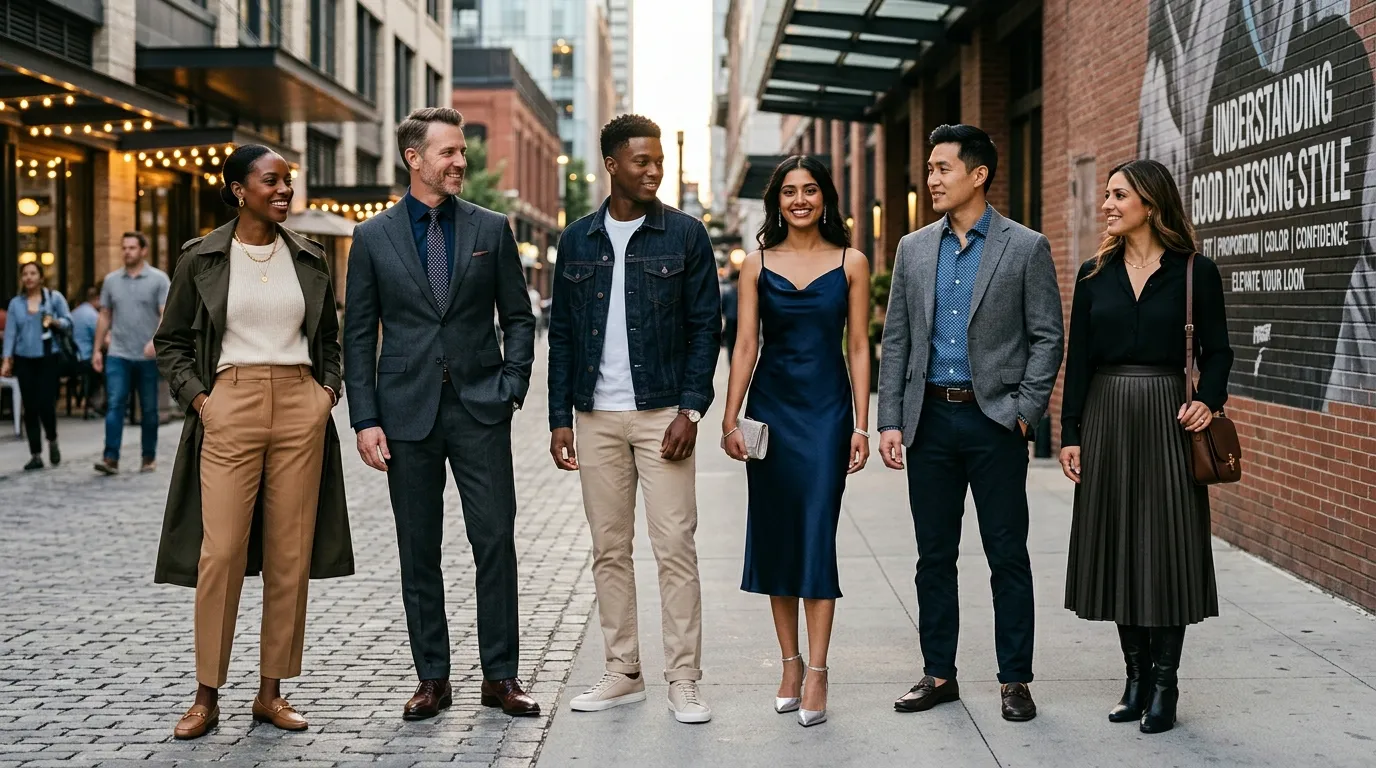
Good dressing style isn’t about chasing every trend or spending a fortune. It’s about wearing clothes that fit well, suit your body and personality, and match the situation you’re dressing for. When those three things line up, you look intentional rather than thrown-together.
Style and fashion are not the same thing. Fashion changes season to season, driven by designers and trends. Style is personal and lasting. It reflects who you are, what you value, and how you want to show up in the world. You can ignore most trends entirely and still have excellent style.
At its heart, good dressing style is about looking like the best version of yourself. It signals self-respect and attention to detail. People notice it, often without being able to say why. That quiet impression is the real power of dressing well.
Style Versus Fashion: Why the Difference Matters
Fashion is what’s being sold to you right now. Style is what you choose to keep. Understanding this distinction frees you from the pressure to constantly buy new things or copy whatever’s trending online.
A person with strong personal style can walk into any room and look right, regardless of the current trends. They’ve figured out what works for them and stick to it, adding new pieces selectively. That consistency is what makes style feel reliable and authentic.
When you stop trying to follow fashion and start building style, getting dressed becomes simpler. You buy less, wear more, and feel more confident in everything you own.
The Three Pillars of Dressing Well
Almost every well-dressed person, whether they realize it or not, relies on three core elements. Master these and you’ve mastered the foundation of good dressing style.
- Fit: Clothes that follow your body’s lines without pulling, bunching, or drowning you.
- Color: Shades that flatter your skin tone and combine in harmonious ways.
- Context: Outfits that match the occasion, setting, and message you want to send.
Everything else—patterns, accessories, layering, trends—builds on top of these three pillars. If a piece fails on fit, color, or context, no amount of styling will save it.
Why Fit Beats Everything Else
If you take away just one idea from this entire guide, make it this: fit matters more than brand, price, or trend. A modest shirt that fits perfectly will always look better than an expensive one that doesn’t.
Poor fit is the single most common reason outfits fall flat. Sleeves that hang too long, shoulders that droop, or trousers that pool at the ankle make even quality clothing look sloppy. A tailor can transform pieces you already own for a fraction of the cost of buying new.
When clothes fit well, your whole silhouette looks cleaner and more deliberate. This is the fastest, most reliable upgrade you can make to how you dress.
How to Build Your Personal Style
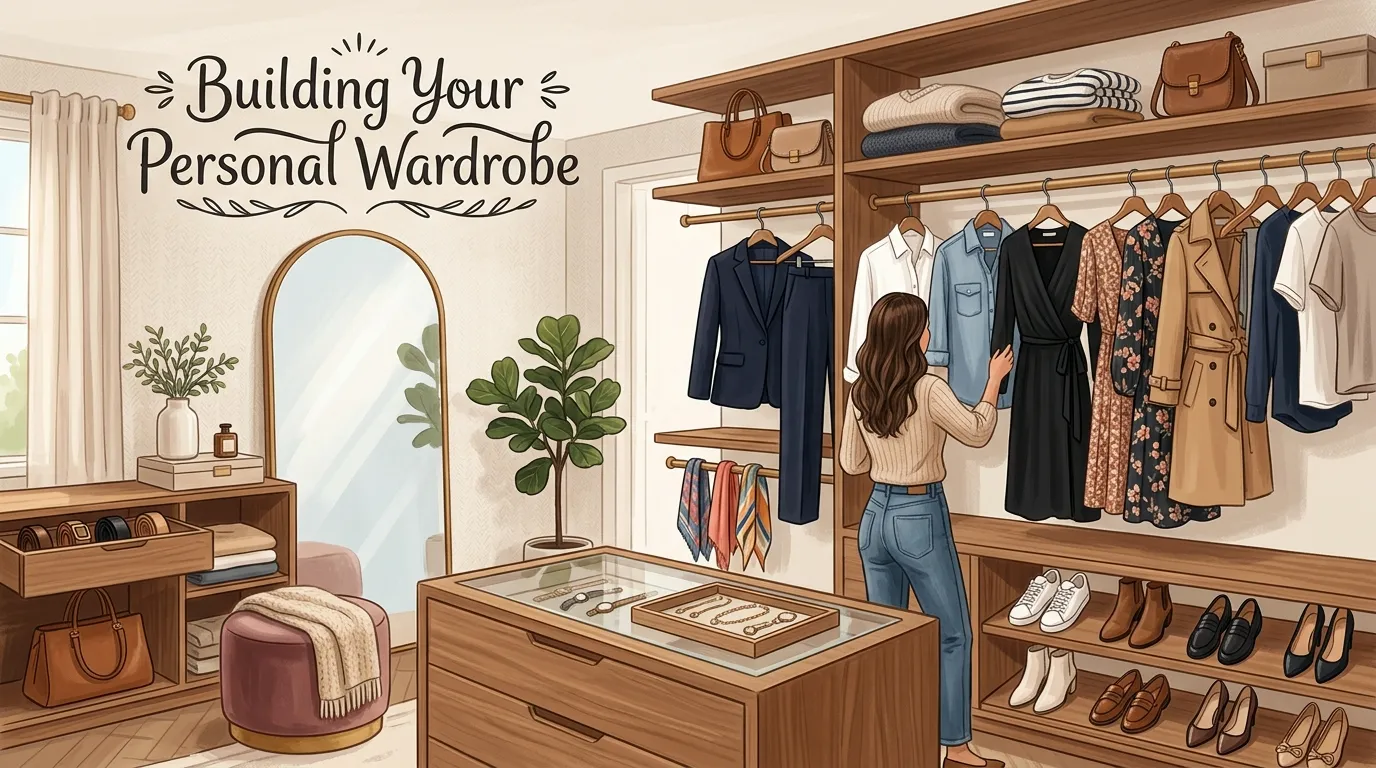
Your personal style should feel like a natural extension of who you are. It’s not something you copy wholesale from someone else. Instead, you gather inspiration, test ideas, and gradually refine a look that fits your life, your body, and your taste.
Building style takes a little patience. You won’t nail it overnight, and that’s perfectly normal. The process itself is enjoyable once you stop pressuring yourself to be perfect immediately.
Step 1: Gather Inspiration Intentionally
Start by collecting images of outfits and people whose style you admire. Save photos from social media, magazines, films, or simply people you notice in daily life. Don’t overthink it—just capture what catches your eye.
After a couple of weeks, look back through your collection. You’ll spot patterns: certain colors, silhouettes, or vibes that keep appearing. These recurring themes point toward your natural preferences and form the seed of your personal style.
This exercise turns vague admiration into concrete direction. Instead of guessing what you like, you’ll have visual proof of the looks that genuinely appeal to you.
Step 2: Understand Your Body and Proportions
Dressing well means working with your body, not against it. Every body type has cuts and silhouettes that flatter it most. Learning yours helps you choose clothes that highlight your strengths and create balance.
You don’t need to obsess over rules here. The goal is simply to notice what makes you feel and look your best. Maybe certain trouser cuts elongate your legs, or particular necklines suit your frame. Pay attention to these wins and repeat them.
Practical Ways to Learn What Suits You
Figuring out your best looks comes down to observation and a little experimentation. Try these approaches:
- Try on widely: Experiment with different cuts in stores, even styles you assume won’t work.
- Take mirror photos: Photos reveal how an outfit truly reads, which mirrors sometimes hide.
- Note your favorites: When you feel great in something, identify exactly why it works.
- Ask honest friends: Trusted opinions can spot patterns you miss in yourself.
Over time, this builds an instinct for what flatters you, making shopping and dressing far easier.
Step 3: Define Your Style Words
Pick three or four words that describe the style you’re aiming for. Words like “classic,” “relaxed,” “polished,” “edgy,” or “minimal” act as a filter for every clothing decision you make.
When you’re shopping or planning an outfit, ask whether a piece fits your style words. If it doesn’t, leave it behind. This simple test keeps your wardrobe coherent and prevents impulse buys that never get worn.
Your style words can evolve as you do. The point is to give yourself clear direction so your choices add up to a recognizable, consistent look rather than a random pile of clothes.
Step 4: Build Slowly and Edit Often
Great personal style develops over time, not in a single shopping spree. Add pieces thoughtfully, choosing quality and versatility over quantity. A smaller wardrobe of items you love beats a closet stuffed with regrets.
Edit regularly too. Every few months, review your clothes and remove anything that doesn’t fit, flatter, or feel like you. A streamlined closet makes getting dressed faster and keeps your style focused.
Wardrobe Essentials Worth Owning
A strong wardrobe starts with reliable basics. These are the versatile pieces that mix and match easily, anchor countless outfits, and rarely go out of style. Investing in good essentials is one of the smartest fashion style tips you can follow.
Think of essentials as the foundation of your closet. Trendy or statement pieces come and go, but these workhorses earn their place by being endlessly wearable.
Timeless Pieces Everyone Should Consider
While exact needs vary by lifestyle and climate, most well-rounded wardrobes benefit from a core set of dependable items. Here are pieces worth prioritizing:
- Well-fitting jeans: A clean, dark pair dresses up or down with ease.
- Crisp white shirt or top: Endlessly versatile for casual or formal settings.
- A quality jacket or blazer: Instantly elevates almost any outfit.
- Neutral knitwear: Sweaters in versatile colors layer beautifully.
- Comfortable, clean shoes: A few quality pairs cover most occasions.
- A simple coat: A timeless outer layer for cooler weather.
- Plain T-shirts in good fabric: The backbone of relaxed outfits.
Choose these in neutral, adaptable colors so they combine effortlessly. The more your basics work together, the more outfits you can create from fewer pieces.
Quality Over Quantity
Buying fewer, better items pays off in the long run. Quality pieces last longer, look better, and often feel more comfortable. They also save money over time because you replace them less often.
This doesn’t mean everything must be expensive. It means being thoughtful—spending more on the items you wear constantly and less on occasional pieces. Knowing how to dress well includes knowing where to invest and where to economize.
Where to Invest and Where to Save
Smart spending makes your budget go further. Use this rough guide to allocate your money wisely:
- Invest in: Outerwear, shoes, and tailored pieces you wear often and that show wear.
- Save on: Trendy items, basic T-shirts, and pieces you’ll wear only occasionally.
- Always prioritize fit: A cheaper item that fits beats a pricey one that doesn’t.
This balanced approach lets you build a polished wardrobe without overspending.
The Power of a Neutral Color Base
Building your wardrobe around neutral colors—black, white, navy, gray, beige, and brown—makes mixing and matching simple. Almost everything pairs with neutrals, which multiplies your outfit options dramatically.
Once your neutral base is solid, add a few accent colors that suit you. These pops of color keep your look interesting without complicating coordination. A neutral foundation with selective color is a hallmark of effortless, good dressing style.
How to Dress Well for Different Occasions
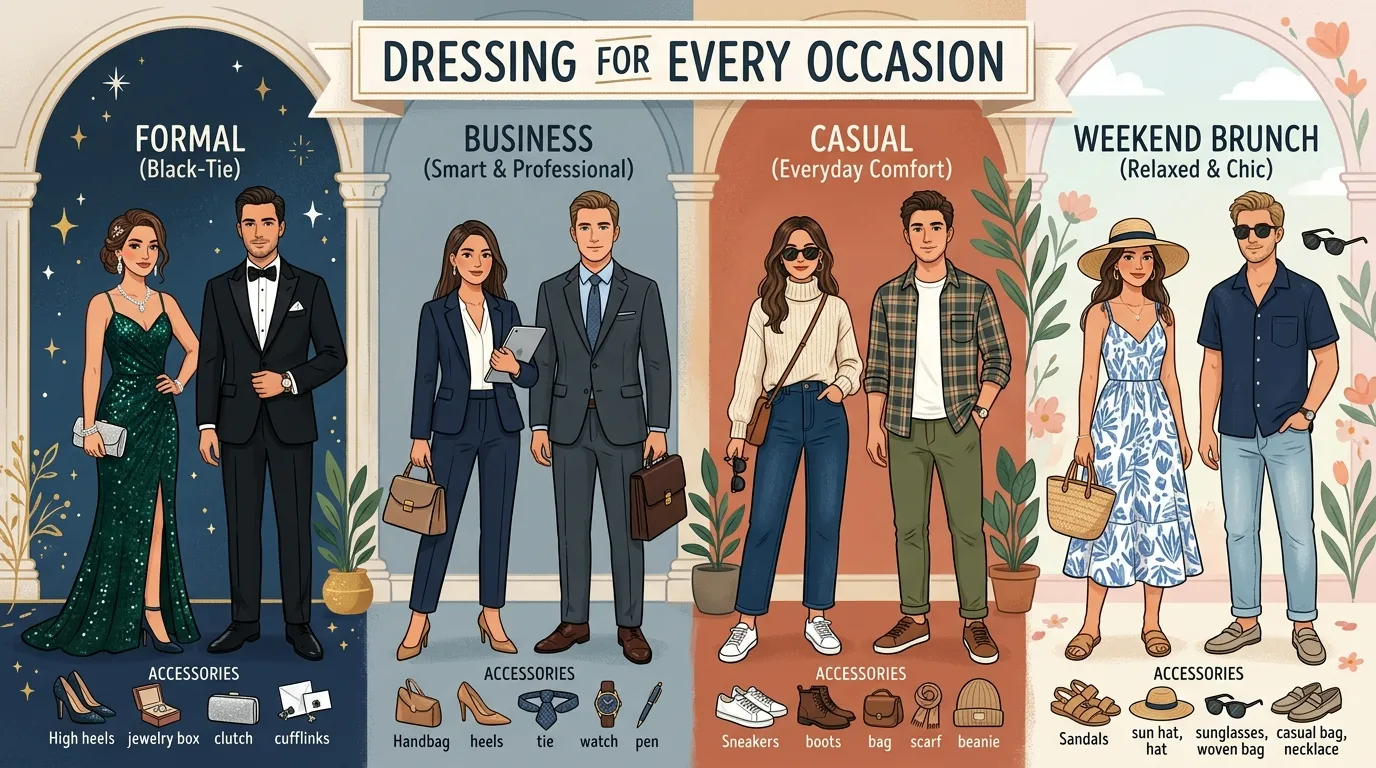
Context is everything. The same outfit that’s perfect for a relaxed weekend would feel wrong at a formal dinner. Knowing how to read a situation and dress appropriately is a core part of good dressing style.
Dressing for the occasion shows respect for the setting and the people around you. It also helps you feel comfortable and confident, because you know you’ve made the right call. Let’s break down the main scenarios.
Casual Everyday Style
Everyday dressing is where most of us spend our time, so it deserves real attention. Casual doesn’t mean careless. The goal is to look relaxed yet intentional, comfortable yet put-together.
Lean on well-fitting jeans or chinos, clean T-shirts or casual shirts, and comfortable shoes in good condition. A simple jacket or overshirt adds polish without effort. The difference between sloppy and sharp casual usually comes down to fit and cleanliness.
Quick Wins for Everyday Outfits
Small adjustments make a big difference in casual looks. Try these:
- Tuck or half-tuck shirts: This small move instantly looks more deliberate.
- Keep shoes clean: Fresh, tidy footwear elevates any casual outfit.
- Add one layer: A jacket or cardigan adds depth and intention.
- Mind the fit: Avoid overly baggy or tight casual pieces.
These simple habits turn basic clothes into a considered, confident everyday style.
Smart Casual Style
Smart casual sits between relaxed and formal, and it trips up a lot of people. The aim is polished but not stuffy—appropriate for dinners, casual offices, and social events where jeans feel too laid-back but a suit feels too much.
Build smart casual looks around pieces like chinos or dark jeans, button-up shirts or fine knitwear, a blazer, and clean leather shoes or smart sneakers. The key is combining relaxed and refined elements so neither dominates.
When in doubt, lean slightly more polished than casual. It’s easier to dress down a sharp outfit than to rescue one that reads as too sloppy for the setting.
Formal and Professional Style
Formal settings demand precision. Whether it’s a job interview, a business meeting, or a formal event, your clothes should look crisp, fit impeccably, and follow the expected dress code closely.
For professional wear, well-fitted suits, tailored trousers, clean dress shirts, and polished shoes form the core. Stick to classic colors and minimal patterns for a timeless, trustworthy impression. Here, attention to detail—pressed fabric, matched colors, clean shoes—makes all the difference.
Formal Dressing Details That Matter
In formal contexts, the small things separate the polished from the average. Watch these details:
- Press your clothes: Wrinkles undermine even the best outfit.
- Match your shoes and belt: Coordinated leather looks intentional.
- Keep accessories minimal: Restraint reads as refined in formal settings.
- Ensure proper fit: Tailoring is non-negotiable for suits and dress shirts.
Nailing these details signals competence and care, which is exactly what formal settings reward.
Occasion-by-Occasion Style Framework
To make dressing for different settings easier, the table below maps common occasions to the right style level, key pieces, and the overall vibe you’re aiming for.
|
Occasion |
Style Level |
Key Pieces |
Overall Vibe |
|---|---|---|---|
|
Weekend errands |
Casual |
Jeans, T-shirt, sneakers, light jacket |
Relaxed but tidy |
|
Casual office |
Smart casual |
Chinos, button-up, knitwear, smart shoes |
Approachable and polished |
|
Dinner or date |
Smart casual |
Dark jeans, shirt, blazer, leather shoes |
Confident and considered |
|
Job interview |
Formal |
Suit or tailored separates, dress shirt |
Professional and sharp |
|
Business meeting |
Business formal |
Suit, polished shoes, minimal accessories |
Competent and trustworthy |
|
Formal event |
Formal |
Suit or formalwear, refined details |
Elegant and intentional |
Use this framework as a starting point, then adjust based on your industry, culture, and personal taste. The goal is always to match your outfit to the moment.
Mastering Color, Pattern, and Proportion
Once fit and basics are handled, color, pattern, and proportion take your style to the next level. These elements separate someone who simply dresses neatly from someone with genuinely good dressing style.
You don’t need formal training to use them well. A few guiding principles will carry you a long way and help your outfits look cohesive and intentional.
Building Color Confidence
Color can feel intimidating, but a simple approach removes the guesswork. Start with a neutral base, then introduce color gradually as you grow comfortable. This keeps your outfits balanced while letting your personality show.
Pay attention to which colors flatter your skin tone. Some shades make you look vibrant and healthy, while others wash you out. Holding fabrics up to your face in good light quickly reveals what works for you.
Simple Color Combination Rules
Coordinating colors becomes easy with a few reliable guidelines:
- Stick to neutrals plus one color: A safe, sharp formula for most outfits.
- Match undertones: Pair warm with warm and cool with cool for harmony.
- Use the 60-30-10 idea: A dominant color, a secondary, and a small accent.
- When unsure, go monochrome: Tones of one color always look intentional.
These rules give you confidence to experiment without fear of clashing.
Using Patterns Without Overwhelm
Patterns add interest, but they require a light touch. Start with subtle, smaller patterns before attempting bold ones. A single patterned piece in an outfit is usually plenty.
When mixing patterns, vary their scale—pair a large pattern with a small one—and keep them within a related color family. This prevents competition and keeps the look harmonious. If pattern mixing feels risky, simply pair one pattern with solids.
Understanding Proportion and Balance
Proportion is about how the pieces of your outfit relate in volume and length. Balanced proportions create a clean, flattering silhouette, while mismatched ones can look off even when individual pieces fit well.
A common approach is balancing fitted and relaxed pieces. If your top is loose, pair it with slimmer bottoms, and vice versa. This contrast keeps your shape defined and your outfit looking deliberate. Mastering proportion is one of the more advanced fashion style tips, but even small awareness improves your look.
Common Style Mistakes and How to Fix Them
Even people with good intentions fall into predictable traps. The encouraging news is that most style mistakes are easy to spot and fix once you know what to look for.
Avoiding these errors often improves your appearance faster than buying anything new. Here are the most common pitfalls and their simple solutions.
- Wearing the wrong fit: Clothes too big or too small ruin any look. Fix: Prioritize fit and use a tailor.
- Ignoring grooming: Great clothes can’t overcome messy hair or unkempt details. Fix: Keep grooming consistent and tidy.
- Chasing every trend: Trend-chasing leads to a closet of regrets. Fix: Build timeless basics, add trends sparingly.
- Overcomplicating outfits: Too many colors, patterns, or accessories distract. Fix: Simplify; let one element stand out.
- Neglecting shoe condition: Worn, dirty shoes drag down everything. Fix: Clean and maintain your footwear.
- Dressing for the wrong context: Mismatched formality feels awkward. Fix: Read the setting and dress accordingly.
- Buying without a plan: Random purchases rarely combine well. Fix: Shop with your style words and wardrobe gaps in mind.
Fixing even a couple of these mistakes can dramatically sharpen your overall appearance. Often, knowing how to dress well is as much about what you stop doing as what you start.
Everyday Styling Habits That Build Confidence
Good dressing style isn’t only about the clothes—it’s about the habits that make dressing well feel automatic. These small routines compound over time into effortless polish and genuine confidence.
The most stylish people rarely agonize over outfits. They’ve built systems and habits that make looking good the default rather than a daily challenge.
Plan Outfits in Advance
Deciding what to wear the night before removes morning stress and prevents rushed, mismatched choices. Even a quick mental plan helps you start the day looking intentional.
For busy weeks, planning several outfits at once saves time and mental energy. You’ll never scramble or settle for something that doesn’t represent you. This habit alone noticeably improves how consistently well you dress.
Care for Your Clothes Properly
Clothes look their best when you maintain them. Wash garments correctly, store them properly, and address small repairs quickly. Well-cared-for clothing simply looks more polished and lasts far longer.
Keep a small kit for quick fixes—a lint roller, spare buttons, and a fabric shaver work wonders. These tiny efforts protect your investment and keep your wardrobe looking sharp day after day.
Prioritize Grooming and Details
Your clothes are only part of the picture. Tidy hair, clean nails, and overall grooming complete your look and amplify the effect of any outfit. Neglecting these undermines even the best clothing.
Pay attention to finishing touches too: a well-chosen accessory, a neatly folded sleeve, a coordinated belt and shoes. These small details signal care and elevate your entire appearance.
Dress for Yourself First
Ultimately, the best reason to dress well is how it makes you feel. When you wear clothes you love that fit and flatter you, your confidence rises naturally. That self-assurance shows in your posture, energy, and presence.
Don’t dress solely to impress others. Dress in a way that makes you feel like the best version of yourself. That genuine confidence is the most attractive thing you can wear, and it’s the real reward of developing your personal style.
Further Reading and Resources
If you want to go deeper on the everyday principles behind dressing well, the resource below offers a clear, practical perspective.
Want a simple framework to dress better every day?
Explore three core principles for everyday style here:
https://prisma.watch/how-to-dress-better-everyday-3-principles-to-dress-better/
Pairing this kind of focused reading with the fundamentals in this guide gives you a strong foundation for building a style that lasts.
Bringing It All Together
Good dressing style is within reach for anyone willing to learn a few principles and practice them. It’s not about money, trends, or natural talent—it’s about fit, color, context, and a wardrobe that reflects who you are.
Here’s a quick recap of the essentials:
- Master the three pillars: Prioritize fit, then color, then context.
- Build personal style intentionally: Gather inspiration, learn your body, and define your style words.
- Invest in versatile basics: A neutral foundation creates endless outfit options.
- Dress for the occasion: Match your look to the setting every time.
- Avoid common mistakes: Fixing errors often beats buying something new.
- Build smart habits: Plan outfits, care for your clothes, and dress for yourself first.
Developing your style is a journey, and it’s meant to be enjoyable. Start small—improve the fit of what you own, clean up your basics, and plan tomorrow’s outfit tonight. Each step builds momentum and confidence.
Your next move is simple: open your closet, identify what fits and flatters, and edit out the rest. The path to good dressing style begins with the clothes you already have.
Frequently Asked Questions
What exactly is good dressing style?
Good dressing style means wearing clothes that fit well, suit your body and personality, and match the occasion. It’s less about following trends and more about looking intentional and put-together. The focus is on fit, color, and context working together. When these align, you look like the best version of yourself effortlessly.
How do I find my personal style?
Start by gathering images of outfits and people whose looks you admire, then study them for recurring patterns. Notice the colors, cuts, and vibes that keep appearing—these point to your natural preferences. Define a few style words to guide your choices. Build your wardrobe slowly, keeping only pieces that feel like you.
Is good dressing style expensive to achieve?
Not at all. Good dressing style depends far more on fit, care, and smart choices than on price. A modest, well-fitted wardrobe always beats expensive clothes that don’t fit. Invest in pieces you wear often, save on occasional items, and use a tailor. Thoughtful spending matters more than a big budget.
Why does fit matter so much in dressing well?
Fit is the single biggest factor in how good your clothes look. Even high-quality, expensive pieces appear sloppy when they don’t fit your body properly. Well-fitting clothes create a clean, intentional silhouette that flatters you. A tailor can transform items you already own, making fit the fastest and most reliable style upgrade available.
How can I learn to combine colors confidently?
Begin with a neutral base of black, white, navy, gray, or beige, then add one accent color at a time. Match undertones by pairing warm with warm and cool with cool. When unsure, try a monochrome look using tones of one color. These simple rules let you experiment without worrying about clashing.
What wardrobe essentials should everyone own?
Most well-rounded wardrobes benefit from well-fitting jeans, a crisp white shirt, a quality jacket or blazer, and neutral knitwear. Add comfortable clean shoes, a simple coat, and good plain T-shirts. Choose these in adaptable, neutral colors so they mix easily. A strong base of versatile basics multiplies your outfit options dramatically.
How do I dress well for different occasions?
The key is reading the setting and matching your formality to it. Casual calls for tidy jeans and clean shoes, while smart casual blends relaxed and refined pieces. Formal settings demand tailored, pressed clothing and attention to detail. When in doubt, lean slightly more polished, since it’s easier to dress down than up.
What are the most common style mistakes to avoid?
The biggest mistakes include wearing the wrong fit, neglecting grooming, and chasing every trend. People also overcomplicate outfits, ignore shoe condition, and dress for the wrong context. Fixing these often improves your look faster than buying anything new. Knowing how to dress well is partly about what you stop doing.
How do I mix patterns without looking overwhelming?
Start with subtle, smaller patterns and limit yourself to one patterned piece per outfit at first. When mixing, vary the scale by pairing a large pattern with a small one. Keep patterns within a related color family to avoid clashing. If pattern mixing feels risky, simply pair one pattern with solid pieces.
Can I have good dressing style without following trends?
Absolutely. Style and fashion are different things—fashion changes constantly, while style is personal and lasting. You can ignore most trends and still look excellent by focusing on fit, quality basics, and looks that suit you. Building timeless personal style frees you from pressure to constantly buy whatever is currently popular.
How important is grooming to overall style?
Grooming is essential and completes your entire look. Even the best outfit falls flat with messy hair, unkempt nails, or poor maintenance. Consistent, tidy grooming amplifies the effect of your clothing and signals care. Pay attention to finishing details too, since they elevate your appearance and reinforce a polished impression.
How can dressing well boost my confidence?
When you wear clothes that fit, flatter, and reflect who you are, you naturally feel more self-assured. That confidence shows in your posture, energy, and presence throughout the day. The goal is to dress for yourself first rather than just to impress others. Genuine confidence is the most attractive thing you can wear.
