
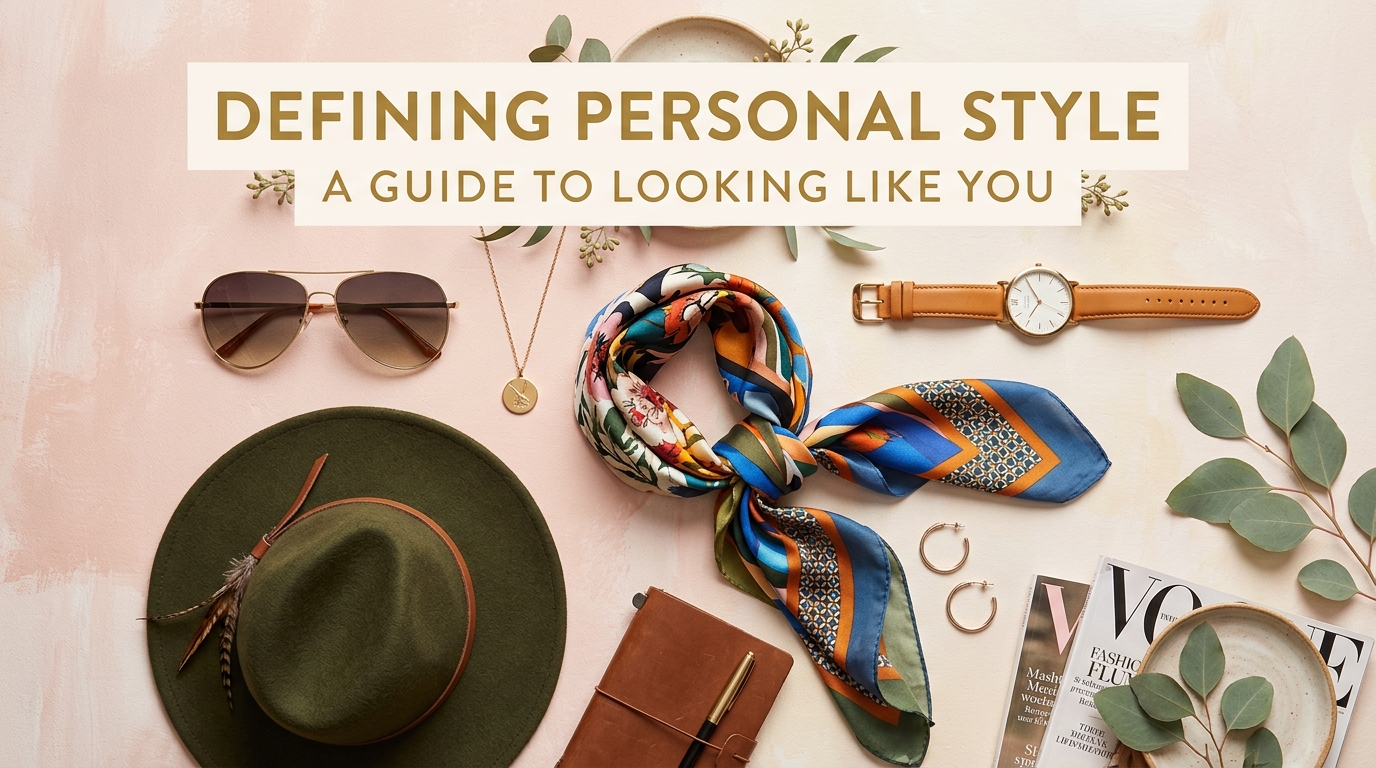
This guide explains how defining personal style helps you build a confident, practical wardrobe that reflects your personality. Learn how to develop your style through mindset shifts, wardrobe audits, inspiration, fit, color choices, and intentional shopping habits.
Most people own plenty of clothes yet still feel like they have “nothing to wear.” The problem usually isn’t the closet. It’s the lack of a clear point of view. Defining personal style fixes that. It turns random shopping into intentional choices and helps you dress in a way that feels both authentic and put-together.
This guide walks you through what personal style really means, why it matters, and how to build it step by step. Here’s what you’ll learn:
- What personal style is and how it differs from trends
- A practical framework for developing personal style from scratch
- Wardrobe examples, mindset shifts, and common mistakes to avoid
- Simple ways to refine and maintain your look over time
Let’s get into it.
What Defining Personal Style Actually Means
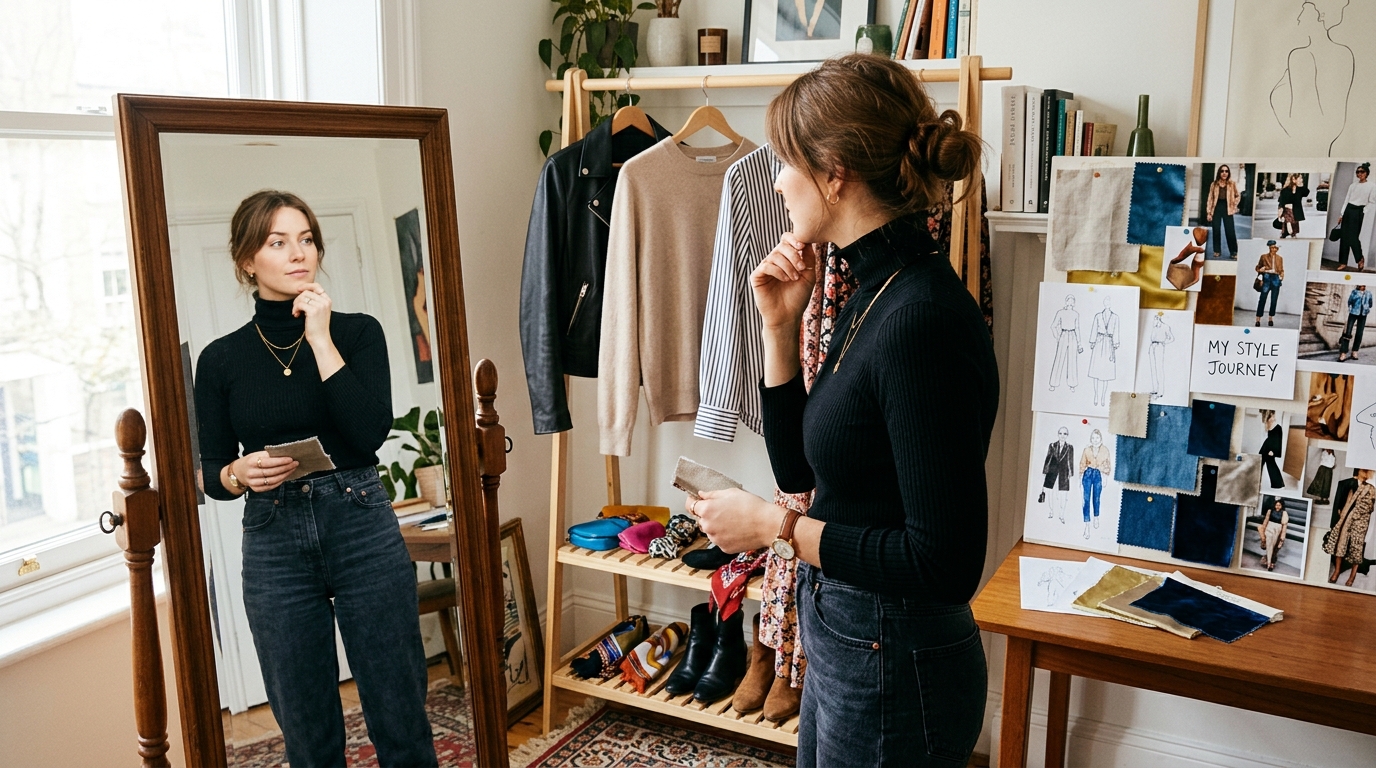
Personal style is the consistent way you express who you are through what you wear. It’s not about owning expensive labels or chasing every new trend. It’s about choosing clothes, colors, and silhouettes that reflect your personality, your life, and how you want to feel.
Think of it as a visual signature. When your friends say, “That’s so you,” they’re recognizing your style. Defining personal style simply means becoming intentional about that signature instead of leaving it to chance.
Style vs. Fashion: The Key Difference
Fashion changes every season. Style stays with you. Fashion is the industry of trends, runways, and “must-have” items. Style is personal and durable.
Here’s a quick way to keep them straight:
- Fashion answers: “What’s popular right now?”
- Style answers: “What feels right for me, again and again?”
You can borrow from fashion without being ruled by it. A person with strong personal style picks trends that fit their look and ignores the rest. That selective approach is exactly how to have a good style without constantly overhauling your wardrobe.
Why Defining Personal Style Matters
A defined style saves time, money, and mental energy. When you know what works, getting dressed becomes faster and decisions become easier. You stop buying impulse pieces that never leave the hanger.
The benefits stack up over time:
- Confidence: You feel comfortable and authentic in your clothes.
- Efficiency: Mornings get simpler with a wardrobe that works together.
- Savings: You buy fewer, better pieces instead of regretful purchases.
- Recognition: People remember a consistent, intentional look.
Knowing how to develop a fashion style isn’t vanity. It’s a practical skill that pays off daily.
The Mindset Behind Developing Personal Style
Before you touch your closet, start with your head. Developing personal style is as much mental as it is visual. The right mindset keeps you from copying others and helps you build something that’s truly yours.
Drop the “Right Way” Myth
There’s no universal rulebook for dressing well. The “rules” you’ve heard, such as never mixing prints or avoiding certain colors, are often outdated. Personal style thrives on exceptions. The goal is to learn what flatters and pleases you, not to follow rigid laws.
Give yourself permission to experiment. Some experiments will flop. That’s part of the process, and it’s how you learn how to get better style over time.
Get Honest About Your Life
Your wardrobe should match your real life, not a fantasy version of it. If you work from home most days, a closet full of formal blazers won’t serve you. If you’re always on the move with kids, comfort and durability matter more than fragile fabrics.
Ask yourself a few honest questions:
- What do I actually do during a typical week?
- Where do I spend most of my time?
- How do I want to feel in those moments?
Aligning clothes with your daily reality is the foundation of how to have fashion style that actually works.
Separate Influence from Imitation
It’s healthy to draw inspiration from people you admire. It’s a trap to copy them outright. A celebrity’s outfit might look amazing on them but feel wrong on you because their body, lifestyle, and personality differ from yours.
Use inspiration as a starting point, then filter it through your own preferences. That filtering process is what makes your style yours. To make your own style, you take ideas and adapt them, rather than wear them whole.
A Step-by-Step Framework for Defining Personal Style
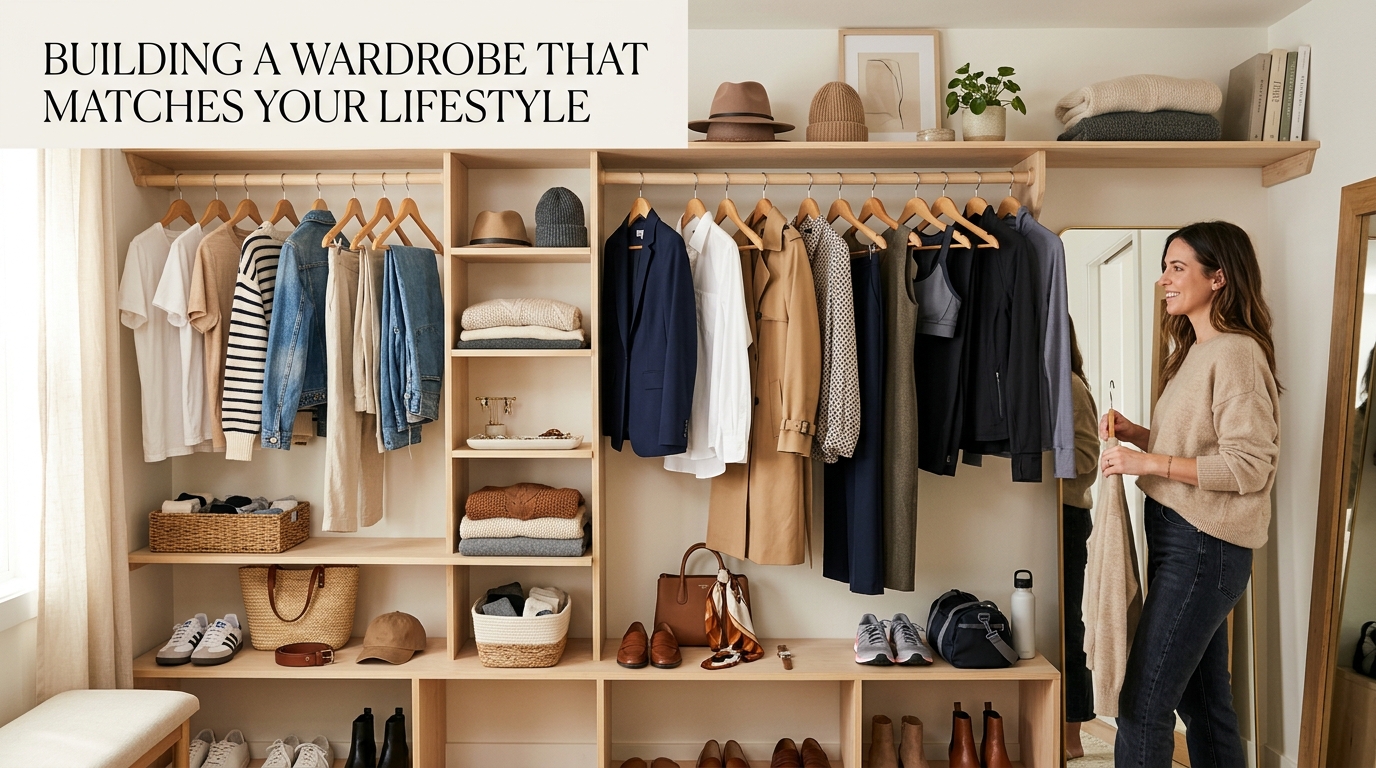
Now let’s get practical. This framework gives you a clear path from confusion to clarity. Work through each step in order, and don’t rush. Building style is a process, not a single shopping trip.
Step 1: Audit Your Current Wardrobe
You can’t move forward without knowing where you stand. Pull everything out and sort it into honest categories. This audit reveals patterns you may not have noticed.
Sort your clothes into these piles:
- Love and wear often: Your current style favorites.
- Like but rarely wear: Pieces that need styling help or pairing.
- Don’t fit or feel wrong: Candidates for donation or selling.
- Sentimental but unworn: Items you keep for memory, not use.
Pay close attention to the “love and wear often” pile. Those pieces hold clues about your natural preferences and are the first step in developing personal style.
Spotting Your Patterns
Look for repeated colors, fabrics, fits, and silhouettes in your favorites. Maybe you reach for soft neutrals, structured shoulders, or relaxed fits again and again. These patterns are your starting blueprint.
Jot down what you notice. This list becomes a reference you can use while shopping and planning future outfits.
Step 2: Build a Style Inspiration File
Collect images that make you stop and think, “I’d wear that.” Use a folder on your phone, a Pinterest board, or screenshots. Don’t overthink it at first. Just save what attracts you.
After gathering 30 to 50 images, review them for common threads. You’ll likely see recurring themes in color, mood, and shape. Those themes point toward your developing aesthetic and help you figure out how to develop your style with direction.
For a deeper dive into translating inspiration into a real-world wardrobe, this resource is worth a look, Use guides like that to spark ideas, then adapt them to your own life and body.
Step 3: Define Your Style Words
Choose three to five words that capture how you want to look and feel. These words act like a compass for every clothing decision. They keep you focused when you shop and prevent off-brand purchases.
Examples of style word sets:
- Classic, polished, understated
- Edgy, bold, modern
- Relaxed, earthy, cozy
- Romantic, soft, feminine
- Minimal, sleek, structured
When you spot an item, ask: “Does this match my words?” If it doesn’t, walk away. This simple test is one of the fastest ways to have a good style consistently.
Step 4: Identify Your Best Colors and Fits
Color and fit do more heavy lifting than any logo. The right colors brighten your complexion, while the right fit flatters your frame. Spend time learning both.
For color, notice which shades make you look healthy and awake. For fit, focus on how clothes sit on your shoulders, waist, and hips. Tailoring inexpensive pieces often beats buying pricey ones that fit poorly.
A Quick Fit Checklist
- Shoulders sit at the edge of your shoulder, not below.
- Hems hit at a flattering point, not a random one.
- Waistlines define your shape without pinching.
- Fabric drapes smoothly without pulling or bunching.
Mastering fit is a quiet but powerful part of how to develop a fashion style that looks expensive on any budget.
Step 5: Build a Versatile Foundation
A strong wardrobe starts with reliable basics that mix and match easily. These foundation pieces let you create many outfits from few items. Add personality on top with accessories and statement pieces.
The table below shows a simple foundation versus personality split to guide your shopping.
|
Wardrobe Layer |
Purpose |
Example Pieces |
How Often to Buy |
|---|---|---|---|
|
Foundation |
Reliable, mixable basics |
Well-fitted jeans, plain tees, neutral knit, tailored trousers |
Rarely; buy quality |
|
Connectors |
Tie outfits together |
Blazer, denim jacket, simple dress, versatile shoes |
Occasionally |
|
Personality |
Express your style words |
Statement coat, bold accessories, printed shirt |
As inspiration strikes |
|
Seasonal |
Weather and trend updates |
Sandals, sweaters, lightweight layers |
Each season, sparingly |
Build the foundation first, then layer in personality. This structure keeps your wardrobe functional while still feeling like you.
Step 6: Test, Wear, and Adjust
Style isn’t theoretical. You learn by wearing. Put together outfits, wear them out, and notice how you feel. Comfort and confidence are reliable signals that you’re on the right track.
Keep a mental or written note of outfits that earned compliments or felt great. Repeat those formulas. Over time, you’ll refine a personal “uniform” of go-to combinations that make getting dressed effortless.
Wardrobe Examples by Style Type
Seeing real combinations helps make abstract advice concrete. Below are sample wardrobes for three common style directions. Use them as inspiration, then adapt to your own taste.
The Classic Minimalist
This look leans on clean lines, neutral colors, and timeless cuts. It’s understated and always appropriate.
- Tailored trousers in navy, black, or beige
- Crisp white button-down shirts
- A fitted neutral knit sweater
- Leather loafers or clean white sneakers
- A structured tote or crossbody bag
The key here is restraint. A few high-quality pieces beat a closet packed with extras. This approach shows how to have a good style without chasing trends.
The Modern Edgy Look
This style uses darker tones, sharp details, and bold accessories. It reads confident and contemporary.
- Black skinny or straight-leg jeans
- A leather or moto-style jacket
- Graphic or monochrome tees
- Chunky boots or statement sneakers
- Silver-toned jewelry or layered chains
Mixing textures, such as leather with knit, adds depth. This direction proves how to develop your style around a strong, recognizable mood.
The Relaxed Earthy Aesthetic
Comfortable, natural, and warm, this style favors soft fabrics and earthy tones. It feels approachable and easy.
- Loose linen shirts and relaxed trousers
- Oversized knit cardigans
- Warm tones like rust, olive, and cream
- Comfortable flat boots or woven sandals
- Natural-material accessories like leather or wood
This look shows how to make your own style around comfort without sacrificing intention. Each piece still serves the bigger picture.
Common Mistakes That Hold You Back
Even motivated people stumble while developing personal style. Knowing the pitfalls helps you avoid them. Here are the most frequent mistakes and how to fix them.
Chasing Every Trend
Buying every trending item leaves you with a closet full of mismatched pieces. Trends fade fast, and a trend-only wardrobe rarely holds together. Instead, adopt trends selectively, only when they match your style words.
The fix is simple: filter trends through your personal compass. If a trend fits your aesthetic, try it. If not, skip it without guilt.
Dressing for the Wrong Life
Buying clothes for a life you don’t lead wastes money and closet space. Gorgeous formalwear gathers dust if your days are casual. Shop for your real routine first, then add a few special-occasion pieces.
This adjustment is one of the most practical lessons in how to have fashion style that works every single day.
Ignoring Fit
Even the best clothes look sloppy when they don’t fit. Many people overlook tailoring, assuming it’s costly or unnecessary. In reality, simple alterations transform an outfit. Hemming pants or taking in a waist makes a huge difference.
Prioritize fit over brand or price. It’s the secret behind looking polished on any budget.
Playing It Too Safe
The opposite mistake is sticking to bland, fearful choices. An all-neutral, shapeless wardrobe can feel boring and forgettable. Adding small doses of color, texture, or a signature accessory injects personality.
You don’t need to go extreme. Even one bold element per outfit can elevate your look and reflect your developing personal style.
When Experiments Don’t Work
Not every trial succeeds, and that’s fine. If an outfit feels off, treat it as data, not failure. Ask what specifically felt wrong: the color, the fit, or the vibe. Adjust and try again. This trial-and-error loop is exactly how to get better style over time.
Refining and Maintaining Your Style
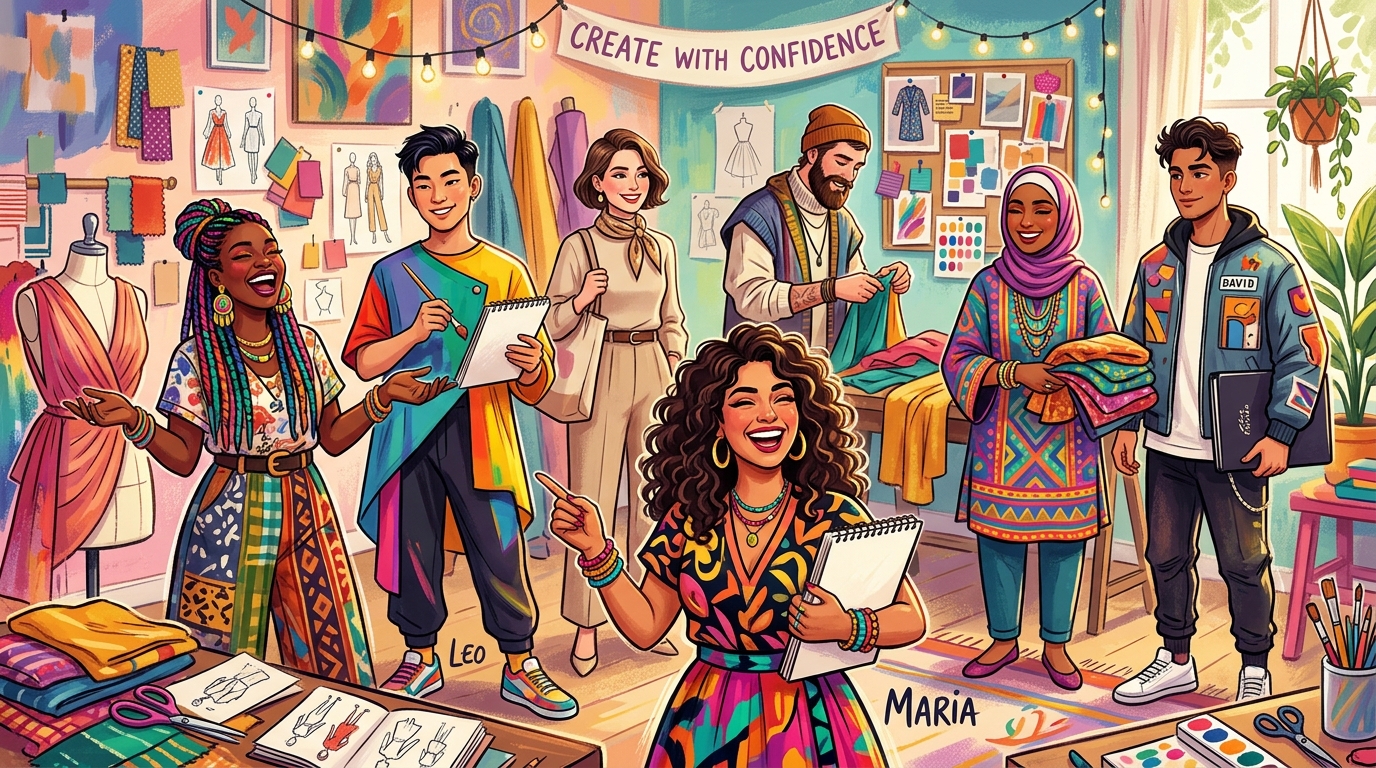
Once you’ve established a direction, the work shifts to refinement. Style evolves as you grow, so treat it as a living thing rather than a finished project.
Seasonal Wardrobe Check-Ins
Twice a year, revisit your closet. Remove pieces you no longer wear and assess gaps. This habit keeps your wardrobe lean and aligned with your current life and taste.
A quick seasonal review prevents clutter and keeps you intentional. It also reminds you of forgotten favorites worth re-styling.
Investing Wisely
As your style settles, shift toward fewer, higher-quality pieces. Well-made foundation items last for years and look better over time. Spend on the things you wear most, and save on trend-driven extras.
This balanced spending approach supports developing personal style sustainably, both for your wallet and the planet.
Letting Your Style Evolve
Your tastes will change, and your wardrobe should follow. The relaxed style you love now might lean more polished in a few years. Allow that growth. A defined style isn’t a cage; it’s a flexible framework.
Revisit your style words occasionally. Update them when they no longer fit. Staying curious is the final ingredient in how to develop a fashion style that lasts a lifetime.
Putting It All Together
Defining personal style is a journey of self-discovery expressed through clothing. It starts with honesty about your life, grows through experimentation, and matures into a confident, recognizable look. The reward is a wardrobe that works for you, day after day.
Remember the core takeaways:
- Style is personal and durable; fashion is temporary.
- Audit your closet to spot your natural preferences.
- Choose style words to guide every decision.
- Prioritize fit and color over labels.
- Build a foundation first, then add personality.
Your next steps are simple. Start with the wardrobe audit this week. Then collect inspiration, pick your style words, and test a few intentional outfits. With each step, you’ll move closer to a look that’s unmistakably yours.
Frequently Asked Questions
How long does defining personal style usually take?
It varies, but most people gain real clarity within a few months of intentional effort. The wardrobe audit and inspiration gathering happen quickly, while refining your look takes ongoing practice. Treat it as a gradual journey rather than an overnight fix. Consistency matters more than speed.
Can I have a good style on a small budget?
Absolutely, and many stylish people do. Good style comes from fit, color, and consistency, not from expensive labels. Focus on well-fitting basics, simple tailoring, and a clear point of view. A thoughtfully curated thrifted wardrobe often looks better than a pricey, random one.
How do I develop a fashion style if I have no idea what I like?
Start by collecting images that catch your eye, without overthinking why. After gathering 30 or more, look for repeated colors, shapes, and moods. Those patterns reveal your hidden preferences. From there, choose a few style words and test small outfit ideas to confirm what feels right.
What is the difference between personal style and following trends?
Personal style is a consistent expression of who you are, while trends are temporary industry movements. You can borrow from trends selectively when they fit your aesthetic. The key is filtering everything through your own preferences. This keeps your look cohesive instead of scattered and dated.
How can I get better style without copying other people?
Use others as inspiration, then adapt their ideas to your body, life, and personality. Take a color palette or silhouette you admire and make it your own. Imitation feels off because it ignores your individuality. Adaptation, however, builds a look that’s authentically yours and far more confident.
Why do I feel like I have nothing to wear despite a full closet?
This usually signals a wardrobe without a clear point of view. Many pieces may not match each other or your real life. A closet audit and a small set of style words solve this fast. Once your clothes work together, dressing becomes easy and enjoyable again.
How important is fit when developing personal style?
Fit is one of the most important factors, often more than price or brand. Even affordable clothes look polished when they fit your frame well. Simple alterations like hemming or taking in a waist make a big difference. Prioritize fit, and your whole wardrobe instantly looks better.
How do I make my own style when I work in a strict environment?
Express yourself through subtle details within the dress code. Play with color, texture, fit, and quality accessories that stay professional. A well-chosen watch, bag, or pair of shoes can carry personality. Small intentional choices let your style shine without breaking workplace rules.
Should I throw out everything that doesn’t match my new style?
Not all at once. Donate or sell pieces you truly don’t wear, but keep versatile basics that still serve you. Sentimental items can stay in storage if they hold meaning. Transition gradually, replacing items thoughtfully as your style and budget allow rather than starting from zero.
How do I keep my personal style consistent over time?
Lean on your chosen style words as a compass for every purchase. Do seasonal closet check-ins to remove clutter and spot gaps. Invest in quality foundation pieces you wear often. Allow gentle evolution as your taste grows, but keep that core point of view steady and recognizable.
What are the first steps to start developing personal style today?
Begin with a full wardrobe audit, sorting items by how often you wear them. Note repeated colors and shapes in your favorites. Then create an inspiration folder and pick three to five style words. These quick actions give you direction and momentum to build a confident look.
Can my personal style change as I get older?
Yes, and it should. Your tastes, lifestyle, and priorities naturally shift over the years. A style that fit your twenties may evolve into something more refined later. Revisit your style words occasionally and update them. Treat your style as a flexible framework, not a permanent label.
