

Introduction
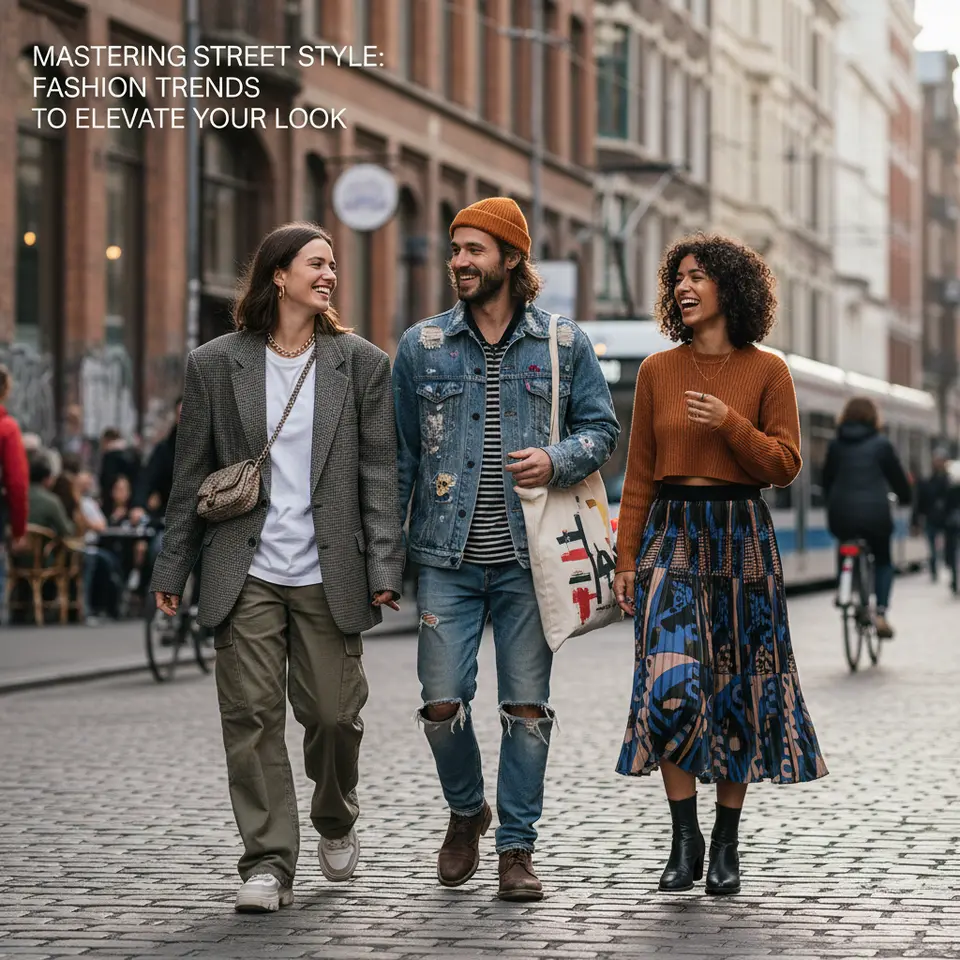
Street style fashion has become a vibrant expression of individuality and creativity in today’s dynamic culture. Once confined to candid snapshots on urban sidewalks, this aesthetic now commands influence across global runways and digital platforms. As consumers seek authentic self-representation, street style fashion emerges as a powerful medium for personal storytelling, blending bold innovation with everyday wear. In today’s digital landscape, the democratization of style is propelled by social media, where influencers, stylists, and enthusiasts showcase diverse interpretations of urban wear.
Currently, the convergence of high-end designer pieces with thrifted treasures underscores a shift in consumer priorities. This year (YYYY), the spotlight is on sustainable choices, with many turning to eco-friendly materials and transparent supply chains. Street style fashion is no longer just about standing out; it reflects a conscientious approach to the environment and community impact. Today, we embark on an in-depth journey through the history, trends, techniques, and sustainable practices defining street style fashion. Whether you’re an aspiring influencer, a seasoned trendsetter, or simply seeking fresh ways to elevate your look, this guide offers comprehensive insights and practical tips to refine your wardrobe and leave a lasting impression wherever you go.
The Evolution of Urban Attire
Origins in Subculture Movements
The roots of street style fashion trace back to grassroots subcultures, where local communities used clothing as a badge of identity. In the 1980s and 1990s, skateboarders, hip-hop artists, and graffiti crews pioneered looks that defied mainstream norms. Their preference for oversized silhouettes, bold graphics, and practical footwear conveyed a sense of rebellion and camaraderie. Over time, photographers and bloggers captured these raw, unfiltered moments, propelling street style fashion into the spotlight.
Integration into High Fashion
Today, luxury brands increasingly turn to the energy of the streets for inspiration. Runways at major fashion weeks now feature bomber jackets with utilitarian pockets, distorted denim, and unconventional layering—elements first popularized on urban corners. This synergy between underground culture and haute couture illustrates how influential street style fashion has become. In today’s digital landscape, collaborations between streetwear labels and established houses further validate the genre, creating collections that blend functionality and avant-garde design.
Global Proliferation
With the rise of social media platforms, street style fashion transcends geographic boundaries. Enthusiasts from Tokyo to Toronto share daily looks, remixing local traditions with modern silhouettes. This global exchange fosters a rich tapestry of styles, from vibrant K-pop-inspired ensembles to minimalist Scandinavian combinations. By embracing diversity, street style fashion remains endlessly adaptable, empowering individuals to inject personal heritage into contemporary attire.
Top Trends Shaping Street Style Fashion
Oversized and Structured Outerwear
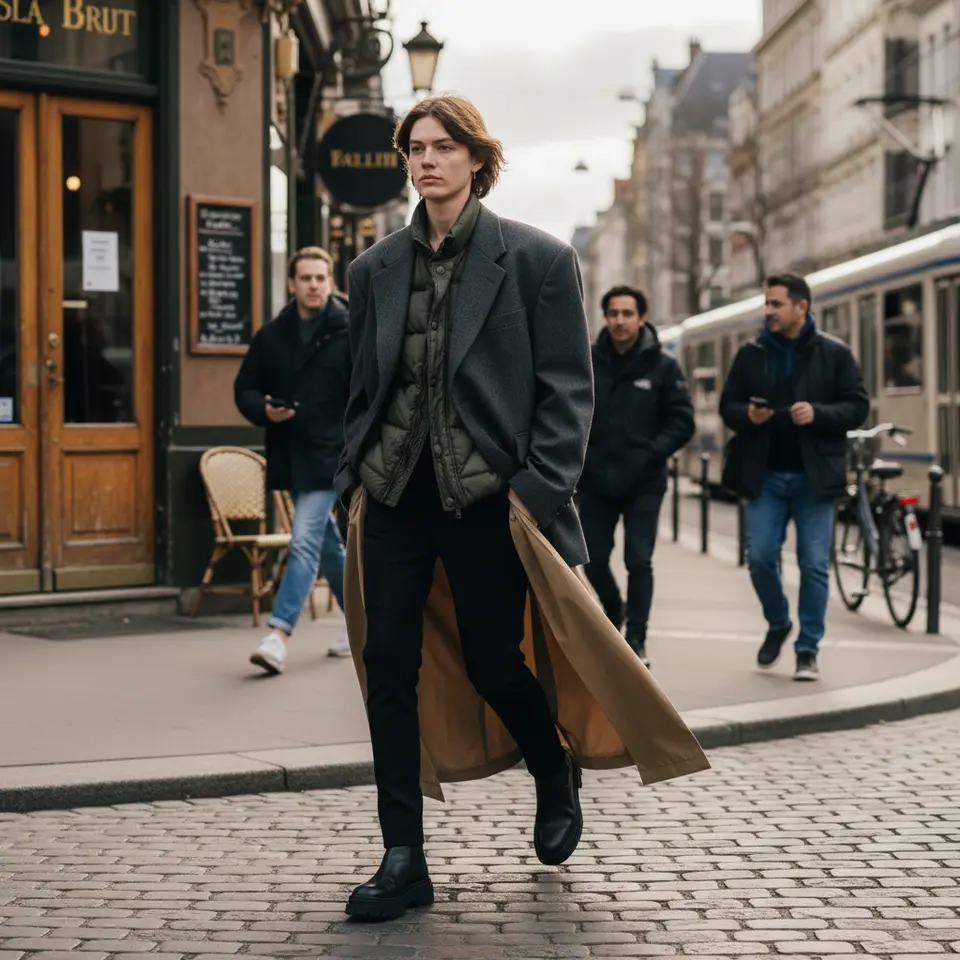
One of the defining trends this year (YYYY) involves embracing voluminous outerwear that combines comfort with sharp tailoring. Boxy blazers, exaggerated trench coats, and puffer jackets with bold quilting create statement proportions. These pieces often feature exaggerated sleeves, drop shoulders, and extended hemlines, allowing for room to layer beneath. Street style fashion aficionados pair such outerwear with streamlined bottoms to balance the look, resulting in an effortlessly cool silhouette.
Color Blocking and Vibrant Palettes
Bold color blocking remains a go-to strategy for injecting energy into an outfit. Vibrant combos—such as electric yellow with deep violet or fiery red alongside sky blue—add a playful yet polished flair. When approaching this trend, consider contrasting textures: a satin blouse with matte trousers or a neon knit paired with leather complements. According to research at Harvard University, individuals wearing contrasting hues tend to appear more confident and approachable, a useful insight for those curating a memorable street style fashion ensemble.
Functional Utility and Technical Fabrics
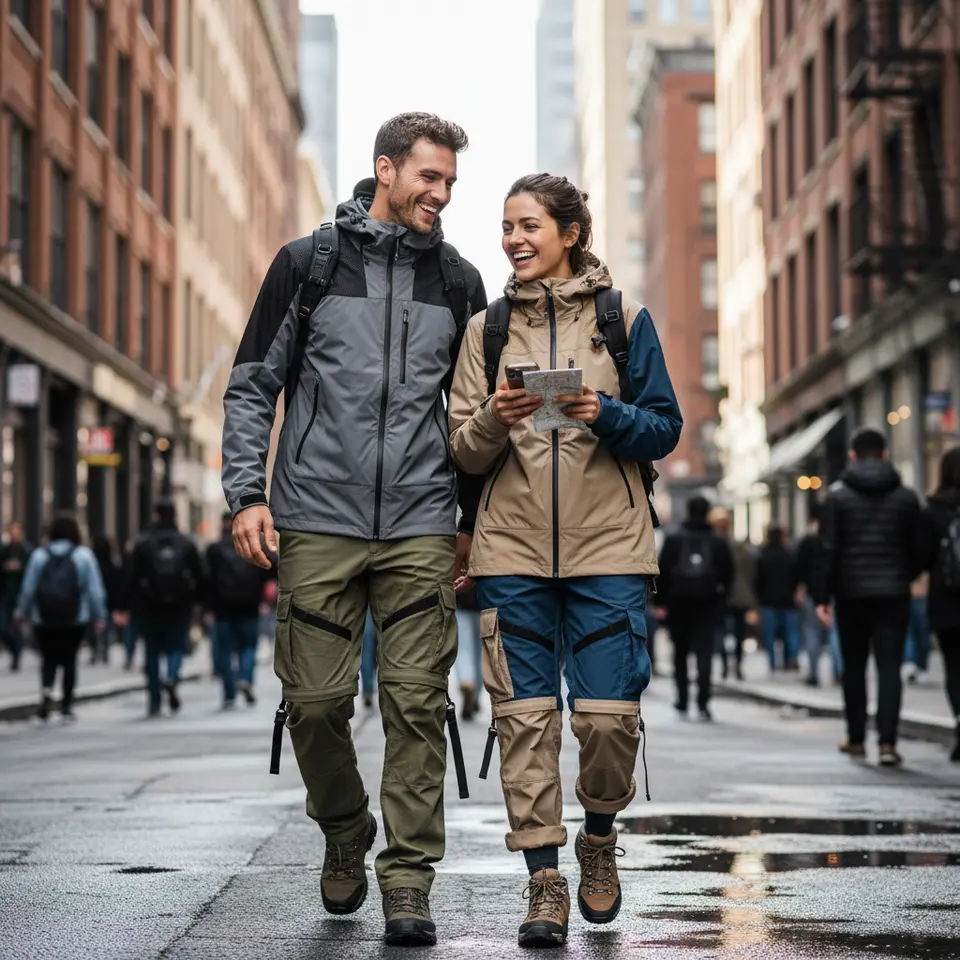
Utility-driven details such as cargo pockets, modular straps, and weather-resistant materials continue to dominate. Modern street style fashion merges form and function, featuring convertible pant legs, detachable hoods, and reinforced seams. These elements not only enhance practicality but also contribute to a rugged, adventurous aesthetic. Performance fabrics—like ripstop nylon and breathable mesh—offer durability without sacrificing comfort.
Retro Revival
A nostalgic nod to past decades breathes new life into street style fashion. ‘90s denim, slip dresses, and chunky leather boots reappear with updated cuts and finishes. Vintage logos and throwback graphics on tees and hoodies celebrate iconic brands, while washed-out colors and distressed details impart authenticity. Scouring thrift shops or online vintage platforms unearths unique finds that anchor a modern look in rich history.
Styling Techniques for Impactful Outfits
Proportion Play and Layering
Mastering contrast in proportions is key to curating striking outfits. Combine a cropped top with wide-leg trousers or an oversized hoodie with a fitted mini skirt. This juxtaposition draws the eye and accentuates your silhouette. Layering also extends functionality: lightweight tees under structured blazers, turtlenecks beneath slip tops, or multiple scarves adding both warmth and visual complexity.
High-Low Pairing
Rolling out the red carpet for a designer bomber while keeping the rest of the look budget-friendly exemplifies street style fashion’s democratic ethos. Mix a statement investment piece—like a genuine leather jacket or an artisanal backpack—with affordable basics sourced from fast-fashion retailers or thrift stores. This balance elevates each element, proving that creative curation matters more than high price tags.
Accessories as Anchors
Accessories hold transformative power. Sunglasses with geometric frames, chunky chain necklaces, or fashion-forward caps serve as focal points. Consider layering delicate and bold jewelry, mixing metals for an eclectic finish. Statement belts cinch the waist and introduce an additional design element, while patterned socks peeking above sleek sneakers add subtle surprise.
Shoes That Speak Volumes
Footwear anchors every outfit. Chunky-soled boots, technical sneakers, and platform sandals each convey distinct moods. High-top trainers in reflective materials or combat boots with aggressive treads enhance the utilitarian side of street style. Meanwhile, minimalist loafers and slip-on mules complement more refined interpretations.
Sustainable Practices in Street Style Fashion
Eco-Conscious Material Selection
As environmental awareness grows, more enthusiasts integrate sustainable principles into their street style fashion choices. Organic cotton, recycled polyester, and plant-based leathers reduce ecological impact. Brands partnering with organizations like the EPA ensure transparent sourcing and responsible manufacturing. By opting for garments crafted from these materials, you contribute to a circular fashion economy while showcasing progressive taste.
Thrifting and Upcycling Strategies
Thrift shopping remains a cornerstone of sustainable street style fashion. Discovering unique pieces at secondhand shops not only limits waste but also encourages individuality. Upcycling—cutting, patching, and embellishing pre-loved garments—breathes new life into outdated items. Adding custom embroidery, pins, or fabric patches transforms basics into personalized statement pieces.
Supporting Ethical Brands
Seek out labels with clear commitments to fair labor practices and eco-friendly initiatives. Certifications such as Fair Trade and Global Organic Textile Standard (GOTS) provide assurance that workers receive fair wages and safe conditions. Investing in these brands aligns your wardrobe with values that transcend fleeting trends.
Care and Longevity
Extending the life of your wardrobe is an important sustainable gesture. Gentle washing techniques, cold water cycles, and air drying prevent premature wear. Regular repairs—like re-stitching seams or replacing zippers—preserve beloved pieces. This mindful approach reduces wardrobe turnover and amplifies the value of each garment.
Adapting Street Style Fashion to Individuality
Understanding Your Body and Fit
Inclusivity lies at the core of successful street style fashion. Assess your body type and embrace silhouettes that highlight your favorite features. Vertical stripes and tailored cuts elongate, while belted shapes define curves. If you prefer relaxed fits, structured layers can add polish without sacrificing comfort.
Cultural Influences and Personal Narratives
Drawing from cultural heritage enriches your style narrative. Traditional patterns, handcrafted textiles, or regional motifs can be integrated subtly—through scarves, footwear, or accessory details. This personalization not only celebrates identity but also distinguishes your street style fashion from generic trends.
Seasonal Adaptations
Street style fashion thrives on flexibility. In cooler months, master layering with thermal undergarments, oversized knits, and statement coats. Conversely, light linens, mesh tops, and breathable trousers dominate warmer seasons. Carry a versatile tote or crossbody bag to facilitate quick wardrobe switches and maintain comfort throughout the day.
Confidence as the Ultimate Accessory
No matter the garment, the way you carry yourself completes the look. Practice posing drills in front of mirrors, explore unique backdrops for photos, and refine your posture. Confidence radiates through body language, making even the simplest outfit feel intentional and bold. Street style fashion ultimately celebrates authenticity—wear what feels genuine, step out boldly, and let your personal flair shine.
FAQ
What defines street style fashion?
Street style fashion is characterized by its roots in grassroots subcultures and its emphasis on individuality, mixing bold graphics, practical elements, and personal storytelling through everyday wear.
How can I incorporate sustainable practices into my street style?
Integrate eco-conscious materials like organic cotton, recycled polyester, and plant-based leathers, shop at thrift stores, upcycle pre-loved garments, and support brands with certifications such as Fair Trade and GOTS.
Which trends are dominating street style this year?
Key trends include oversized and structured outerwear, bold color blocking, functional utility with technical fabrics, and retro revivals that blend nostalgic elements with modern cuts.
How do I personalize street style to suit my body type?
Experiment with proportion play—pairing cropped tops with wide-leg bottoms or oversized layers with fitted pieces—and choose silhouettes that accentuate your favorite features for a balanced and flattering look.
Conclusion
Street style fashion continues to evolve in today’s fast-paced world, blending creativity, sustainability, and individuality. By tracing its roots from subculture movements to global runways, we gain insight into how this dynamic aesthetic thrives in today’s digital landscape. Embracing top trends—such as oversized outerwear, bold color blocking, and retro revivals—coupled with skillful styling and eco-conscious choices empowers every enthusiast.
Ultimately, street style fashion is more than clothing; it’s a canvas for personal stories and global conversations. Whether you choose to upcycle vintage finds, invest in ethically produced pieces, or simply experiment with proportions, the most impactful outfits stem from authenticity. As you refine your wardrobe this year (YYYY), remember that confidence is your greatest accessory. Own your look, honor your values, and let every sidewalk become a stage for your unique expression.
