

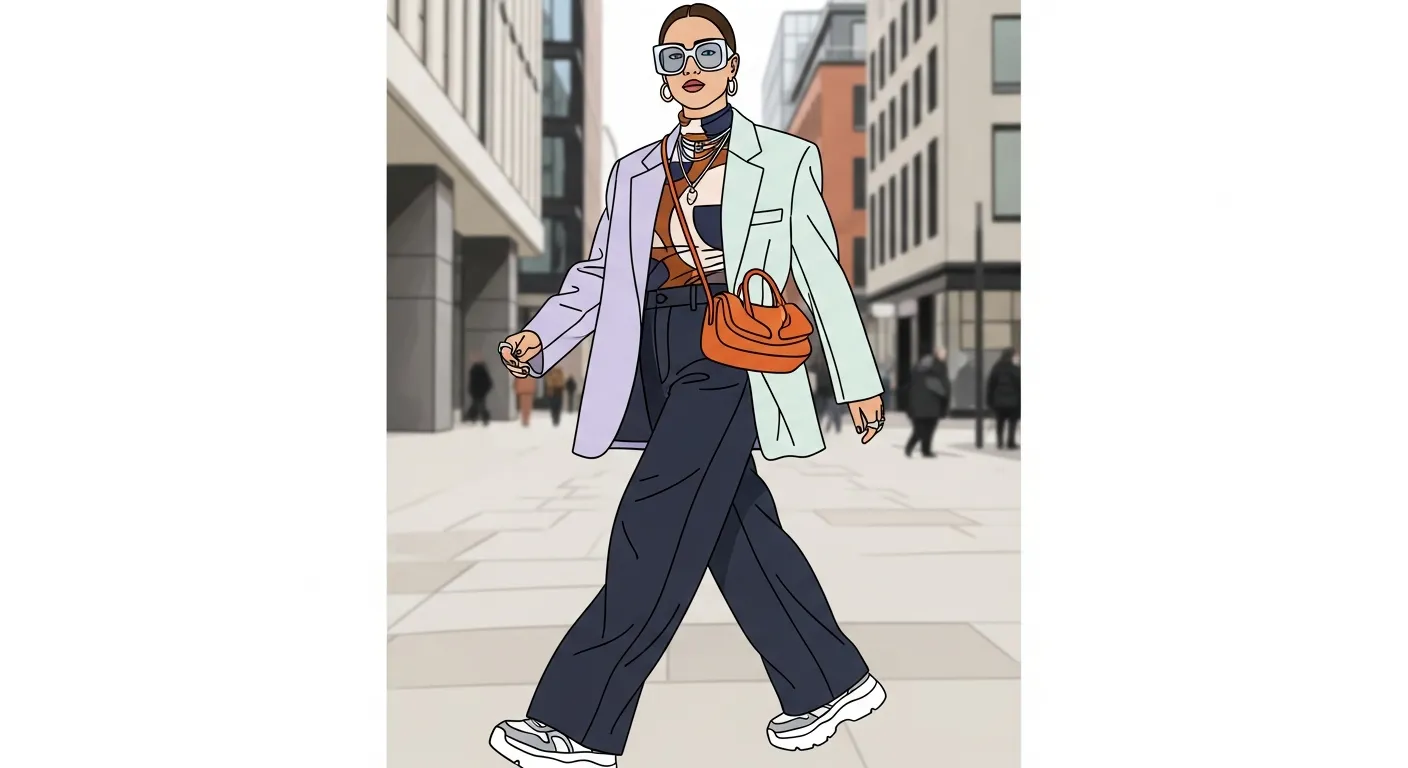
Developing a personal fashion style involves understanding your personality, lifestyle, and body type. By exploring inspiration, mastering fit, and building a versatile wardrobe, you can create a confident, practical, and authentic style that evolves over time.
Getting dressed is a daily necessity, but how you dress is entirely up to you. Clothing serves as a powerful form of non-verbal communication. It tells people who you are, what you value, and how you want to be perceived. Knowing how to develop a fashion style is a journey of self-discovery that goes far beyond simply following the latest runway trends.
Finding a signature look builds confidence. When you wear clothes that align with your personality and fit your body properly, you feel more comfortable and assured. A well-defined personal fashion style also simplifies your daily routine. You spend less time staring blankly at your closet and more time enjoying your day.
This guide covers everything you need to know to build a wardrobe that works for you. We will explore how to assess your current lifestyle, gather inspiration, decode the elements of fashion, and shop mindfully. By the end of this guide, you will have a clear roadmap for creating a closet full of clothes you actually want to wear. Remember, learning how to develop a fashion style isn’t about creating a rigid uniform—it’s about cultivating a way of dressing that feels as natural and comfortable as your favorite song.
Understanding Your Fashion Identity
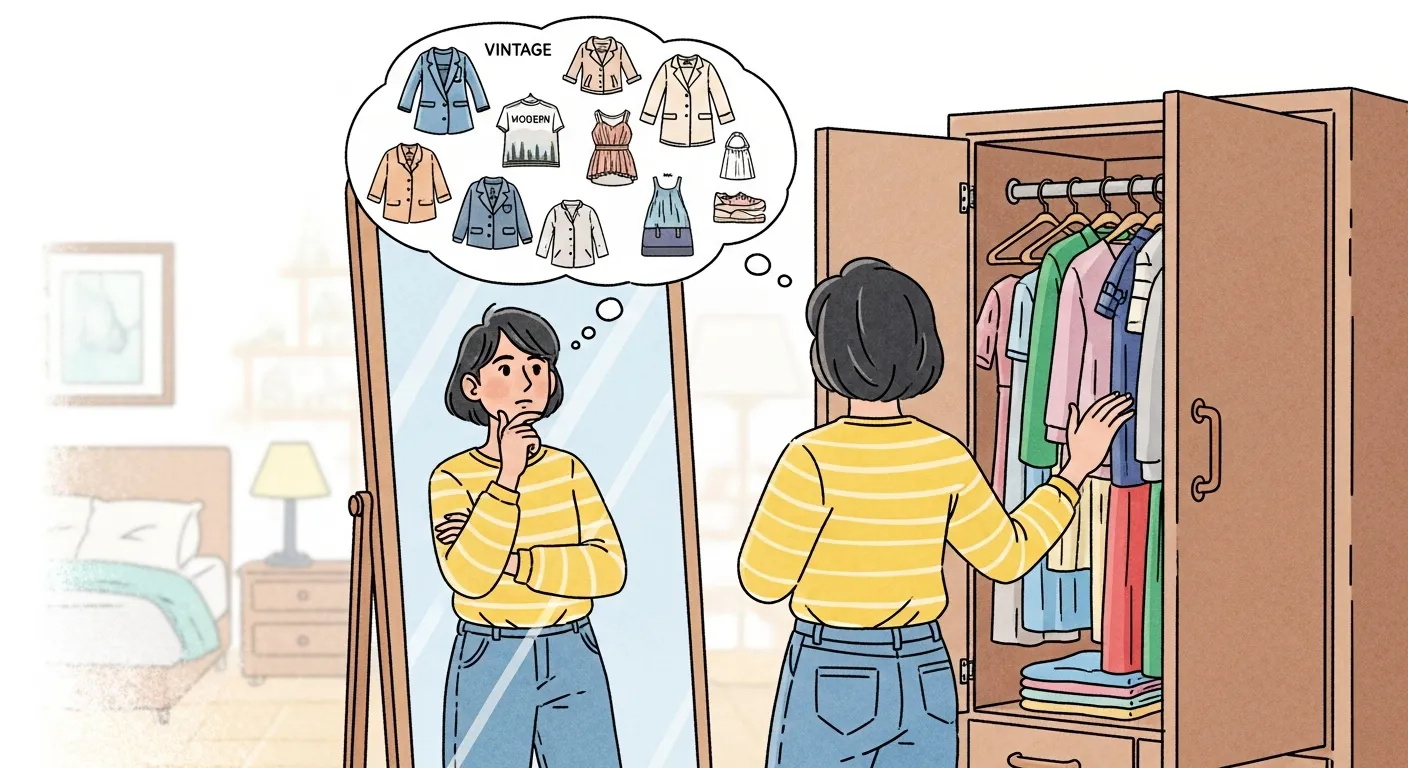
Building a great wardrobe starts with knowing yourself. Your clothing should reflect your personality, accommodate your daily activities, and make you feel comfortable in your own skin. Establishing your fashion identity is the absolute foundation of great wardrobe styling. True style begins deep within—by understanding your core beliefs, moods, and unique energy, you will build a look that always feels like you.
Self-Reflection: Who Are You?
Take a moment to think about your personality traits. Are you outgoing and bold, or quiet and understated? Your clothing can amplify these traits. If you love structure and organization, you might gravitate toward tailored, minimalist pieces. If you are a free spirit, loose silhouettes and bohemian prints might feel more authentic. Write down three words that describe the exact vibe you want to project when learning how to develop a fashion style.
Your self-reflection shouldn’t stop with adjectives. Consider what activities make you happiest: Do you love weekends in nature, art galleries, or cozy coffee shops? Each passion maps to certain textures, layers, or shoes. The more honest you are with yourself here, the more you’ll love your eventual closet.
Reflective Exercise
- List your top five favorite outfits. What do they have in common? Color? Fit? Style?
- Consider your style icons—what about their outfits attracts you?
- What do you want your look to say in 10 seconds?
Lifestyle Assessment: What Does Your Daily Life Demand?
Your closet needs to match your reality. A closet full of evening gowns is useless if you work from home and spend your weekends hiking. Calculate how much time you spend at work, lounging, exercising, and socializing. Your wardrobe should reflect these percentages. Prioritize comfortable, practical garments for the activities that take up the majority of your week. When defining your unique look, reviewing tips for defining a personal style can help you properly align your lifestyle with your clothing choices.
If your everyday environment has changed—maybe you now travel often, care for children, or started a side hustle—your fashion style must keep up. Ensure you have outfits for your real life, not an imaginary version or idealized Instagram feed. Take a clothing inventory by categorizing your wardrobe based on how often you wear specific pieces during a typical week.
Body Shape and Personal Coloring
Understanding your body shape helps you highlight the features you love. Whether you are pear-shaped, athletic, or an hourglass, certain cuts will naturally complement your frame. Similarly, discovering your color season—based on your skin undertone, hair, and eye color—can completely change how you shop. Wearing colors that harmonize with your natural complexion makes your skin look clearer and your eyes brighter, which is a major component of your personal fashion style.
Common Body Shapes & Flattering Cuts
|
Body Shape |
Characteristics |
Flattering Cuts |
|---|---|---|
|
Pear |
Wider hips, narrow shoulders |
A-line skirts, boatneck tops, fitted waist |
|
Apple |
Broader torso, slim legs |
V-necklines, straight-leg pants |
|
Hourglass |
Defined waist, balanced bust/hips |
Wrap dresses, high-waisted pants |
|
Rectangle |
Balanced, minimal curves |
Ruffles, belted dresses, peplum tops |
|
Inverted Triangle |
Broader shoulders/ upper body |
V-necks, flared skirts, wide-leg pants |
When you match silhouettes to your body with intention, you feel instantly polished. Don’t forget about coloring: try holding garments near your face in natural light to see if you look more radiant or washed out. Over time, curating flattering shades and cuts will become second nature.
Inspiration and Exploration for Your Personal Fashion Style
Once you understand your foundation, you can start gathering ideas. Inspiration is everywhere, but it requires a bit of curation to be useful for your fashion identity.
Finding Your Muses
Look for people whose style resonates with you. These could be classic fashion icons, contemporary celebrities, or influencers on social media. Pay attention to how they put outfits together. Notice the specific items they repeat, the way they layer garments, and the proportions they use. Do not try to copy them exactly. Instead, analyze why their outfits work and figure out how to adapt those style development tips for yourself.
Seek inspiration in unexpected places as well—art, architecture, nature, movies, or travel memories. Try copying an outfit from a non-traditional source, such as a movie character or a favorite painting, and see which elements you can interpret into your wardrobe.
Building a Visual Mood Board
A mood board is a visual representation of your style goals. Use visual platforms to save images of outfits you love. After a few weeks of saving photos, review your collection. You will likely notice recurring themes in your wardrobe styling preferences. Maybe you save a lot of oversized blazers, or perhaps you gravitate toward earth tones. This mood board will serve as a visual anchor when you feel lost or tempted by passing trends.
Try printing out your digital mood board or make a physical one with magazine cutouts. Hang it in your closet for continuous motivation. As you shop, refer to your board—does the item align with your vision and style goals?
Stepping Out of Your Comfort Zone
Sometimes, you have to try things on to know if they work. Go to a clothing store with the explicit goal of not buying anything. Take a variety of styles, colors, and cuts into the fitting room. Try on items you normally walk past. You might discover that a specific neckline looks incredible on you, or that a bright color brings out your eyes.
Commit to a fashion challenge: once a month, wear a style or color you’ve never tried before. Over time, you’ll find new favorites, refine your tastes, and build confidence in experimenting.
Decoding Fashion Elements for Wardrobe Styling
To build cohesive outfits, you need to understand the basic building blocks of fashion. Knowing how to manipulate silhouette, color, and texture will elevate your daily dressing and help you master how to develop a fashion style.
Silhouettes and Proper Fit
Fit is the most critical element of any outfit. Even the most expensive designer clothing looks terrible if it fits poorly. Learn the difference between oversized, tailored, and fitted garments. Master the art of proportion. If you wear a voluminous top, pair it with a fitted bottom to create visual balance. Cultivate a relationship with a local tailor to make affordable clothes look custom-made.
- Oversized: Slouchy sweaters, boyfriend jeans, or loose coats—perfect for relaxed days.
- Tailored: Blazers, trousers, pencil skirts for meetings, interviews, or moments when you want to feel powerful.
- Fitted: Tops or dresses that softly follow your curves—ideal for layering or highlighting your silhouette.
Pay attention to details like hem length, shoulder seams, and sleeve length—they should align with your body for a custom look.
Colors and Patterns
Color can dramatically alter the mood of an outfit and your overall fashion identity. Neutrals like black, navy, camel, and white form a versatile foundation. Accent colors add personality and excitement. When mixing patterns, vary the scale. Pair a large floral print with a subtle, small stripe. If mixing prints feels intimidating, start by incorporating one patterned piece with solid neutral basics.
Use the color wheel as a guide—opposites attract (like blue and orange or purple and yellow). Pick one bold accent per outfit, or keep it monochromatic for chic simplicity.
Pattern and Color Combo Ideas:
- Polka dots + denim
- Stripes + florals
- Animal print + bright solid
- Monochrome neutrals with a pop color bag
Fabrics and Textures
Texture adds depth to an outfit, especially if you prefer a monochromatic color palette. Mixing black leather, silk, and chunky knit wool creates visual interest. Pay attention to fabric composition when shopping. Natural fibers like cotton, linen, silk, and wool generally breathe better and last longer than synthetic materials.
For best results, aim for one unique texture per outfit: a velvet blazer, corduroy pants, or a silk scarf. This subtle detail shows a high level of style development without overt effort.
Building Your Wardrobe with Style Development Tips
With a solid understanding of your preferences, you can begin assembling a functional wardrobe. The goal of excellent wardrobe styling is to maximize the number of outfits you can create with a minimal number of items.
The Capsule Wardrobe Concept
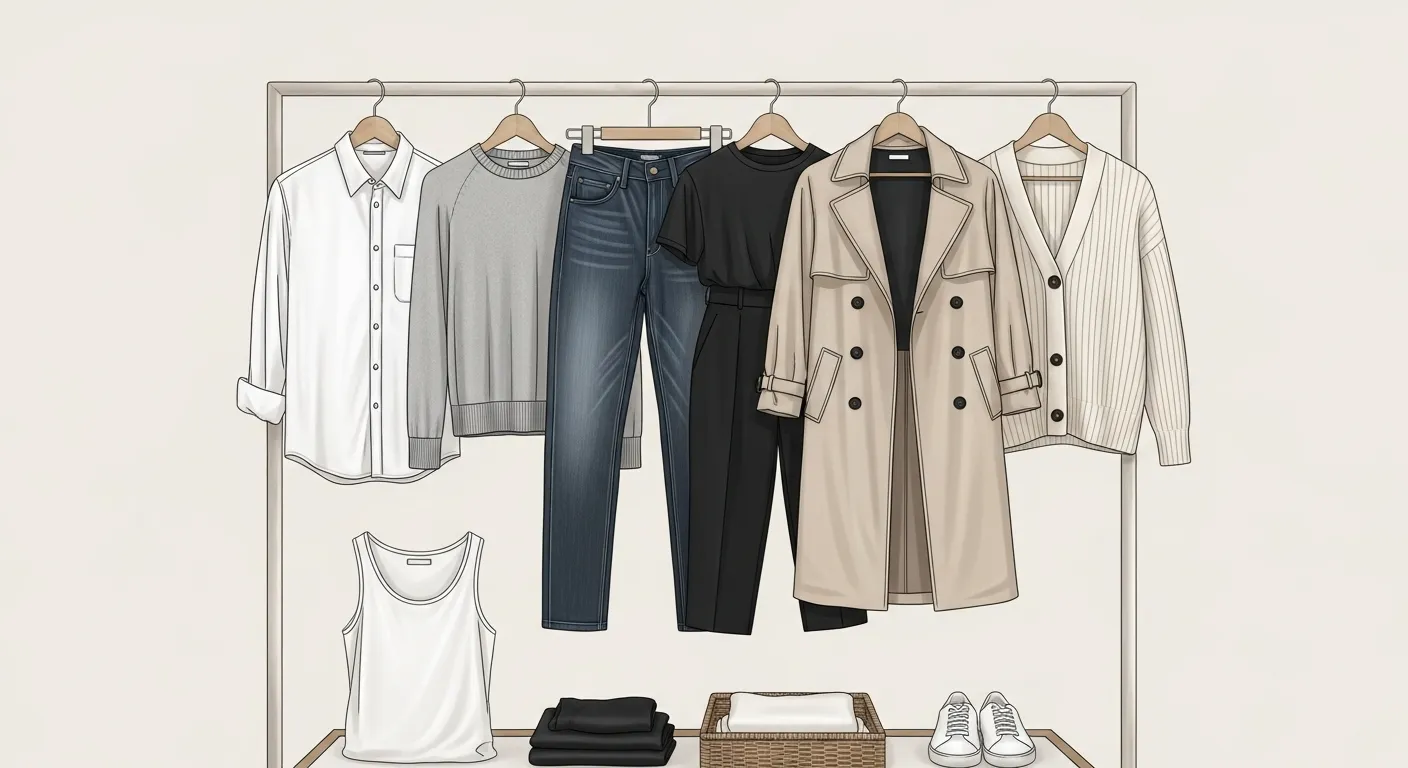
A capsule wardrobe consists of a limited number of highly versatile pieces that easily mix and match. This concept forces you to be intentional about what you own. Every item should earn its place in your closet by working seamlessly with multiple other pieces.
Key Essential Pieces
Every strong wardrobe needs basics. These are the supporting actors that let your statement pieces shine. Common essentials include:
- A well-fitting pair of denim jeans
- A crisp white button-down shirt
- A tailored blazer in a neutral tone
- A classic knit sweater
- A versatile everyday jacket
Add a midi skirt, classic ankle boots, a simple trench coat, and a pair of dressy flats for extra flexibility. Think about your climate and lifestyle—do you need rain boots or sunhats?
Investing in Quality vs. Quantity
It is better to own one excellent coat than five mediocre ones. High-quality garments drape better, withstand repeated washing, and retain their shape over time. Identify the items you wear most frequently and allocate a larger portion of your budget to them to strengthen your personal fashion style.
Look for durability in construction—double-stitched seams, good lining, and strong hardware (like zippers and buttons). Keep trend-based or “statement” pieces to a minimum so your wardrobe remains timeless.
Accessorizing and Personal Touches
Accessories are the finishing touches that make an outfit uniquely yours. They offer a low-risk way to experiment with new trends and add personality to basic garments.
|
Accessory Type |
Casual Vibe |
Professional Vibe |
Evening Vibe |
|---|---|---|---|
|
Footwear |
Canvas sneakers |
Leather loafers |
Strappy heels |
|
Jewelry |
Simple studs |
Minimalist watch |
Statement necklace |
|
Bags |
Canvas tote |
Structured leather tote |
Beaded clutch |
|
Extras |
Baseball cap |
Silk scarf |
Bold red lip |
Expand with seasonal accessories: sunglasses for summer, thick scarves and hats for winter, and playful umbrellas for rainy weather.
Signature Touches
Cultivating a signature item—a trademark hat, a recurring print, or your favorite layering piece—becomes part of your fashion identity over time. Even modest basics can feel special with a personal twist.
Grooming and Style Harmony
Hair, makeup, and fragrance all play a role in your overall vibe. Even if your clothing is simple, bold lipstick or a classic updo can elevate the look instantly. Experiment with new hairstyles or subtle fragrances that give you a confidence boost every time you get dressed.
Developing a Mindful Shopping Strategy
A defined fashion identity prevents impulse purchases and buyer’s remorse. Approaching shopping with a clear strategy ensures you only bring valuable items into your home.
- Never shop without a list. Identify the specific gaps in your wardrobe and only look for items that fill those voids.
- Try the “one in, one out” rule—only add new pieces by letting go of something else.
- Shop with a “cost-per-wear” mindset: ask if you’ll wear an item at least 30 times before purchasing.
Before buying anything, ask yourself if it fits your lifestyle, matches three things you already own, and makes you feel comfortable. Secondhand shopping is excellent for the environment and your wallet, offering unique pieces for your wardrobe styling.
Sustainable and Ethical Shopping
Support brands with values that match your own, whether that means ethical manufacturing, eco-friendly materials, or charitable missions. Choosing longevity over fast fashion pays off for both your conscience and your closet. Swapping clothes with friends or attending clothing swaps can give old garments new life.
Maintaining and Evolving Your Style
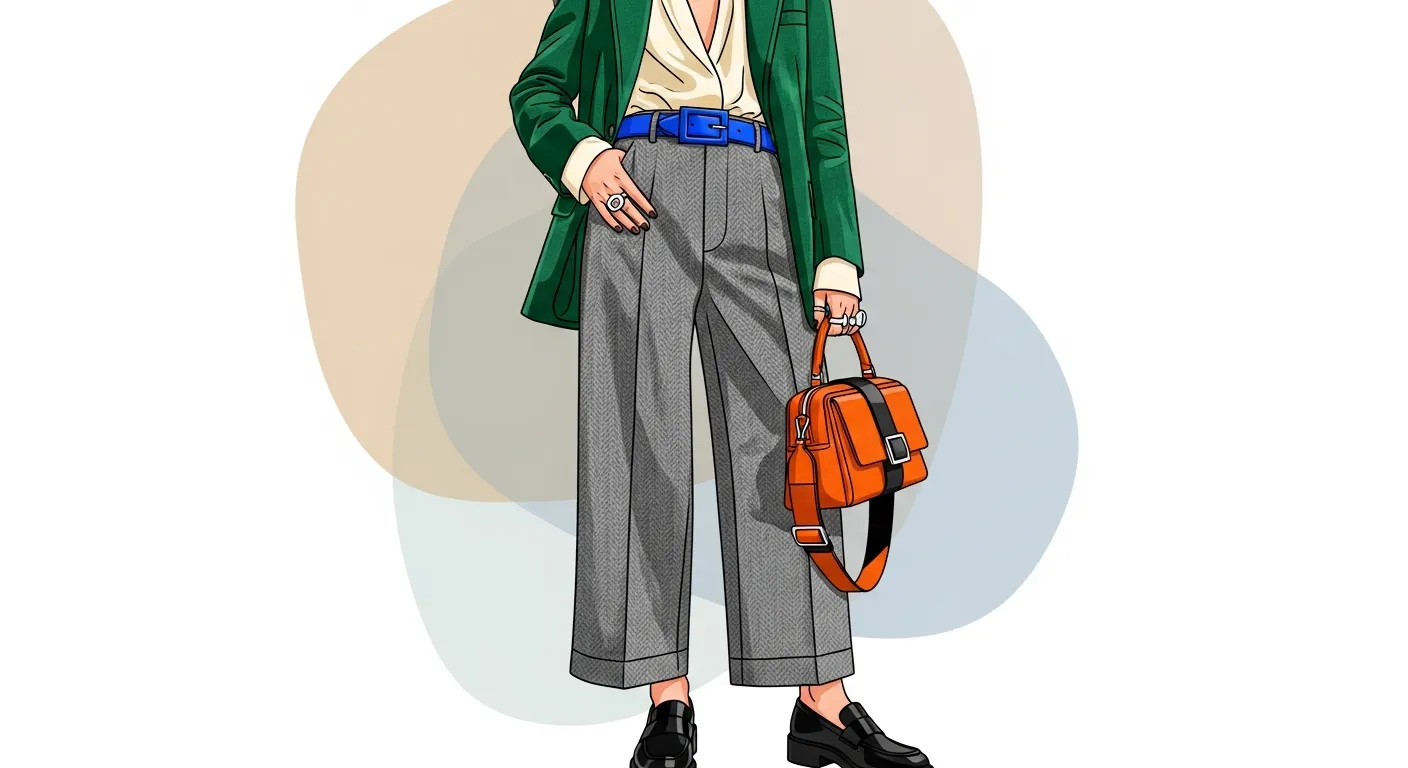
Style is not a destination; it is a continuous process. As you age, change careers, or move to new climates, your clothing needs will naturally shift.
Protect your investments by caring for your clothes properly. Read care labels, wash items on cold, and air dry them when possible. Rotate items seasonally to keep your closet fresh and organized.
Adapting to Change
When a new trend emerges, evaluate it against your mood board. If it fits, incorporate it through an affordable accessory first. If it doesn’t align with your style, confidently pass. Stay aware of your wardrobe’s gaps and surplus to keep your collection lean but effective.
Annual Closet Audit
Reassess your wardrobe annually and donate items that no longer fit your body or your lifestyle. It’s also a great moment to reflect on how your style and preferences have evolved over the past year and set fresh fashion intentions for the season ahead.
Embrace the evolution of your taste as you continue to learn how to develop a fashion style—life is too short to wear clothes that don’t excite you.
Frequently Asked Questions
How do I figure out what my personal fashion style is?
Start by assessing the clothes you currently own and love wearing the most. Look for common threads in colors, fabrics, and silhouettes to identify your baseline preferences. You can also build a visual mood board online to see what aesthetic draws your eye consistently.
Why is it important to learn how to develop a fashion style?
Learning how to develop a fashion style boosts your self-confidence and saves you time every morning. It prevents you from wasting money on trendy clothes that you will never actually wear. A cohesive style ensures your wardrobe matches your daily lifestyle and genuine personality.
What are the best style development tips for beginners?
The best tip for beginners is to focus heavily on fit rather than brand names or passing trends. Start by building a foundation of high-quality, neutral basics that can be mixed and matched easily. From there, you can slowly introduce bold colors or unique accessories to add personality.
How does my lifestyle impact my fashion identity?
Your fashion identity must be practical for your daily activities to be truly effective. If you work in a corporate office, your wardrobe will naturally lean toward tailored, professional pieces. If you work from home, comfortable, elevated loungewear will dominate your daily clothing choices.
What is the role of a capsule wardrobe in wardrobe styling?
A capsule wardrobe limits your closet to highly versatile, cohesive pieces that all work together. This approach eliminates decision fatigue and ensures you always have an outfit ready. It forces you to prioritize quality over quantity, which is the cornerstone of excellent wardrobe styling.
How can I find my personal style on a tight budget?
You can build an incredible personal fashion style by shopping at thrift stores and online consignment platforms. Focus on buying timeless basics rather than expensive, fast-fashion trends. For a deeper dive into this, you can explore the ultimate guide to finding your personal style to further refine your wardrobe economically.
Should I follow fashion trends when building my wardrobe?
You should only follow fashion trends if they naturally align with your established fashion identity. If a trend makes you feel uncomfortable or does not match your lifestyle, skip it entirely. Use trends merely as inspiration, not as strict rules for your personal dressing habits.
How do colors affect my personal fashion style?
Colors have a massive impact on your style by setting the mood of your outfit and complementing your natural features. Wearing colors that match your skin undertones will make you look vibrant and healthy. Creating a specific color palette also makes mixing and matching your clothes much easier.
What should I do with clothes that no longer fit my style?
You should declutter clothes that no longer serve your fashion identity by donating them, selling them online, or giving them to friends. Keeping unworn clothes in your closet only creates visual clutter and causes dressing anxiety. A smaller closet full of clothes you love is much better than a packed closet of regrets.
Can my fashion identity change over time?
Yes, your fashion identity will absolutely change as you move through different phases of your life. Career changes, geographical moves, and personal growth will all influence how you want to present yourself to the world. Embrace these changes and allow your wardrobe styling to evolve naturally.
By following these steps, experimenting with inspiration, and listening to your gut, you’ll discover how to develop a fashion style that is truly yours—one that aligns with your identity, supports your goals, and brings daily joy. Your personal fashion style is an evolving expression; treat it as a lifelong adventure and give yourself permission to enjoy the journey every single day.
