

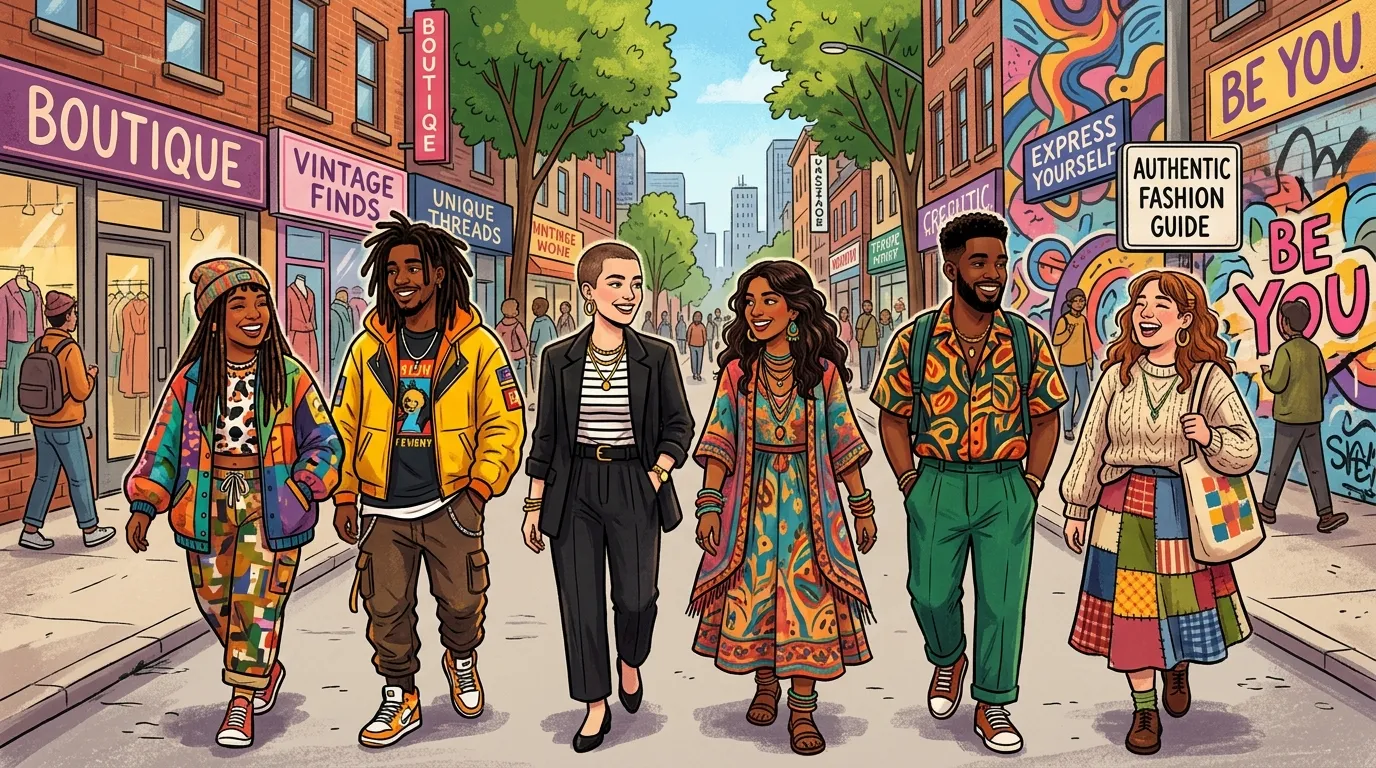
This guide explains how to build personal style through self-discovery, wardrobe essentials, experimentation, and sustainability. It helps align clothing with lifestyle, boost confidence, and create a unique, evolving fashion identity.
Personal style extends far beyond the clothes you drape over your body every morning. It acts as an unspoken language, communicating your identity, mood, and values before you even utter a single word. Figuring out how to make your own style can feel overwhelming when faced with rapidly shifting seasonal trends and endless fashion recommendations. However, cultivating a unique aesthetic is an entirely personal journey rooted in self-expression rather than blind imitation. When you decide to make your own style, you take control of your visual narrative.
Many people look at their overflowing closets and feel a persistent sense of having absolutely nothing to wear. This frustration usually stems from a disconnect between the clothes they buy and their actual lifestyle or personality. Building a wardrobe that feels uniquely yours solves this daily dilemma. When your clothing aligns with your true self, getting dressed transforms from a stressful chore into a joyful morning ritual. You must make your own style a priority if you want to feel truly comfortable in your skin.
A strong personal aesthetic also acts as an armor of confidence. Walking into a room wearing an outfit that feels inherently comfortable and authentic changes your posture, your interactions, and your overall presence. This comprehensive guide will walk you through the essential steps of discovering, building, and refining a wardrobe that genuinely reflects who you are. We will explore exactly how to make your own style work for your unique life, and offer strategies for developing a sense of style that evolves gracefully with you.
The Foundation of Fashion: Self-Discovery
To dress authentically, you first need to understand your daily reality. Look closely at how you actually spend your week. You might deeply admire structured, tailored suits or elaborate dresses. Yet, if your day involves wrangling children, commuting on a bicycle, or working from a casual home office, a closet full of stiff formalwear will only gather dust. When you make your own style, practicality must meet aesthetics.
Analyzing Your Daily Reality
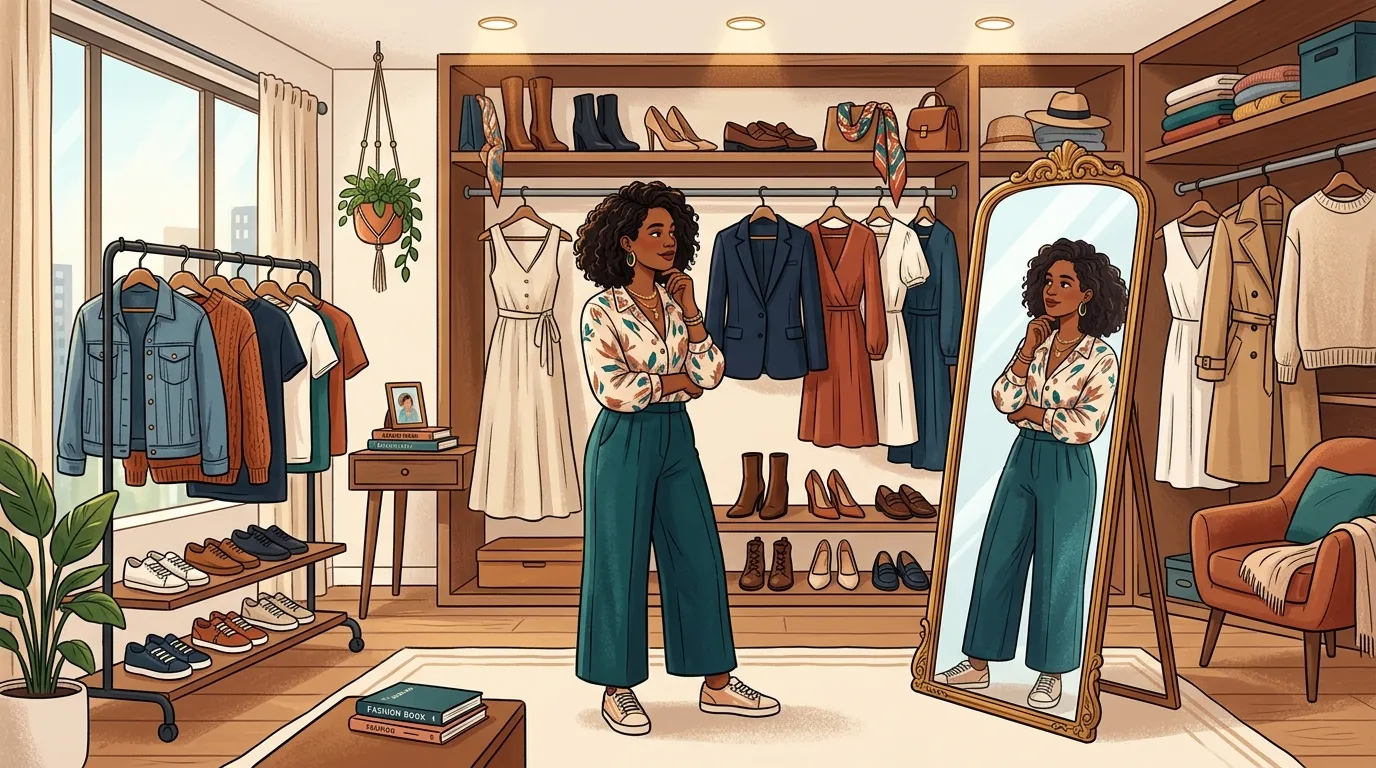
Self-discovery is the true bedrock of great style. Start by taking inventory of your lifestyle needs. Create a simple pie chart of your activities, mapping out the percentage of time you spend working, socializing, relaxing, and exercising. Your wardrobe proportions should roughly match this chart. If you spend eighty percent of your time in a casual office environment, the vast majority of your clothing budget and closet space should reflect that reality.
Consider environmental factors as well, such as regional weather, climate, and the type of places you frequent. For instance, living in a city with unpredictable seasons may mean investing in versatile layering pieces and weather-proof shoes. If you work in a creative field, your wardrobe might allow for more expressive or unconventional garments. Understanding your life’s rhythms and requirements ensures your style remains both authentic and functional.
To successfully make your own style, you have to dress for the life you actually live, not the fantasy life you see in magazines. This grounded approach ensures that every time you open your closet, you find practical, beautiful garments ready to support your day.
Taking Inventory of Your Closet
Next, analyze your current favorite garments. Pull out the pieces you reach for constantly—the ones that make you feel invincible. Look for common threads among these items. Do you lean toward natural fabrics like linen and cotton? Do you prefer high-waisted silhouettes or loose, flowing shapes? Identifying these recurring preferences provides a powerful roadmap for your future style choices. Understanding your body is equally important. Rather than hiding behind clothes, find cuts and proportions that highlight the physical features you love most. This is a critical step when you want to make your own style.
Jot down adjectives for each garment—comfortable, structured, colorful, minimal, bold, etc.—and notice patterns. You may discover that you subconsciously gravitate toward certain palettes or fabrics, such as calming blues, structured denim, or lightweight knits. Take selfies in your favorite outfits and ask how each look makes you feel: powerful, relaxed, playful, refined? These emotional associations will help you define the essence of your personal style and avoid future impulsive purchases that don’t align.
Securing the Building Blocks of Your Wardrobe
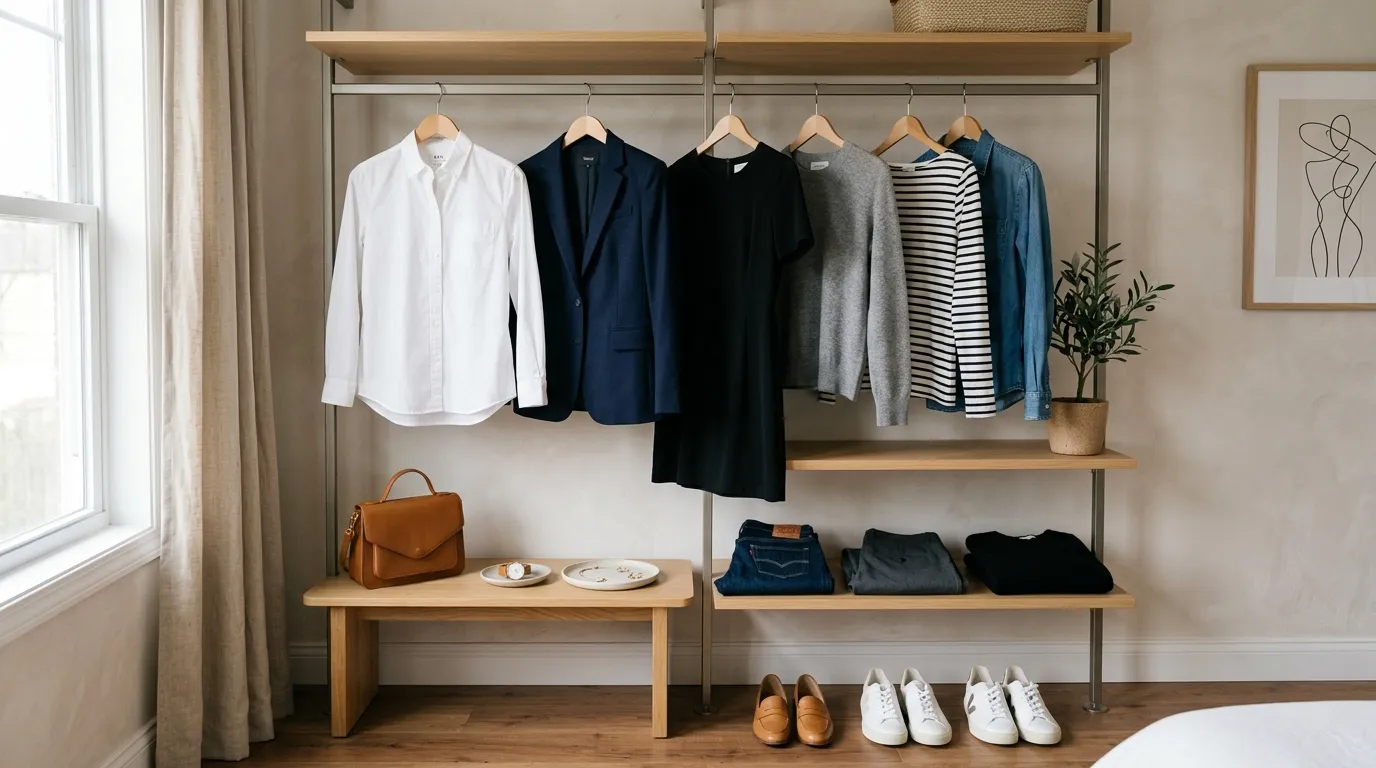
A reliable wardrobe relies on strong foundations. These core items ensure you always have something to wear, regardless of the occasion or the season. Often referred to as wardrobe staples or basics, these are the heavy lifters of your closet that help you make your own style effortlessly.
Choosing Your Core Pieces
Essential pieces vary slightly from person to person, but they generally build the framework you need to make your own style. Consider incorporating the following elements:
- A pair of perfectly fitting, versatile denim jeans.
- A tailored blazer or classic jacket that adds instant structure.
- Simple, high-quality neutral t-shirts for layering.
- Reliable, comfortable footwear that suits your daily commute.
- A signature coat that pulls any winter outfit together.
- An “all-purpose” dress: something that works for both casual and more formal settings.
- An easy button-down shirt that can be dressed up or down.
When selecting these foundational items, prioritize fit and fabric over flashy details. A simple white cotton crewneck might seem boring on a hanger, but when paired with the right trousers and accessories, it becomes a canvas for your personal style. It allows you to make your own style visible through creative layering.
Tips for Core Pieces Selection
Try on multiple brands to discover which ones cut and drape for your proportions best. Don’t settle for “almost right”—building your wardrobe on ill-fitting basics will only lead to frustration. Seek advice from a tailor for minor adjustments; even a slight hem or tuck can make a big difference. Remember that quality trumps quantity: it’s better to have two pairs of perfect jeans than six ill-fitting ones that languish at the back of your closet.
Prioritizing Quality Over Quantity
Because you will wear these building blocks repeatedly, they require a higher standard of quality. Look for sturdy stitching, durable fabrics, and cuts that withstand frequent washing. Investing a bit more money and time into finding the perfect foundational pieces pays off rapidly. They form the base of almost every outfit you create moving forward, ensuring you can make your own style last for years.
Review your closet twice a year—at the start of each big season. See which basics are still holding up and which need a refresh. Don’t be afraid to let go of over-worn items; they’ve served their purpose. When bringing something new in, ask whether it complements your other essentials and reflects your current lifestyle and aesthetic.
The Art of Experimentation and Play
Once your basics hang securely in your closet, the real fun begins. Figuring out how to make your own style requires a willingness to step outside your comfort zone and play with new concepts. Mixing and matching unexpected elements breathes life into simple outfits and keeps your wardrobe feeling fresh.
Mixing Textures, Patterns, and Colors
Start small by playing with texture and pattern. Pair a chunky knit sweater with a smooth silk skirt, or mix a subtle pinstripe with a bold floral print. These combinations add visual interest and depth to your look. Trying out new trends can also be an exciting way to experiment, but approach them selectively. Filter trends through your newly established style rules to ensure they help you make your own style.
Don’t shy away from color, either. If you typically stick with greys and blues but adore the look of bright orange on someone else, try incorporating a pop of that color in your accessories or a statement top. Color adds energy and freshness, helping you make your own style visible even in small doses.
How to Mix Patterns Successfully
If a popular neon color clashes with your preferred muted palette, simply let that trend pass you by. For extra inspiration on making diverse elements work together, check out these 5 tips for creating unique style to elevate your everyday looks. Take photos of your successful outfit experiments. Keep a dedicated folder on your phone to reference on days when your creative energy runs low. This personal lookbook serves as a reminder of the unique combinations that help you make your own style stand out.
Collaborate with friends or peers whose style you admire—borrow a statement piece for the weekend to try it out, or do “closet swaps” to test if a certain shape or scheme actually feels like you. Community and curiosity are key drivers when learning to make your own style both personal and memorable.
The Role of Fashion Icons and Inspiration
Draw inspiration from a variety of places: musicians, film characters, designers, or even street style photography. Choose elements that resonate, but always filter them through your own sensibilities. Instead of copying an entire look, ask which part of an outfit drew you in—the silhouette? The confidence? The playfulness? Let your style icons inspire experimentation, not dictate your entire wardrobe.
Elevating Outfits with the Right Accessories
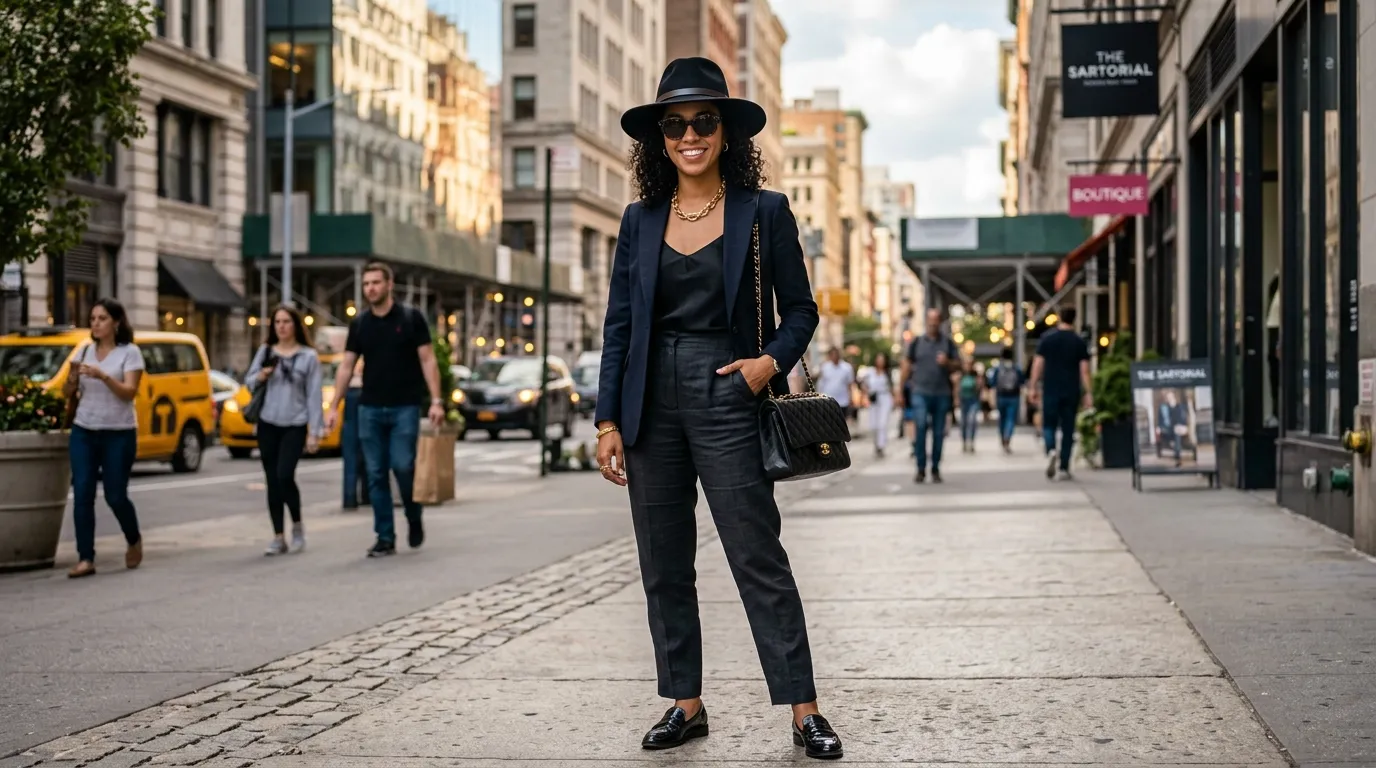
Accessories possess the unique ability to transform a basic outfit into a completely different aesthetic. A simple black dress paired with canvas sneakers and a denim jacket reads as casual and approachable. Take that exact same dress, swap the sneakers for leather boots, add a statement metal necklace, and the entire vibe shifts to something edgy and sophisticated. Learning to accessorize is how you make your own style truly unique.
Jewelry, Bags, and Footwear
Jewelry, belts, bags, hats, and scarves act as the punctuation marks of your fashion statements. They offer a low-stakes way to inject bold colors or unusual shapes into your wardrobe without committing to a full garment. When building an accessory collection to make your own style, consider your daily habits.
Curate with intention; pick an everyday piece (a silver ring, a favorite leather tote) and build around it. Swap your accessories based on season or mood. If you tend to dress in neutrals, a punchy handbag or statement earrings will offer personality and fun without overwhelming your look. If your style already leans bold, consider micro-trending with colored socks, patterned headbands, or even switchable watch bands for a custom touch.
If you work with your hands, delicate rings might prove frustrating, making earrings or necklaces a better avenue for expression. If you carry a laptop everywhere, invest time in finding a tote bag or backpack that is both highly functional and visually aligned with your overall aesthetic. Let your accessories tell a story about where you have been and what you love. They are the easiest way to make your own style recognizable.
Layering Accessories
Master the art of layering necklaces or stacking rings for dimension and texture. Combine classic pieces with newer, trendier finds. Even a minimalist can make their own style stand out with just a single bold accessory.
Building a Conscious and Sustainable Closet
The fashion industry produces an astonishing amount of global waste. Discovering how to make your own style also involves making mindful decisions about where your clothing comes from and how it impacts the world. Developing a personal aesthetic naturally lends itself to sustainable practices, as it shifts your focus away from mindless consumption and toward intentional curation.
Exploring Ethical Options
Building a conscious wardrobe starts with shopping smarter. Explore local thrift stores, vintage shops, and online resale platforms. Secondhand shopping not only reduces environmental impact but also guarantees that your outfits remain entirely unique. You are far less likely to walk into a room wearing the exact same sweater as someone else when you source your clothing from vintage collections. This individuality helps you make your own style.
Support small, ethically minded brands that prioritize sustainability—look for labels using organic or recycled fabrics, fair labor practices, and transparent supply chains. A wardrobe built over time from such sources develops into a “library” of beloved pieces rather than a fleeting collection of disposable trends.
Comparing Wardrobe Approaches
To understand the value of intentional curation, review this comparison between fast fashion habits and a personalized, sustainable wardrobe.
|
Feature |
Fast Fashion Approach |
Authentic Personal Wardrobe |
|---|---|---|
|
Purchasing Habit |
Impulse buying based on weekly micro-trends |
Intentional investments in core pieces |
|
Garment Lifespan |
Discarded after a few washes |
Worn for years, mended when necessary |
|
Personal Connection |
Low; garments feel generic and uninspired |
High; every piece helps you make your own style |
|
Environmental Impact |
High waste and massive carbon footprint |
Low waste, focus on ethical sourcing |
|
Daily Dressing |
Frustrating, nothing ever matches |
Joyful, everything works together |
Caring for Your Garments
Sustainability also happens in the laundry room. Proper garment care extends the life of your clothing significantly. Learn how to read care labels, wash items on gentle cycles, air dry delicate fabrics, and mend small holes or loose buttons. Treating your clothes with respect ensures that your carefully curated wardrobe lasts for years to come, giving you ample time to make your own style shine.
Create a mini “repair kit” at home with basic sewing tools, fabric glue, and an assortment of spare buttons. Watching short online tutorials or taking a basic mending class can save countless garments from early retirement and deepen your sense of pride in a well-maintained wardrobe.
Evolving With Your Fashion Journey
Your personal style is not a rigid uniform that you must wear for the rest of your life. As you grow, change careers, move to new cities, or enter different phases of life, your wardrobe should adapt right alongside you. Embrace these shifts rather than resisting them. They are a natural part of continuing to make your own style.
Embracing Wardrobe Shifts
Life’s transitions—graduations, relocations, promotions—often call for style adaptation. For example, a recent grad entering the workforce might swap out casual campus staples for polished business-casual pieces. A new parent could opt for low-maintenance, machine-washable clothing that still reflects their favorite color palette or silhouette. The ability to flex with your lifestyle is what separates fleeting fashion moments from lasting personal style.
Allow yourself the grace to outgrow certain aesthetics and welcome new ones. The goal is not to achieve a static, perfect wardrobe, but rather to develop a dynamic collection of clothing that accurately reflects who you are at any given moment. Dress for the person you are today, step forward with unshakable confidence, and enjoy the ongoing, beautiful process of making your own style.
Consider tracking your wardrobe evolution through photos, journaling, or mood boards. Celebrate each change as a chapter in your fashion autobiography—evidence of growth, discovery, and newfound confidence.
Frequently Asked Questions (FAQ)
What does it mean to make your own style?
To make your own style means to curate a wardrobe that perfectly reflects your unique personality, daily lifestyle, and core values. It involves ignoring fleeting trends in favor of garments that make you feel confident, comfortable, and truly authentic in your own skin.
How do I figure out what looks good on my body type?
The best way to figure this out is through trial, error, and taking outfit photos. Focus on finding cuts that highlight the features you love most, and prioritize physical comfort. When you feel physically comfortable, your confidence naturally improves, making any outfit look significantly better.
Can I make your own style on a tight budget?
Absolutely, creating a unique aesthetic does not require massive amounts of money. Thrift stores, vintage shops, and clothing swaps are incredible resources for finding unique pieces affordably. Focusing on a few high-quality basics and building slowly over time keeps your budget perfectly intact.
How do I stop buying clothes I never wear?
Stop buying clothes for a fantasy lifestyle and start dressing for your actual daily routine. Analyze your pie chart of activities, and only purchase items that fit directly into those categories. This simple rule prevents those beautiful but highly impractical garments from collecting dust in your closet.
What should I do with the clothes that no longer fit my style?
You should responsibly donate, sell, or tailor the clothes that no longer serve you. Clearing out the clutter in your closet reduces decision fatigue and leaves room for pieces that genuinely help you make your own style. For more insights on this process, read how to develop a fashion style you actually love for detailed clean-out strategies.
How important are accessories when trying to make your own style?
Accessories are incredibly important because they act as the finishing touches that separate a generic outfit from a deeply personal one. A simple change of shoes, a bold scarf, or a unique piece of jewelry can completely alter the vibe of your foundational garments.
Should I completely ignore current fashion trends?
You do not have to ignore trends entirely, but you should view them through the lens of your established aesthetic. If a trend naturally aligns with the colors and silhouettes you already love, adopt it. If it feels forced or uncomfortable, simply skip it and stay true to your core wardrobe.
How many colors should I include in my wardrobe palette?
A cohesive wardrobe usually relies on a base of three to four neutral colors, accented by two or three bold statement colors. This limited palette ensures that maximum mixing and matching can occur, streamlining your morning routine while keeping your outfits looking highly intentional.
Why do I feel like I have nothing to wear despite a full closet?
This common feeling usually stems from owning too many disjointed statement pieces and not enough versatile basics. It also happens when your clothes do not match your current lifestyle needs. Rebuilding your foundation with high-quality, practical items instantly solves this frustrating daily problem.
How often should you reevaluate and make your own style?
You should do a light evaluation of your wardrobe at the start of every new season. However, major overhauls are only necessary when you experience significant life changes, such as starting a new career, moving to a different climate, or simply feeling a massive shift in your personal identity.
Conclusion
The journey to make your own style requires patience, self-reflection, and a willingness to experiment. By building a strong foundation of quality basics, embracing unique accessories, and aligning your purchases with your actual lifestyle, you can create a wardrobe that brings you joy every single day. Remember, the most memorable style comes from a sense of self-respect and creative playfulness. Celebrate small victories, be open to discovery, and don’t be afraid to let your wardrobe evolve as you do. Stop stressing over fleeting trends and start dressing for the incredible person you are today.
