
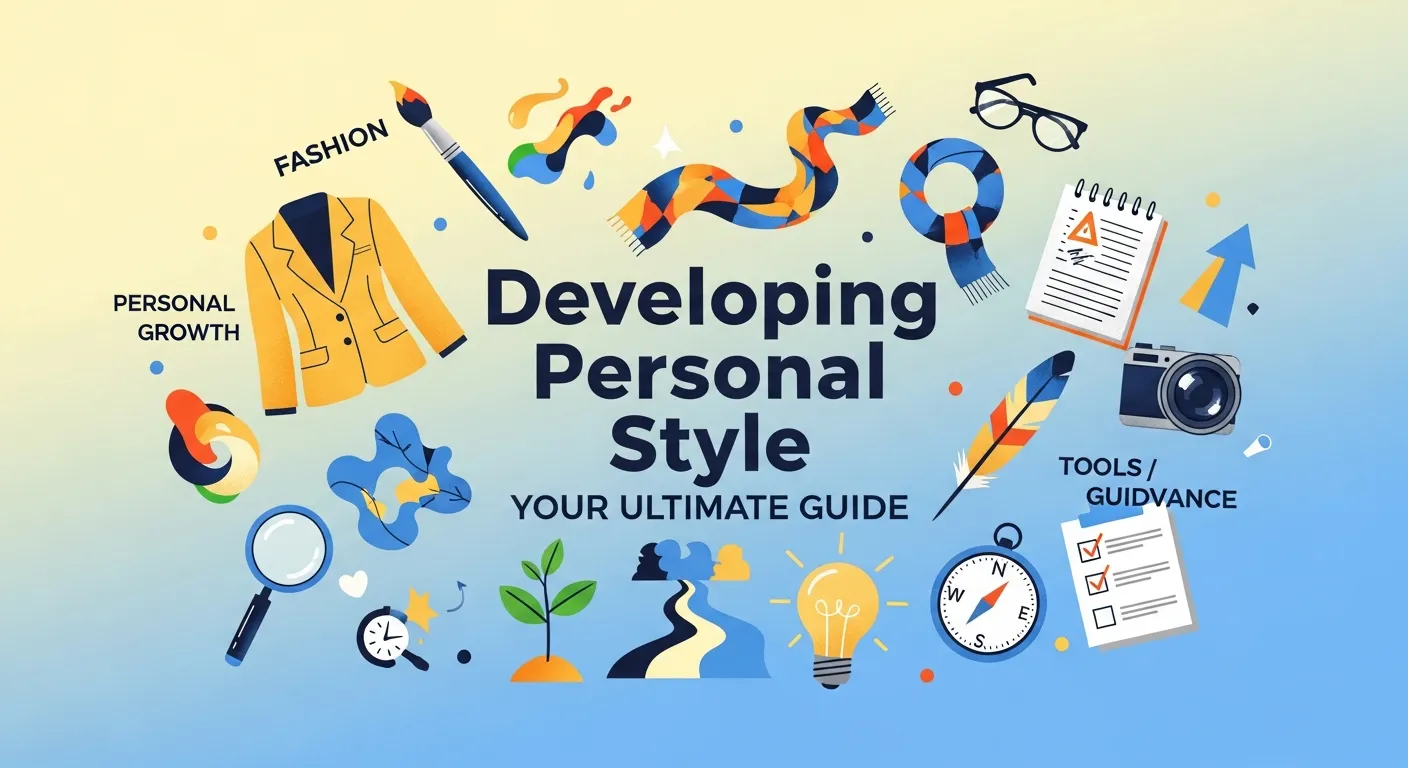
Developing personal style is a journey of self-expression that reflects personality, lifestyle, and values. It builds confidence, simplifies dressing, and evolves over time through intentional choices, wardrobe essentials, and authentic fashion identity.
Developing personal style goes far beyond merely picking out trendy outfits or mimicking popular influencers. It is the profound art of expressing exactly who you are without ever needing to speak a single word. Your personal fashion style acts as a direct reflection of your inner personality, daily lifestyle, core values, and even your current mindset. It is a highly powerful form of fashion self-expression that naturally evolves and shifts over time as you grow and experience life.
Countless people find themselves struggling with defining their style identity because they feel completely overwhelmed by endless retail options, fleeting micro-trends, and heavy societal expectations. However, the honest truth is that developing personal style is not a magical discovery you make overnight. Instead, it is a purposeful, highly intentional structure you build from the ground up.
In this comprehensive guide, we will explore exactly how you can begin developing a personal style that feels deeply authentic, highly practical, and uniquely tailored to you.
What Is Personal Style?
When we talk about personal fashion style, we refer to the consistent, recognizable way you choose to present yourself to the world through clothing, accessories, grooming routines, and overall aesthetic choices. Developing personal style is never about perfectly copying someone else’s aesthetic. Instead, it focuses heavily on creating a cohesive look that perfectly aligns with your true style identity.
Think of this process as crafting your unique visual signature. Whenever someone sees you, your clothing tells an immediate story. It might communicate that you are minimal and highly organized, bold and deeply expressive, or completely relaxed and wonderfully effortless. True fashion self-expression allows you to communicate your inner world to the outer world effortlessly.
Personal Style and Self-Esteem
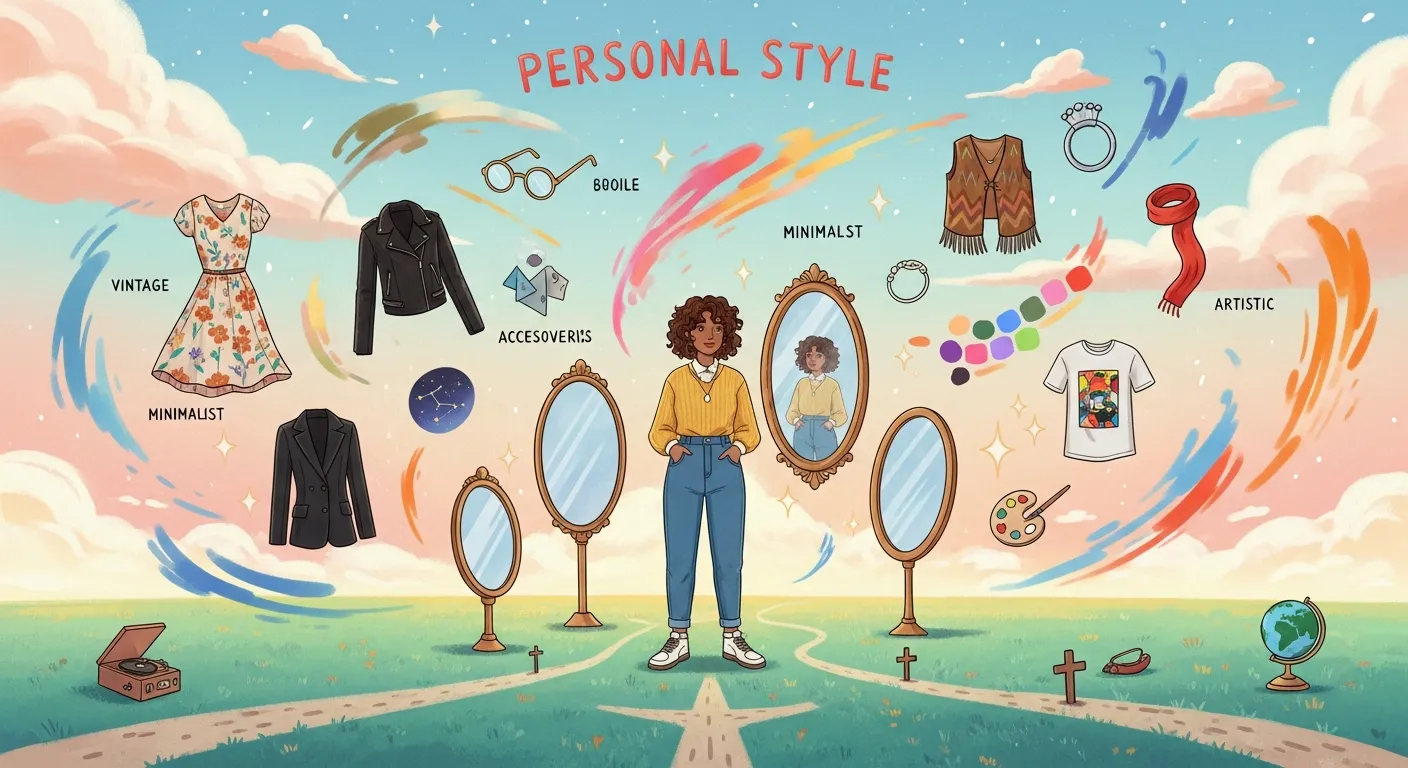
Fashion plays a major role in shaping your confidence and boosting your mood. When you wear something that truly aligns with your style identity, it’s almost as if you’ve put on invisible armor. You walk taller, interact more freely, and project a deeper sense of self-assurance. This isn’t just about vanity—developing personal style is strongly linked to positive mental health, self-acceptance, and emotional well-being.
The Evolution of Style Identity
Your personal style is not static. It changes as your experiences, environment, and interests evolve. For example, someone who leans towards bohemian aesthetics in their twenties may gravitate to clean-cut classics in their thirties as their values and lifestyle shift. Embracing this evolution is a key part of mastering fashion self-expression.
Why Developing Personal Style Matters
Taking the time and energy to develop personal style provides incredible benefits that extend far beyond mere physical appearance. When you establish a clear style identity, you fundamentally change how you interact with the world around you.
Boosts Daily Confidence
When you feel truly excellent in what you wear, that inner satisfaction immediately shows on the outside. Developing personal style ensures you step out the door feeling ready to conquer the day.
Saves Significant Time and Money
A strong style identity means you permanently eliminate random, impulsive retail purchases. You completely avoid frustrating outfit confusion in the morning because everything you own works together perfectly.
Real-Life Example
Consider Jane, a busy professional who used to spend hours each week shopping for trends but often found herself with a cluttered closet and “nothing to wear.” After investing time in developing a personal style that revolves around smart-casual, she now effortlessly puts together outfits, saves money, and feels confident every single day.
Strengthens Your Personal Identity
Through fashion self-expression, you become intensely aware of your exact preferences. You quickly learn what works for you and what does not, cementing your understanding of yourself.
Improves Critical First Impressions
Whether you like it or not, your personal fashion style plays a massive role in exactly how other people perceive you during first interactions. Intentional choices lead to significantly better first impressions.
The Culture of Developing Personal Style
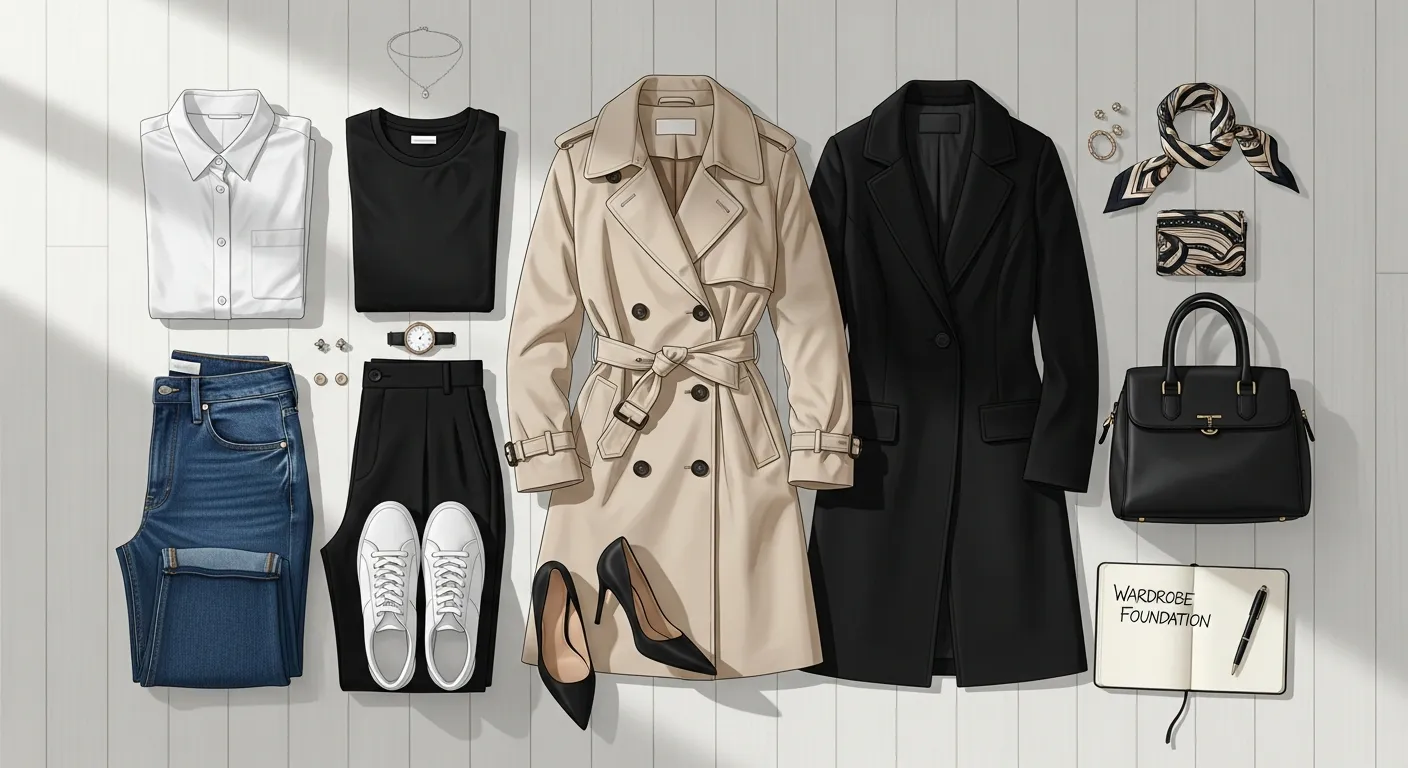
Diving into the culture around developing personal style reveals how communities create and share their own sartorial codes. What’s considered essential wardrobe essentials in one culture may differ vastly in another, but the art of expressing your personality through clothing transcends borders.
How Global Trends Influence Style Identity
Thanks to the influence of social media, runway shows, and global icons, developing personal style today pulls inspiration from a more diverse palette than ever before. A streetwear enthusiast in Tokyo can inspire a minimalist in Berlin to experiment with layering, while a classic Parisian look can start trending in New York via Instagram.
Local Adaptations
Personal style thrives on adaptation. Adapting trends to suit local weather, cultural context, or body type ensures your style identity remains authentic and practical.
11 Steps to Developing Personal Style
Instead of frantically chasing every new trend that appears on your feed, you must start making highly intentional, careful choices. Follow these comprehensive steps to begin developing personal style.
Step 1: Understand Yourself First
Before you even think about buying a single new item of clothing, take a massive step back and seriously evaluate exactly who you are right now. Developing personal style requires deep self-reflection.
Important Questions to Ask Yourself:
- What kind of daily lifestyle do I actually have right now?
- What specific color palettes do I naturally gravitate toward?
- What specific outfits make me feel incredibly confident?
- What clothing items do I actively avoid wearing, and exactly why?
Your personal fashion style absolutely must align seamlessly with your actual daily life. There is absolutely no point in building an extravagant wardrobe full of formal wear if it does not fit your relaxed, work-from-home routine.
Step 2: Find Inspiration (But Do Not Copy)
Inspiration helps you gently discover exciting new possibilities, but blindly copying someone else severely limits your originality. Developing personal style relies on gathering ideas without losing your style identity.
Where to Look for Inspiration:
- Visual social media platforms
- High-quality fashion blogs
- Classic movies and modern television shows
- Stylish, real people you see walking around your city
Creating a Visual Mood Board
Curate a mood board by collecting magazine cutouts, screenshots, or online pins that truly resonate with you. Over time, patterns will emerge that reveal your true style leanings. Refer to your board whenever you feel stuck or uninspired.
Step 3: Define Your Style Keywords
One of the absolute most effective methods for developing personal style involves carefully defining three to five specific keywords that perfectly describe your desired look.
Common Style Keyword Examples:
- Minimal
- Bold
- Elegant
- Casual
- Edgy
Write these on a card and keep them in your wallet or phone. When shopping or curating outfits, ask if a piece matches your keywords.
Step 4: Audit Your Current Wardrobe
Before acquiring any new clothing, you must thoroughly evaluate exactly what you already own. Developing personal style requires you to confront your current fashion choices head-on.
Practical Tips for Wardrobe Audits
- Take everything out and sort into clear piles.
- Photograph your favorite and least-worn items.
- Note which patterns, fabrics, and silhouettes dominate your closet—these are clues to your style identity.
Ask yourself why you wear certain items frequently and why you completely avoid others. You will very quickly identify concrete patterns regarding the fits, fabrics, and colors you actually prefer.
Step 5: Build a Strong Foundation
Every successful personal fashion style desperately needs a highly solid base. These foundational items are your core wardrobe essentials that reliably work in multiple different outfits.
Key Wardrobe Essentials to Consider:
- Perfectly well-fitted denim jeans
- High-quality, neutral-colored t-shirts
- Classic, crisp button-down shirts
- Incredibly comfortable, versatile everyday shoes
- Simple, highly structured outerwear pieces
See this guide to wardrobe essentials for more suggestions.
Step 6: Focus Heavily on Fit Over Trends
One of the absolute biggest mistakes people make when developing personal style is heavily prioritizing fleeting trends over proper, flattering fit. No matter how incredibly stylish a specific piece might be, if it does not fit your body well, it will never look good.
Get to know a local tailor. A slight adjustment in the waist, sleeves, or length can turn an average piece into a favorite.
Step 7: Develop a Visual Signature Look
A strong signature look makes your personal fashion style instantly recognizable to everyone around you. This firmly cements your style identity in the minds of others.
Tips for Creating Your Signature
- Identify one element (like hats, scarves, a favorite color, or a particular shoe style) that becomes your “trademark.”
- Rotate this element through each outfit for consistency and identity.
- Reference inspiration from icons—think Anna Wintour’s bob haircut or Steve Jobs’ black turtlenecks.
Step 8: Experiment Completely Without Fear
Developing personal style absolutely requires significant trial and error. You cannot discover your true style identity without taking a few calculated risks along the way.
How to Experiment Safely
- Try “style challenges” such as wearing a color outside your comfort zone for a week.
- Swap clothes with a friend whose taste you admire.
- Visit vintage or thrift shops to explore low-risk alternatives to trends.
Step 9: Avoid the Fast Fashion Mindset
Buying significantly more clothes will never instantly improve your personal fashion style. Buying the exact right clothes, however, absolutely will. Developing personal style means rejecting mindless consumption.
Sustainable Style Tips
- Invest in multi-seasonal pieces.
- Prioritize eco-friendly or ethical brands when possible.
- Use shopping “pause” rules—wait 48 hours after spotting something new before purchasing.
Step 10: Pay Close Attention to Details
Extremely small details can dramatically elevate your entire overall look. Fashion self-expression lives in the tiny nuances of how you present yourself daily.
- Keep shoes cleaned and polished.
- Update buttons and hardware on jackets or coats.
- Accessorize with intention: a watch, subtle jewelry, or a signature scent can become your calling card.
Step 11: Evolve Your Style Identity Over Time
Your personal fashion style is never rigidly fixed in place forever. It naturally changes and adapts as your actual life changes. Developing personal style is a lifelong endeavor.
When to Re-Evaluate
- After major life changes: new job, moving city, significant weight change, or entering a different stage of life.
- At the start of each season, review your wardrobe essentials and refresh as needed.
The Psychology Behind Developing Personal Style
Developing personal style is about more than just appearances—it’s about embracing your best self and influencing your emotional state.
Clothing and Mood
Research shows that what you wear can boost your mood, impact productivity, and help you feel more powerful. When developing your personal style, think about how certain colors, textures, or fits make you feel.
- Blue: often inspires calm and trust.
- Red: evokes energy and confidence.
- Soft fabrics: may offer comfort and relaxation.
Body Positivity and Fashion Self-Expression
Style is for everybody—literally. No matter your body type or size, there are strategies and options for developing personal style. Focus on what makes you feel amazing rather than adhering to restrictive trends.
- Tailor pieces to flatter your best features.
- Choose silhouettes that align with your comfort and body shape.
- Ignore “rules” that no longer serve, and experiment to find your best looks.
Minimalism vs. Expression
When actively developing personal style, some people naturally prefer a highly minimalist wardrobe, while others thoroughly enjoy bold, loud fashion self-expression. Neither approach is objectively better—it completely depends on your exact personality.
|
Feature |
Minimalist Style |
Expressive Style |
|---|---|---|
|
Color Palette |
Mostly neutral tones (black, white, beige, navy) |
Bright, bold colors and high-contrast combinations |
|
Patterns |
Solid colors, very subtle textures |
Loud prints, mixing patterns, heavy graphics |
|
Wardrobe Essentials |
High reliance on basic, versatile core items |
Statement pieces that stand out individually |
|
Vibe |
Clean, simple, deeply timeless, effortless |
Unique, attention-grabbing, highly creative |
Always choose the specific path that feels genuinely right for you rather than simply choosing what currently looks popular on social media.
Creating a Daily Style System
To make your daily life significantly easier, create a very simple, repeatable style system. Developing personal style should reduce your stress, not increase it.
How to Build Your Daily System
- Plan outfits for the week every Sunday with weather and activities in mind.
- Keep a digital style diary or photo album to track which outfits you love.
- Streamline laundry and wardrobe management for optimal outfit rotation.
Always choose your exact outfits the night before to save morning time. Stick firmly to a highly consistent color palette so everything matches easily. Regularly rotate your core wardrobe essentials to keep things feeling fresh. Keep your physical wardrobe highly organized so you can actually see what you own.
Navigating Personal Style Through Different Life Stages
Student Life
Casual, comfortable, and budget-friendly options often work best—think layered basics, affordable sneakers, and bags that carry it all.
New Professional
Building style identity in your career might mean adding sharper tailoring and subtle accessories, while keeping elements of your casual roots.
Parenthood
Comfort, practicality, and machine-washable fabrics become essential. Capsule wardrobes can save time while keeping your look cohesive.
Later Adulthood
Many find confidence in timeless pieces, bold accessories, and styles that signal wisdom and ease.
Embracing Fashion Self-Expression with Confidence
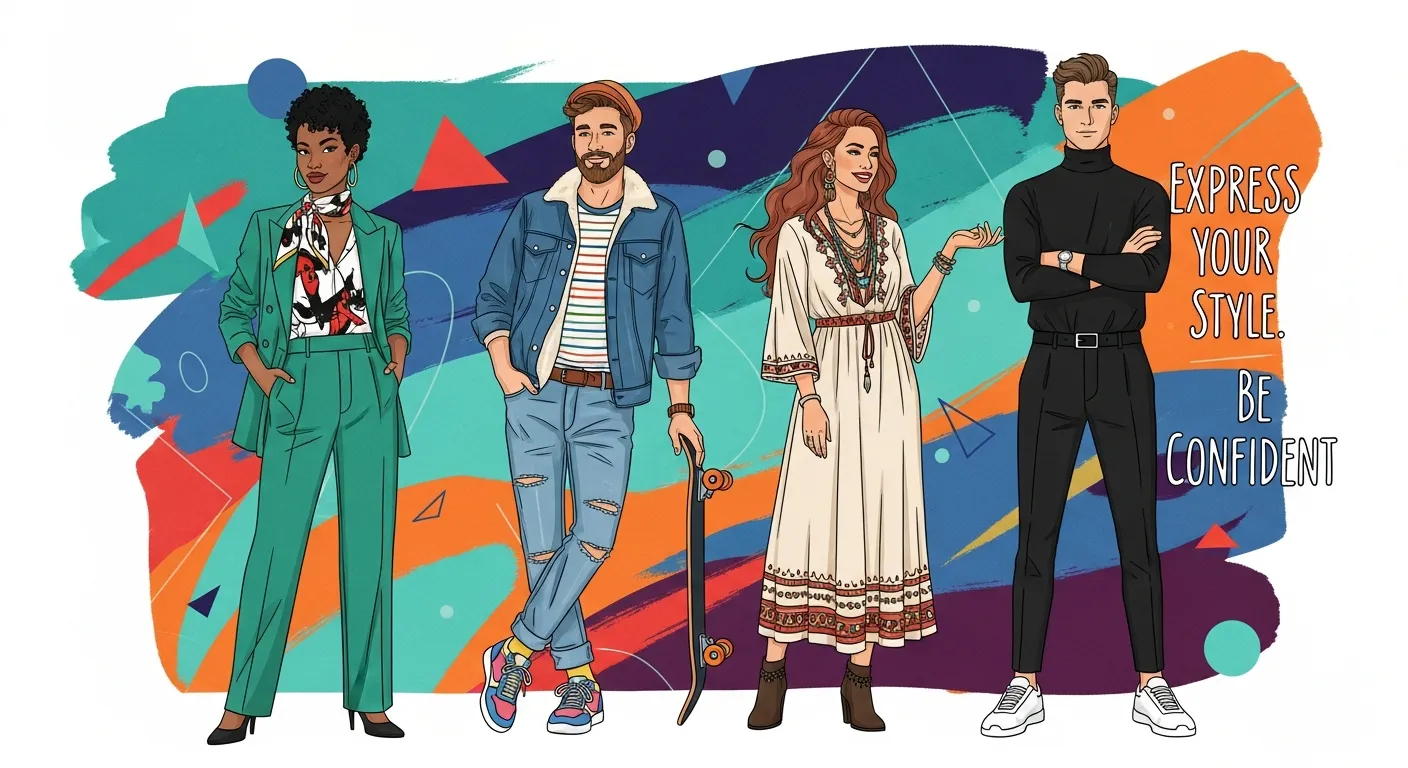
The journey of developing personal style is personal and dynamic. Revel in the process: take selfies, note what makes you smile, and seek feedback from trusted friends. Celebrate each small win—maybe it’s a compliment or just feeling at ease in your outfit. Most importantly, approach the process as an ongoing exploration.
“Style is a way to say who you are without having to speak.” – Rachel Zoe
Frequently Asked Questions
What is the first step in developing personal style?
The absolute first step in developing personal style is deeply understanding your current lifestyle and daily needs. You must evaluate what activities fill your days to ensure your clothing choices are actually practical. Without this vital foundation, you risk buying beautiful clothes that you never have the right occasion to wear.
How do I find my true style identity?
You find your true style identity by auditing your current closet to see which specific items you naturally wear the most. Looking for recurring patterns in the colors and fits you prefer helps solidify your unique fashion preferences. Defining three to five distinct style keywords also acts as a brilliant guide for your identity.
What are considered key wardrobe essentials?
Key wardrobe essentials are highly versatile, foundational pieces that serve as the building blocks for countless different outfits. These typically include well-fitted jeans, neutral t-shirts, classic outerwear, and comfortable, durable footwear. Investing heavily in these core items makes daily dressing significantly easier and faster.
How can I improve my personal fashion style on a budget?
You can easily improve your personal fashion style on a budget by focusing heavily on clothing fit rather than expensive designer brand names. Getting affordable pieces tailored to your exact body shape instantly makes them look incredibly premium and expensive. Additionally, buying high-quality secondhand items is a fantastic way to elevate your wardrobe for less.
Why is fashion self-expression so important?
Fashion self-expression remains incredibly important because it is a highly powerful form of non-verbal communication that shows the world exactly who you are. It allows you to visually project your internal values, personality, and current mood without speaking. This authentic visual representation builds massive internal confidence.
Can my style identity change over time?
Yes, your style identity absolutely can and should change naturally over time as you grow and experience different phases of life. What you wore confidently in college likely will not suit your professional career or shifting personal tastes later on. Allowing your style to slowly evolve is a normal, healthy part of personal growth.
How do I stop buying clothes I never actually wear?
You stop buying unworn clothes by strictly avoiding the toxic fast fashion mindset and heavily resisting impulsive trend-based purchases. Before checking out, force yourself to name at least three different outfits you can create using this new item alongside your current wardrobe essentials. If you cannot do this, do not buy the item.
Does tailoring really make a big difference in personal style?
Tailoring makes an absolutely massive, undeniable difference in developing personal style because proper fit is the core secret to looking put-together. Even the most incredibly expensive, stylish garment will look terrible if it pulls, sags, or bunches awkwardly on your frame. A good tailor is your most valuable style asset.
Where can I find more resources on getting a better look?
You can find amazing inspiration by studying the way stylish people in your city put their daily outfits together. You can also read high-quality digital guides regarding getting a better style to refine your visual presentation. Combining real-world observation with expert advice yields the best results.
Is developing personal style only for people interested in fashion?
Developing personal style is absolutely for everyone, regardless of whether they follow high fashion runways or major design trends. Every single person must get dressed every day, meaning everyone constantly projects a visual message to the world. Taking control of that message simply makes your daily life better and more intentional.
Final Thoughts
Developing personal style is a beautiful, lifelong journey of constant self-discovery. It is definitely not about achieving impossible perfection—it is heavily about embracing pure authenticity.
You absolutely do not need a massively overflowing wardrobe or extremely expensive luxury brands to look incredibly stylish every day. What you actually need is crystal clarity, deep intention, and soaring confidence in your personal fashion style choices. Focus heavily on your core wardrobe essentials, practice honest fashion self-expression, and allow your style identity to flourish.
Start very small. Pay incredibly close attention to what actually feels right on your body. Refine your choices over time. Eventually, your personal fashion style will become incredibly effortless—a beautiful, natural extension of exactly who you truly are.
