


In today’s digital landscape, the concept of clothing has evolved well beyond mere aesthetics or basic protection. Smart fabrics and wearable technology are at the forefront of a paradigm shift, redefining how garments interact with our bodies, environments, and digital ecosystems. Currently, a blend of high-performance textile engineering and miniaturized electronics is fueling innovations that were once considered science fiction. From temperature-regulating athletic wear to health-monitoring patches that seamlessly communicate with smartphone apps, the capabilities of these intelligent materials are expanding rapidly. This year (2026), the global wearable tech market continues to grow, driven by consumer demand for personalized, data-driven experiences and by brands seeking to stand out in a crowded fashion industry.
This comprehensive article unpacks the journey of smart fabrics and wearable technology—from their humble beginnings in material science labs to widespread commercial applications. We will explore the key technologies powering these advances, examine real-world use cases in health, safety, and style, and highlight the strategic advantages for both consumers and brands. Alongside the benefits, we’ll address the challenges of durability, power management, privacy, and regulation. Finally, we’ll look ahead at emerging trends that promise to shape the next wave of innovation, ensuring that readers are equipped with insights to navigate and embrace this rapidly evolving frontier.
The Evolution of Smart Fabrics and Wearable Technology
The roots of smart fabrics and wearable technology date back to early textile research in the 1980s, when pioneers began experimenting with conductive threads and rudimentary sensors. These initial efforts, often confined to academic laboratories, set the stage for decades of interdisciplinary collaboration among material scientists, electrical engineers, and software developers. By the turn of the century, moisture-wicking performance fabrics and UV-protective coatings had already entered mainstream athletic and outdoor apparel, demonstrating that functional enhancements could coexist with consumer-friendly designs.
In recent years, breakthroughs in nanotechnology and flexible electronics have accelerated progress. Phase-change materials (PCMs) that absorb and release heat with astonishing precision began appearing in specialized clothing, offering microclimate control to outdoor enthusiasts and industrial workers alike. Concurrently, the integration of microelectromechanical systems (MEMS) and miniaturized batteries has enabled the embedding of biosensors directly into textile fibers. As a result, smart garments can now continuously monitor biometric data—such as heart rate variability, respiration patterns, and hydration levels—and relay insights in real time through wireless protocols like Bluetooth Low Energy (BLE).
Beyond performance fabrics, the rise of self-healing polymers and stretchable circuits has addressed long-standing durability issues. These innovations ensure that embedded electronics survive repeated wash cycles and everyday wear, a crucial factor in achieving consumer acceptance. Additionally, research institutions such as the National Institute of Standards and Technology (NIST) have established guidelines for testing e-textiles, helping manufacturers meet safety and quality standards. With academia and industry collaborating more closely than ever, smart fabrics are transitioning from niche prototypes to scalable, commercially viable products.
Core Technologies Behind Smart Fabrics and Wearable Technology

At the heart of this revolution lie several enabling technologies that collectively unlock new garment functionalities. Understanding these components is essential for designers, innovators, and end-users who seek to harness the full potential of wearable tech.
Conductive Yarns and Fibers
Conductive yarns, typically woven from metal-coated or carbon-based fibers, provide pathways for electrical signals without the bulk of traditional wiring. These threads maintain flexibility and softness, ensuring that textiles retain their tactile comfort. By strategically routing conductive lines through a garment’s structure, designers can integrate heating elements, sensors, and data buses without compromising fit or breathability.
Microelectromechanical Systems (MEMS)
MEMS devices are microscopic sensors and actuators that detect physical phenomena—such as pressure, motion, and temperature—and convert them into electrical signals. Embedded within fabrics, MEMS modules can track body posture, monitor joint movement for rehabilitation applications, or measure ambient conditions to trigger adaptive behaviors in the material.
Phase-Change Materials (PCMs)
Phase-change materials absorb and release latent heat as they transition between solid and liquid states. When incorporated into fibers or coatings, PCMs automatically regulate temperature by storing excess heat when the body warms up and releasing it as temperatures drop. This passive thermal management enhances wearer comfort and reduces reliance on active heating or cooling systems.
Nanocoatings and Smart Finishes
Advances in nanocoating technology allow fabrics to gain water repellency, stain resistance, antimicrobial properties, and UV protection without altering the textile’s hand feel. These ultra-thin layers can also host responsive molecules that change color or texture in response to environmental triggers, adding a dynamic aesthetic dimension.
Wireless Connectivity and Power Solutions
Seamless data transmission is enabled by low-energy wireless protocols such as BLE and Near Field Communication (NFC). Meanwhile, energy harvesting techniques—ranging from flexible solar panels to piezoelectric fibers that generate power from movement—are emerging as alternatives to traditional batteries. Integrating power solutions directly into textiles addresses one of the biggest hurdles in wearable tech: maintaining autonomy without frequent recharging.
Real-World Applications of Smart Fabrics and Wearable Technology
As smart fabrics and wearable technology mature, they are finding diverse applications across health, safety, fashion, and sustainability. Below are some of the most impactful use cases transforming daily life.
Health and Wellness Monitoring
Medical-grade smart shirts equipped with ECG sensors are currently used in telemedicine and remote patient monitoring. These garments continuously record cardiac activity, alerting healthcare providers to irregular heart rhythms or stress markers. Similarly, smart socks embedded with pressure sensors can analyze gait patterns to predict foot ulcers in diabetic patients. Such innovations are supported by research from institutions like the National Institutes of Health (NIH), which funds studies on wearable diagnostics that improve clinical outcomes.
Adaptive Climate Control Apparel
Outdoor enthusiasts and military personnel benefit from jackets that adapt insulation levels based on real-time temperature and humidity readings. Phase-change microcapsules within the lining adjust heat retention, while miniature fans or thermoelectric modules can activate during extreme conditions. This dynamic thermal management reduces the need for multiple layered outfits, streamlining mobility and user comfort.
Enhanced Safety Gear
Construction workers, cyclists, and first responders are adopting high-visibility vests with integrated LED strips and proximity sensors. These wearables issue optical and haptic alerts when vehicles or heavy machinery approach, reducing the risk of accidents in low-light or noisy environments. Smart helmets with heads-up displays are also emerging, delivering critical information—like navigation prompts or sensor readings—directly within the user’s line of sight.
Dynamic Fashion and Personal Expression
Designers are leveraging RGB fiber optics and programmable microcontrollers to produce garments that change color or patterns on demand. From runway performances to interactive art installations, these pieces blend fashion with digital storytelling, offering wearers the ability to alter their look via mobile apps or gestural interfaces.
Sustainable Textiles and Circular Solutions
Eco-conscious brands are developing fabrics that monitor environmental pollutants and degrade into compostable residues at end of life. These materials incorporate embedded RFID tags to track product lifecycle data, enabling closed-loop recycling and minimizing waste. By aligning smart textile innovation with circular economy principles, the fashion industry can drastically reduce its environmental footprint.
Advantages for Consumers and Brands in Today’s Market
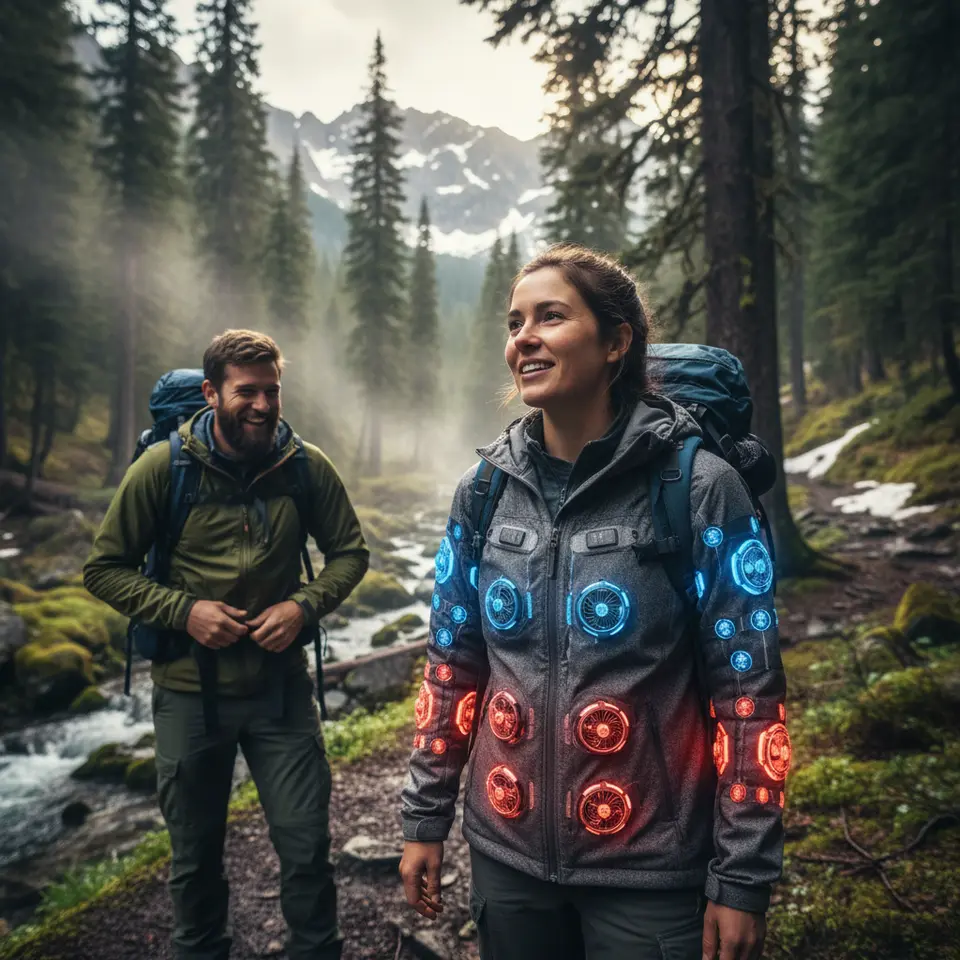
The integration of smart fabrics and wearable technology delivers compelling benefits for end-users and companies alike, creating new avenues for engagement and differentiation.
Enhanced Functionality and Comfort
Garments that adapt to physiological signals and environmental conditions provide personalized comfort and support. Whether it’s a sports bra that adjusts compression based on activity level or a business suit that manages moisture during extended meetings, these innovations enhance daily performance and well-being.
Customization and User Control
Through companion apps, consumers can personalize color schemes, adjust thermal thresholds, or set workout targets. This level of control fosters stronger emotional connections between users and their wardrobes, driving brand loyalty and repeat purchases.
Data-Driven Design and Insights
Brands gain access to anonymized usage analytics—such as wear duration, movement patterns, and environmental exposures—which inform future product iterations. This iterative, evidence-based approach accelerates innovation cycles and reduces the risk of market failures.
Sustainability and Lifecycle Optimization
Longer-lasting, multifunctional garments minimize overconsumption and textile waste. Smart labels and tracking systems also support product recycling and refurbishment programs, reinforcing a brand’s eco-friendly credentials in the eyes of socially conscious consumers.
Market Differentiation and Brand Positioning
Early movers in the wearable-tech space capture media attention and establish themselves as innovation leaders. Collaborations with technology partners and research institutions further enhance credibility and open doors to new customer segments.
Navigating Challenges and Embracing Future Trends
Despite rapid progress, smart fabrics and wearable technology face several challenges that must be addressed to achieve widespread adoption. Concurrently, emerging trends are poised to drive the next phase of growth.
Durability and Washability
Ensuring that sensors, conductive elements, and power modules survive repeated laundering is a top priority for manufacturers. Solutions such as detachable electronics and encapsulation techniques help protect delicate components without compromising garment flexibility.
Power Management and Energy Harvesting
Balancing battery life with comfort and aesthetics remains a technical hurdle. Innovations in flexible batteries, solar textile panels, and piezoelectric energy harvesters promise to extend operational cycles, reducing the need for manual recharging.
Data Privacy and Security
As wearables collect sensitive health and location data, robust encryption protocols and transparent user consent frameworks are essential. Brands must adhere to regulatory standards and implement secure data handling practices to maintain consumer trust.
Cost and Scalability
Advanced smart textiles often come with premium price tags. To achieve mainstream penetration, producers are exploring economies of scale, modular component designs, and licensing partnerships that lower manufacturing costs and broaden accessibility.
Regulatory and Standardization Hurdles
Varying international regulations for electronics and medical devices complicate cross-border distribution. Efforts by standard-setting bodies aim to harmonize testing protocols and certification processes, paving the way for smoother global market entry.
Future Trends to Watch
Looking ahead, several trends are set to shape the evolution of smart fabrics and wearable technology. Biometric integration will deepen, with garments tracking stress hormones, hydration levels, and blood oxygen saturation. Eco-responsive textiles that adjust filtering or UV protection in polluted or high-ozone environments will offer proactive health safeguards. Modular designs will enable users to swap out sensor packs or power units, extending garment longevity and reducing electronic waste. Mass customization powered by AI-driven platforms will deliver tailor-made smart apparel at scale, matching individual measurements and aesthetic preferences. Finally, collaborative ecosystems—linking fashion houses, tech startups, and research centers—will foster cross-industry innovations and accelerate time-to-market for breakthrough products.
FAQ
What are smart fabrics and how do they work?
Smart fabrics integrate electronic components—such as sensors, conductive yarns, and actuators—directly into textile structures. These materials can detect stimuli (like temperature, moisture, or movement), process signals, and respond by lighting up, heating, or transmitting data to connected devices.
Are smart garments washable and durable?
Many modern e-textiles are designed with durability in mind, using encapsulation techniques, detachable electronic modules, and self-healing polymers to withstand repeated wash cycles. Proper care instructions and specialized laundry processes also help extend garment lifespan.
How is data privacy handled with wearable technology?
Wearable devices often collect personal health and location data, so brands implement encryption, secure storage, and transparent consent frameworks. Compliance with regulations like GDPR and HIPAA ensures that user information remains protected.
What future applications can we expect from wearable textiles?
Future innovations may include biometric garments that monitor stress hormones, UV-responsive fabrics that adapt to pollution levels, and modular smart apparel with interchangeable sensor packs. Advances in AI-driven customization and circular economy models will further expand possibilities.
Conclusion
Smart fabrics and wearable technology represent a transformative frontier in fashion and functionality. By merging responsive materials, embedded electronics, and data analytics, these innovations deliver personalized comfort, health monitoring, safety, and sustainability benefits. Consumers gain unprecedented control over their apparel experience, while brands unlock powerful insights and differentiation in a competitive marketplace. Though challenges around durability, power management, privacy, and regulation persist, advances in materials science and cross-industry collaboration are steadily overcoming these barriers. In today’s dynamic digital environment, embracing smart textiles is not just an option—it’s a strategic imperative for forward-thinking designers, manufacturers, and consumers alike. Start exploring the possibilities of this revolutionary domain today, and position yourself at the vanguard of the next fashion frontier.
