

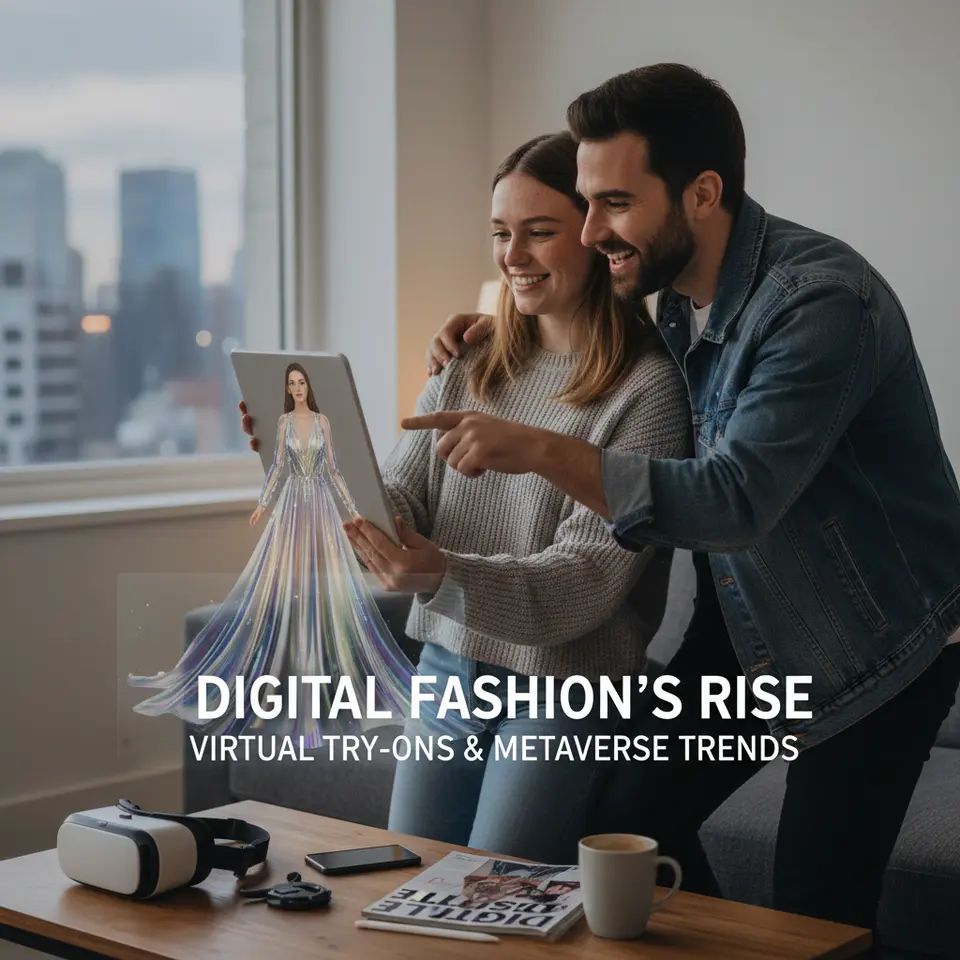
Digital fashion is transforming the industry through 3D design, AI, AR try-ons, NFTs, and metaverse experiences. It enhances personalization, sustainability, and global accessibility while creating new revenue streams and redefining how consumers interact with style.
Digital fashion has emerged as a transformative force that redefines how individuals discover, interact with, and purchase apparel. Fueled by rapid advances in 3D modeling, artificial intelligence, and augmented reality, this innovative approach allows garments to exist solely on screens. Consumers can experiment with looks via smartphones, desktops, and immersive headsets. As online retail accelerates, virtual try-ons, smart mirrors, and AR filters bridge the gap between e-commerce convenience and in-store confidence.
Currently, digital fashion extends beyond mere visualization. Blockchain-secured NFTs authenticate ownership and scarcity of virtual wearables. Simultaneously, metaverse fashion platforms host global runway events for customizable avatars. These initiatives spawn new revenue streams, bolster sustainability by minimizing physical sampling, and foster community-driven engagement. Brands of all sizes are pivoting to digital wardrobes and interactive showrooms, reflecting a broader shift toward experiential retail and personalized style journeys.
Stakeholders recognize that digital fashion is not a passing fad but a core pillar of future growth. By embracing virtual storefronts, digital wardrobes, and interactive platforms, companies connect with audiences across borders in real time. Over the following sections, we examine the foundational concepts behind digital fashion, survey its most impactful innovations, and offer actionable insights for brands poised to join the virtual style revolution.
Defining Digital Fashion in Modern Retail
Digital fashion encompasses garments, accessories, and couture that exist purely in virtual form. Unlike traditional clothing, which relies on physical fabrics and manufacturing, designers craft these items using digital design software. Consumers then experience them through screens or immersive environments. This shift marks one of the most significant fashion trends of the decade and continues to set the tone for innovation across every level of the apparel industry.
3D Modeling and Rendering Capabilities
Advanced 3D tools enable designers to sculpt fabrics, textures, and silhouettes with photorealistic precision. Programs such as Clo3D, Marvelous Designer, and Blender allow for dynamic draping, pattern simulation, and color variation. Designers accomplish all this without producing a single physical sample, significantly reducing waste and cost.
The Role of Material Simulation
Material simulation within 3D modeling ensures that digital fabrics behave like their physical counterparts. Silk drapes smoothly, while heavy denim holds its rigid shape. This realism is essential for convincing consumers to invest in digital fashion. Today’s technology even allows for the simulation of garment movement, offering a near-tactile experience through screens and headsets.
Artificial Intelligence–Driven Design Processes
Machine learning algorithms analyze fashion trends, consumer preferences, and historic style data to generate novel patterns, prints, and silhouettes. By automating repetitive tasks, AI accelerates creative exploration. It helps brands respond swiftly to emerging tastes in both physical and metaverse fashion.
How AI is Transforming the Creative Process
- Rapid generation of new patterns based on historical data.
- Customization for micro-trends and individual consumer preferences.
- Improved efficiency in predicting seasonal and geographical style shifts.
Augmented and Virtual Reality Integration
AR and VR technologies provide immersive interfaces for consumers to engage with digital wearables. Whether through mobile apps, tablets, or dedicated headsets, users can view, rotate, and animate garments in real time. They experience realistic lighting and fit simulations that make digital fashion feel tangible, further shaping fashion trends in both digital and physical spheres.
The Experience of Immersion
Imagine virtually stepping into a boutique where every item you see is tailored to your preferences. AR mirrors project digital jackets on your reflection, and VR environments let you attend fashion shows from home. These technologies are quickly becoming the backbone of digital fashion retail strategies.
Virtual Try-Ons: Bridging Online and In-Store Experiences
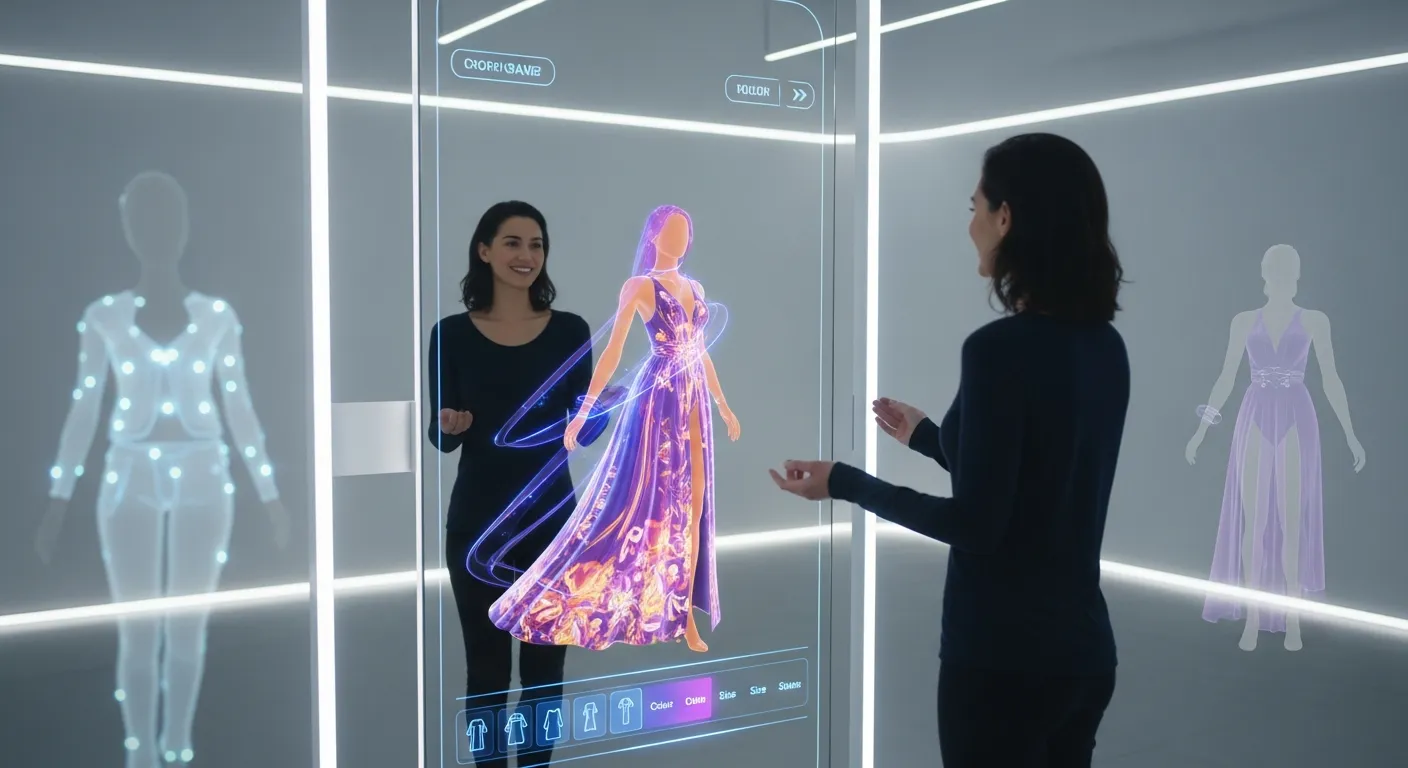
Virtual try-ons marry the convenience of online shopping with the experiential assurance of physical fitting rooms. By overlaying digital garments onto live camera feeds, these tools help customers visualize fit, scale, and style before committing to a purchase. Virtual try-ons are rapidly becoming standard practice for forward-thinking retailers, shaping how brands interact with the modern consumer.
The Power of AR Filters and Mobile Apps
Social media platforms like Instagram and Snapchat have popularized AR filters that let users “wear” digital outfits, eyewear, and makeup in real time. Brands integrate shopping links directly into these filters. This integration creates seamless transitions from exploration to checkout, reducing friction in the buyer journey. These virtual try-ons not only enrich user experience but also provide valuable feedback for brands.
Benefits of AR Filters:
- Enhance brand visibility through social sharing.
- Lower cart abandonment rates.
- Personalize recommendations based on filter interactions.
3D Body-Scanning Technologies
Retailers are adopting 3D scanning kiosks and smartphone-based scanning apps to capture precise body measurements. Shoppers can create personalized digital avatars, ensuring that virtual garments conform accurately to individual shapes. This level of customization enhances confidence in online orders and drives down return rates, building a stronger relationship between brand and consumer.
Industry Adoption:
Major fashion retailers are rolling out in-store scanning stations while e-commerce platforms integrate body-scan functionality, bringing digital fashion and fashion trends closer to the customer than ever.
Smart Mirrors Transforming Physical Boutiques
Physical boutiques are installing interactive mirrors equipped with AR overlays. Customers step into changing areas and toggle through styles, colors, and sizes without trying on multiple physical items. These smart installations merge tactile feedback with digital versatility. Virtual try-ons in physical stores represent the ultimate convergence of physical and digital retail, making shopping more convenient and engaging.
The Smart Mirror Advantage:
- Reduces store congestion and speeds up shopping.
- Encourages upselling based on in-the-moment recommendations.
- Gathers data on style preferences, informing future collections.
NFTs and Blockchain-Enabled Fashion Trends
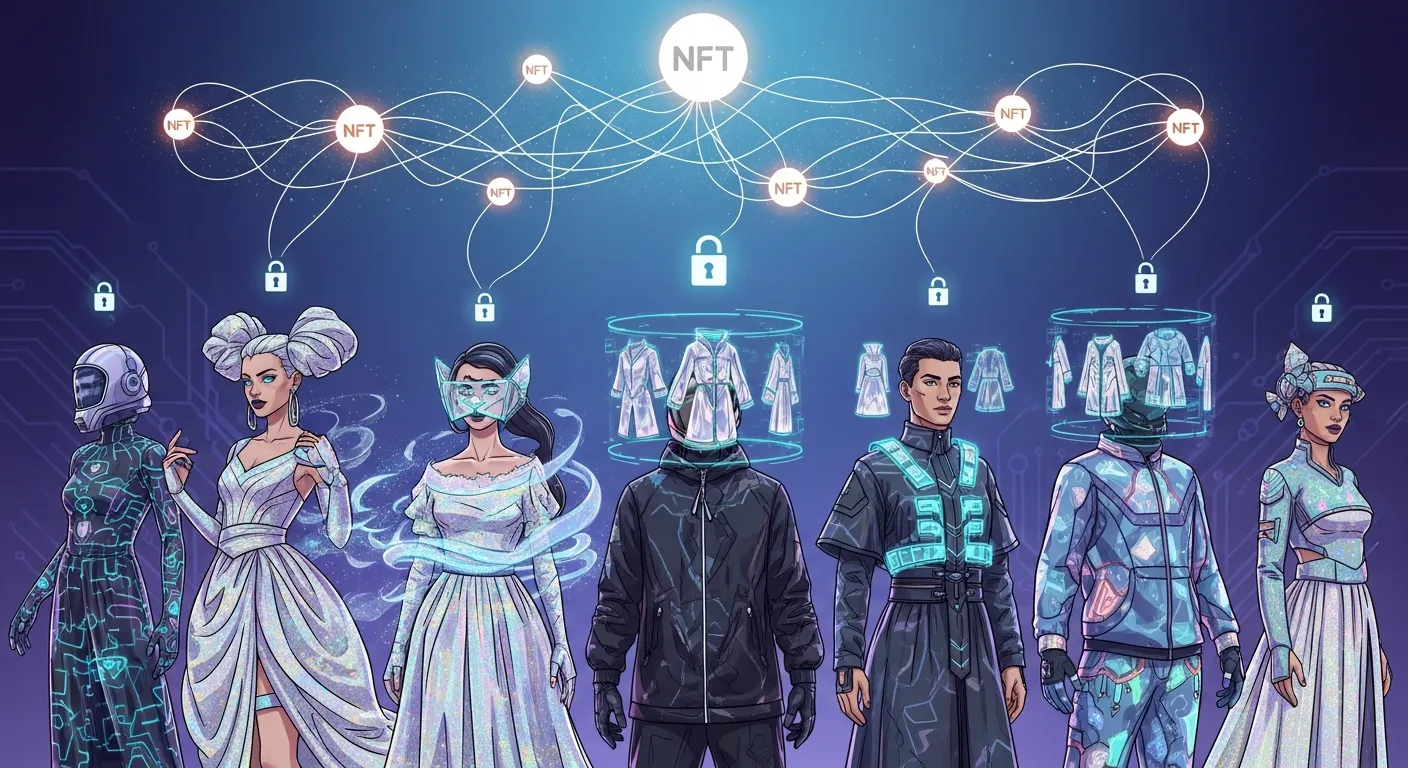
NFTs are reshaping value exchange in digital fashion. Each NFT represents a unique digital asset secured on a blockchain ledger, guaranteeing its provenance and authenticity. This technology unlocks innovative business models and collector cultures within the style ecosystem. NFTs are now a driving force behind exclusive fashion trends, adding unique value to virtual clothing collections.
Verifiable Ownership and Digital Scarcity
Blockchain’s immutable records ensure that every digital garment has a transparent creation history. Consumers can verify designer, issuance date, and edition size. This verification minimizes counterfeits and reinforces brand integrity across the digital fashion landscape.
NFT Ownership Benefits:
- Enable peer-to-peer trading and resale.
- Secure royalty payments to creators through smart contracts.
- Generate online-only collectibles for fashion-savvy consumers.
Exclusive Drops and Community Building
Brands release limited-edition NFT fashion collections via timed drops. This strategy generates excitement akin to high-demand physical sneaker releases. Early adopters gain access to rare wearables, forums, and special events, fostering loyal communities and peer-to-peer trading.
- Direct-to-Consumer Channels: NFTs create direct channels that bypass traditional intermediaries.
- Royalty Mechanisms: Smart contracts allow creators to earn commissions on every secondary sale.
- Interoperability: Owners can dress avatars across multiple virtual realms, extending the utility of each NFT.
NFTs and the Future of Fashion Trends
As digital natives seek ways to express themselves online, owning and trading NFT garments represents the next chapter in style. Interoperability ensures that one purchase can be used across avatar platforms, from Decentraland to Roblox, reflecting cross-platform alignment of fashion trends and merchandising.
The Rise of Metaverse Fashion Events
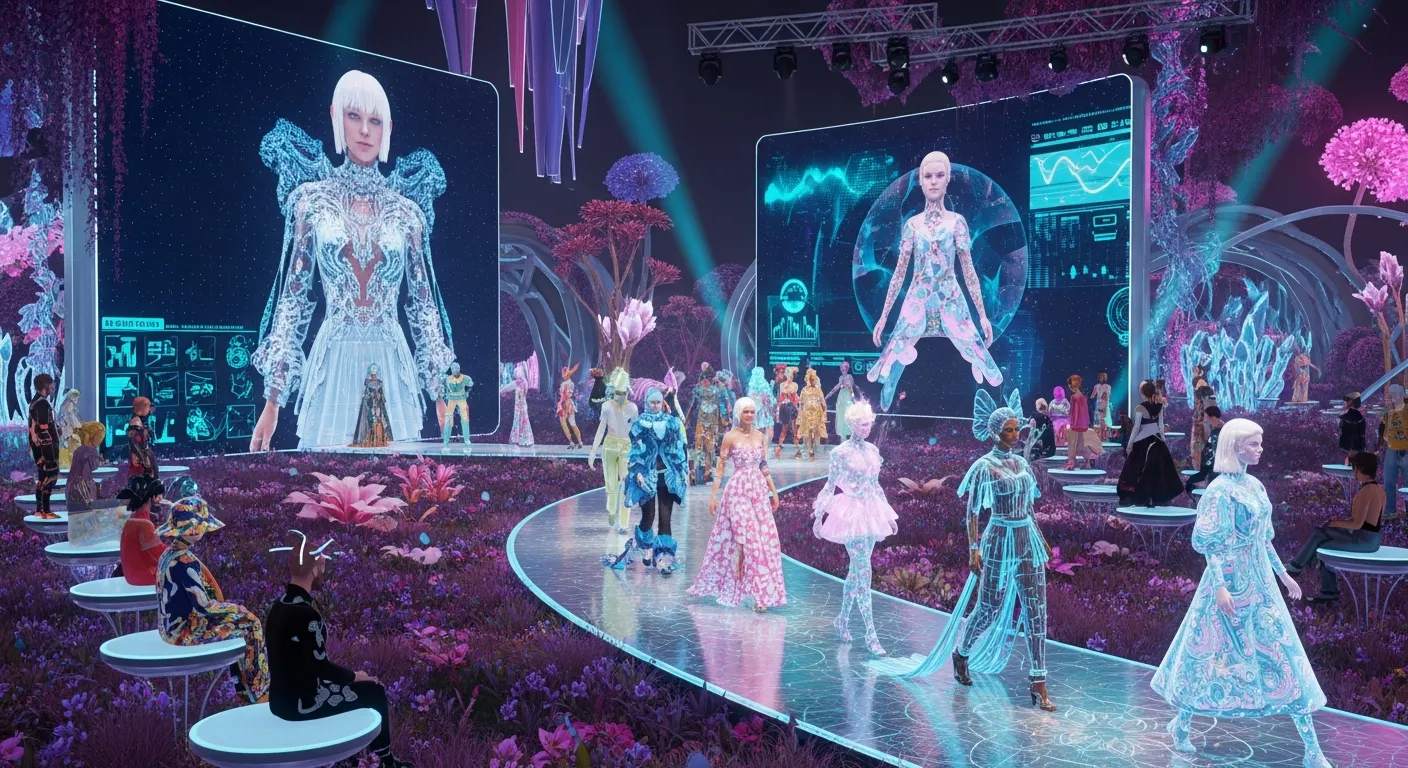
Metaverse fashion platforms are hosting avant-garde fashion shows, where avatars gather in virtual venues to experience runway spectacles. These events blend gaming, entertainment, and retail into cohesive experiences that transcend geographic boundaries. Metaverse fashion is redefining the traditional fashion week, enabling participation from around the world.
Immersive 3D Runways and Avatar Customization
Designers partner with game engines and digital artists to craft dynamic environments. Floating catwalks, interactive landscapes, and reactive visuals respond to real-time user interactions. Attendees can switch camera angles, zoom in on details, and even purchase looks without leaving the show.
Social Experience in the Metaverse:
Virtual front rows and digital after-parties enhance interaction, allowing users to network globally, share fashion trends in real time, and influence the evolution of digital fashion.
Participants design their avatars with custom outfits, expressions, and accessories. Chat functions, emoji reactions, and shared photo modes transform passive viewing into a communal event. This interactivity strengthens brand affinity and word-of-mouth promotion for new fashion trends.
Collaborations and Cross-Sector Engagement
Fashion houses are actively collaborating with gaming studios, digital artists, and musicians to curate multisensory events:
- Live DJ sets and interactive soundtracks
- Wearable NFTs tied to exclusive musical drops
- Creative blend of high fashion, gaming aesthetics, and digital collectibles
These collaborations expand audiences and blur the line between fashion, technology, and entertainment. Explore broader perspectives on how digital fashion collides with culture and technology.
Expanding the Digital Fashion Ecosystem: New Frontiers
Digital fashion’s ecosystem is broadening at an unprecedented pace. It now encompasses more than garments; it includes digital accessories, virtual reality art installations, and even digital-only model agencies. Brands are experimenting with new service models, such as subscription-based digital wardrobes or limited-time rental of exclusive NFT pieces for avatars.
Growing Influence on Social and Cultural Norms
Digital fashion is having a profound impact on personal branding, self-expression, and social media culture. With Instagram influencers and TikTok personalities adopting digital clothing for online content, fashion trends born in cyberspace often ripple into physical collections.
Digital Fashion in Education and Sustainability
Fashion schools worldwide have begun updating curricula to prepare students for careers in digital design, 3D modeling, and virtual styling. Sustainability has also seen a boost, as the virtual-first approach drastically reduces material consumption and waste across the production process.
- Digital fabric libraries reduce the need for physical swatches.
- Virtual fittings save water, energy, and textiles.
- Downloadable collections democratize access for global audiences.
Analyzing the Impact: Where Technology and Creativity Meet
The intersection of software and style requires brands to adapt quickly. As digital fashion gains traction, brands must weigh its benefits against inherent challenges to build sustainable, scalable strategies.
Discover detailed technical applications regarding wearables digital fashion.
Digital Fashion: Advantages vs. Obstacles
|
Feature Category |
Advantages of Digital Fashion |
Obstacles to Overcome |
|---|---|---|
|
Sustainability |
Reduces fabric waste and limits unsold inventory via virtual sampling. |
Energy consumption of blockchain transactions for NFTs requires greener protocols. |
|
Accessibility |
Anyone with internet access can explore virtual collections globally. |
Consumer adoption curve varies; many still prefer tangible fabrics. |
|
Engagement |
Virtual try-ons and AR filters foster deep emotional connections. |
Platform fragmentation across metaverse ecosystems limits interoperability. |
|
Revenue |
NFTs and digital wearables open entirely new profit channels. |
High-fidelity 3D modeling and blockchain integration demand high technical investment. |
The Growing Importance of Data Analytics
Data analytics now play a pivotal role. From tracking virtual try-on conversion rates to analyzing how NFT drops drive community participation, brands leverage these metrics to refine future campaigns and predict the next wave of fashion trends.
Actionable Tips for Brands Navigating Digital Fashion
- Collaborate with Experts: Partner with AR/VR developers, 3D artists, and blockchain consultants to craft tailored solutions.
- Pilot Virtual Try-Ons: Deploy a basic AR filter or website widget to gauge user interest and collect feedback.
- Launch a Limited NFT Capsule: Test demand with a small, exclusive drop and reward early adopters.
- Host a Mini Metaverse Showcase: Organize an intimate virtual runway or pop-up event, inviting influencers and loyal customers.
- Iterate with Data: Use analytics, user surveys, and social metrics to refine digital offerings and expand over time.
- Educate Your Audience: Provide resources and virtual guides to help consumers navigate digital wardrobes and try-on technologies.
- Align with Sustainable Practices: Use virtual prototypes to reduce waste and partner with blockchains that offset energy usage, addressing environmental concerns.
Frequently Asked Questions
What is digital fashion?
Digital fashion refers to garments and accessories that exist purely in virtual form. Designers craft them using 3D design software, and consumers experience them through screens without physical production. It represents a major shift in modern fashion trends, reshaping how we interact with style and retail.
How do virtual try-ons enhance the shopping experience?
Virtual try-ons use AR filters, 3D body scanning, and smart mirrors to overlay digital garments on users in real time. This technology helps shoppers visualize fit and style before purchasing, reducing return rates significantly and building consumer trust.
What role do NFTs play in digital fashion?
NFTs authenticate unique digital wearables on a blockchain, ensuring verifiable ownership. They enable scarcity-based drops and allow creators to earn royalties on secondary sales, creating new economic models for digital fashion and fostering collector communities.
What are metaverse fashion shows?
Metaverse fashion shows are immersive virtual events where digital avatars gather to view new collections. These events feature interactive 3D runways and communal participation, allowing global audiences to experience the latest fashion trends without the geographic limitations of traditional runways.
Can digital fashion improve industry sustainability?
Yes, digital fashion drastically reduces the need for physical samples and excess inventory. By finalizing designs virtually before physical production, brands minimize textile waste and lower their carbon footprint, supporting the industry’s shift toward sustainability.
How does digital fashion relate to traditional fashion photography?
Digital fashion relies on 3D rendering to create photorealistic images rather than traditional cameras. However, creators still apply principles like lighting and framing found in fashion photography composition tips to make virtual garments look stunning, ensuring digital clothes are visually compelling.
Did the pandemic accelerate digital fashion trends?
Absolutely. When physical events shut down, brands rapidly adopted virtual alternatives. As seen during Paris Fashion Week 2021, digital presentations became essential, laying the groundwork for today’s explosion of virtual try-ons and metaverse fashion.
What tools do designers use to create digital fashion?
Designers rely heavily on advanced 3D modeling software like Clo3D, Marvelous Designer, and Blender. These programs allow for accurate draping, texture application, and real-time rendering of digital garments, supporting dynamic creative processes and rapid iteration.
How can small brands adopt virtual try-ons?
Small brands can start by partnering with existing AR platforms like Snapchat or Instagram to create simple try-on filters. This approach requires less upfront investment than building custom apps while still engaging tech-savvy consumers and capturing valuable data about preferences.
What is the future of metaverse fashion?
The future involves greater interoperability, where users can seamlessly move their digital wardrobes across different virtual worlds. As VR technology improves, metaverse fashion will become a primary avenue for personal expression and brand interaction, shaping the next wave of fashion trends.
Conclusion
Digital fashion represents a strategic evolution toward sustainable sampling, personalized experiences, and boundary-less creativity. From virtual try-ons that boost consumer confidence to blockchain-enabled NFTs that cement authenticity, the possibilities are vast. Metaverse fashion shows unite global audiences, proving that virtual style is a lasting component of modern fashion trends.
Momentum behind virtual wardrobes and immersive style events continues to grow. Whether you operate an established label or an emerging design house, exploring digital channels is crucial. Experiment with interactive tools, implement virtual try-ons, and build communities in virtual realms to secure your brand’s place on tomorrow’s global runway.
Digital fashion is not only changing what we wear but how, where, and why we wear it. By embracing this new paradigm, both brands and consumers can journey together into a creative, sustainable, and endlessly innovative future.
