

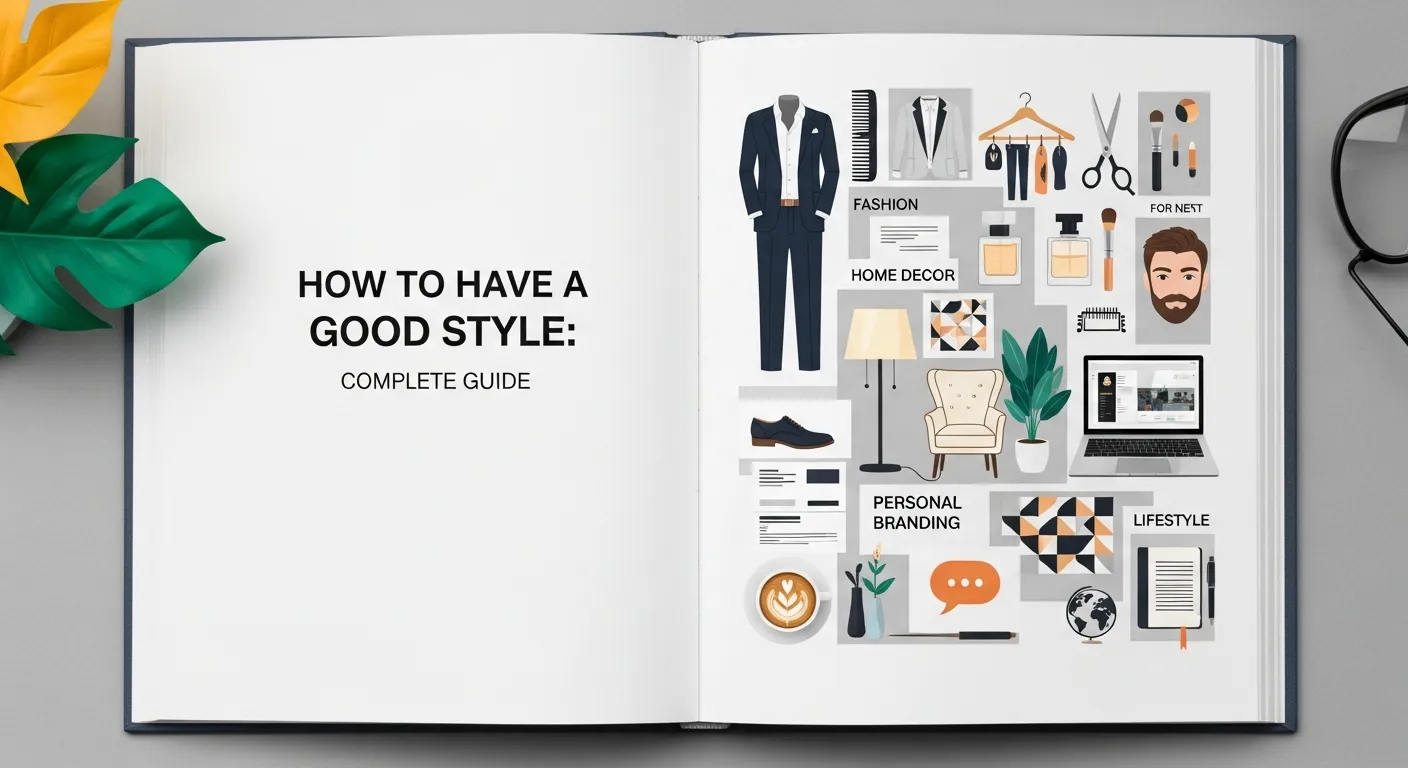
Personal style is about authenticity, confidence, and practicality. By understanding your preferences, body type, and lifestyle, building a versatile wardrobe, and focusing on fit, quality, and accessories, you can create a timeless, confident, and sustainable fashion identity.
Many people associate “good style” with wearing the latest runway trends or owning a closet full of expensive designer labels. True style, however, is much more personal and enduring. It is the visual expression of who you are, how you live, and what makes you feel confident. Figuring out how to have a good style means understanding yourself and dressing in a way that feels authentic, comfortable, and intentional.
The way you dress carries a significant psychological impact. When you wear clothing that fits well and aligns with your identity, your confidence naturally increases. Studies in a field known as “enclothed cognition” suggest that the clothes we wear actually influence our psychological processes. Dressing sharply for a presentation makes you feel more authoritative, while wearing your favorite comfortable outfit helps you feel relaxed.
This comprehensive men and women style guide walks you through the entire process of finding and refining your personal aesthetic. You will learn how to understand your unique fashion identity, build a versatile foundation of high-quality garments, and master the finer details of accessorizing. By the end of this comprehensive guide, you will have the exact tools you need to build a wardrobe that makes you look and feel your absolute best.
Understanding Your Fashion Identity
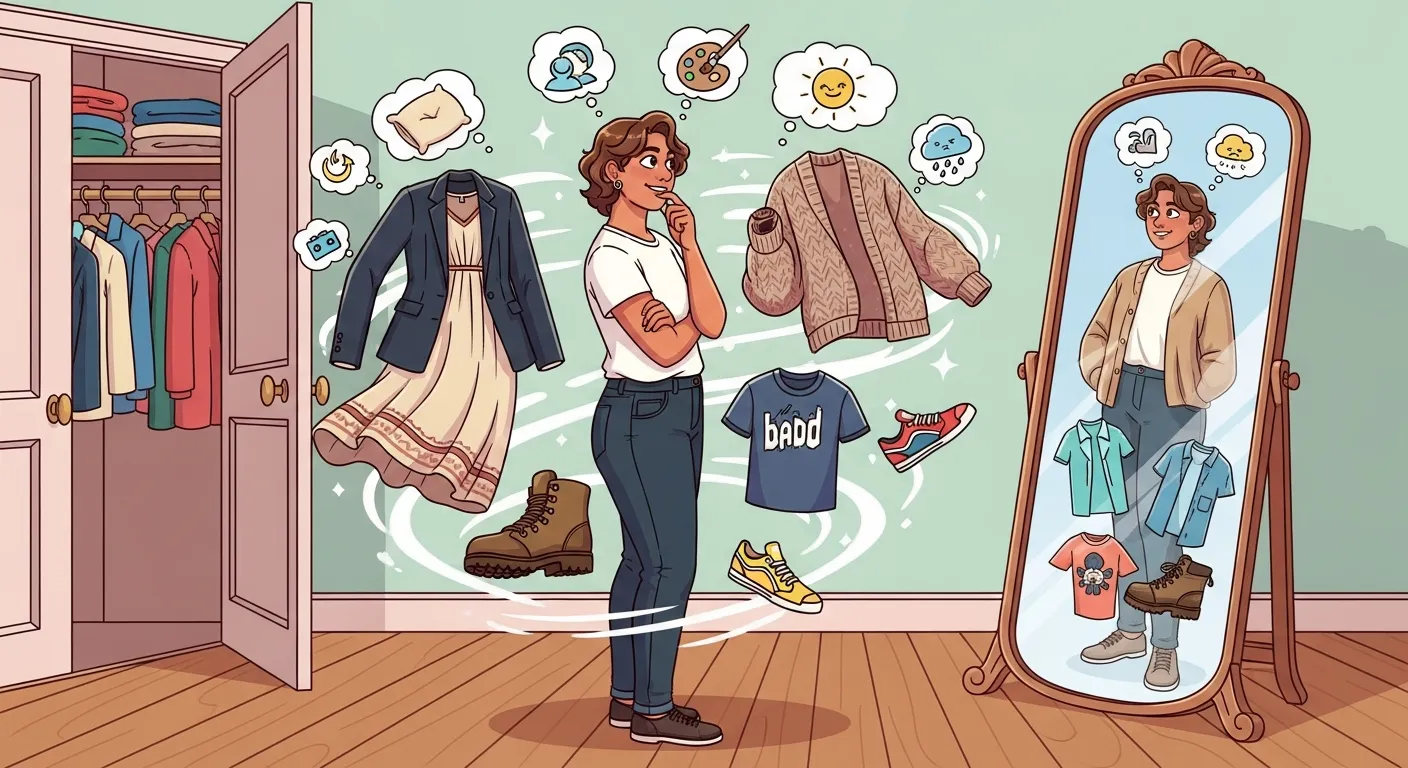
Developing a strong sense of style always begins with honest self-reflection. Before you buy anything new to improve fashion sense, you must understand what you genuinely like and what makes you feel comfortable.
Reflect on Your Preferences
Start by analyzing the clothes you already own in your closet. Which items make you feel the most confident when you step outside? Which pieces do you reach for again and again during a busy week? Look for common themes in the fabrics, silhouettes, and colors you naturally gravitate toward. You might notice you prefer soft natural fibers like cotton and linen, or structured materials like wool and denim.
Write down a few adjectives that describe how you want to present yourself to the world. Words like “minimalist,” “bold,” “classic,” or “eclectic” serve as excellent guiding stars. When you understand your baseline preferences, figuring out how to have a good style becomes a much clearer process.
Identify Your Body Type
Understanding your body proportions represents a crucial step in dressing well. The goal is never to hide your body, but rather to highlight your favorite features and create a visually balanced silhouette. Spend some time trying on different cuts of clothing to see exactly how they drape on your frame.
- For rectangular frames: Belts and tailored waists help create definition.
- For pear shapes: A-line skirts and structured shoulders bring balance to your proportions.
- For inverted triangles: Wide-leg trousers and flowing skirts balance broader shoulders.
High-waisted trousers might elongate your legs beautifully, while a tailored jacket might highlight your shoulders. Once you know exactly what shapes flatter your specific figure, shopping for new items becomes significantly easier and much more enjoyable.
Factor in Your Lifestyle
Your daily life must heavily influence your wardrobe choices if you want to know how to dress better everyday. If you work from home and spend your weekends hiking, a closet full of tailored business suits will not serve your actual needs. Evaluate how you spend your time during an average week.
Calculate the percentage of time you spend at work, lounging, exercising, and socializing. Ensure that the majority of your wardrobe aligns precisely with your actual lifestyle, rather than a fantasy version of your life. Practicality is a major component of learning how to have a good style.
Find Your Inspiration
Gathering external inspiration offers a highly practical way to visualize your ideal look. Create a digital mood board using visual platforms to organize your thoughts. Save images of outfits, exciting color combinations, and interesting textures that catch your eye.
Look to classic style icons, dynamic film characters, and everyday people on the street for fresh ideas. Over time, you will start to notice clear patterns in the images you save. These patterns will help solidify your fashion identity and give you a roadmap for future purchases.
Building a Versatile Wardrobe Foundation
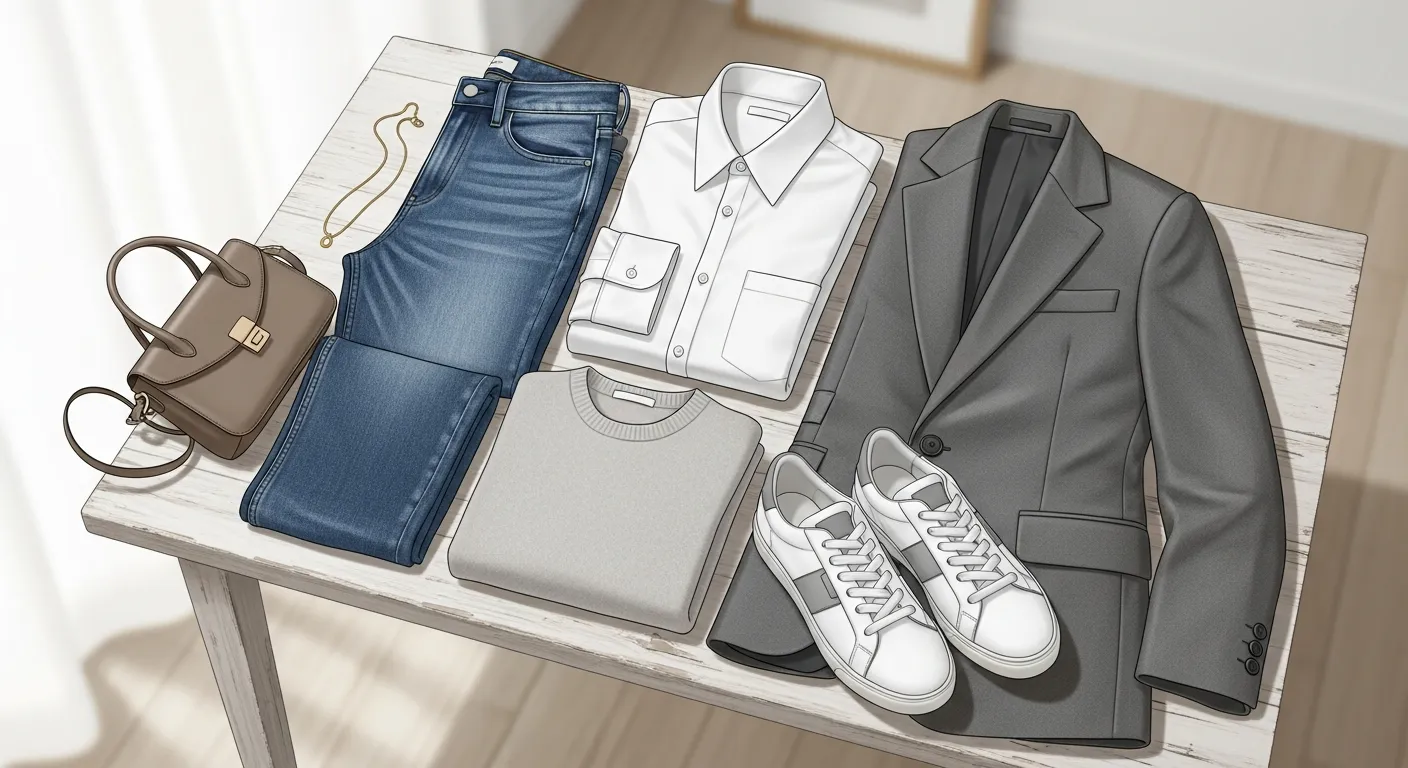
A highly functional and stylish closet rests on a strong foundation of versatile, interchangeable items. When you want to know how to have a good style, you must focus on the basics first.
The Concept of a Capsule Wardrobe
A capsule wardrobe is a carefully curated collection of clothing specifically designed to be mixed and matched with ease. By focusing on a smaller number of highly versatile pieces, you can quickly create dozens of different outfits with minimal effort. This strategic approach completely eliminates decision fatigue in the morning. It guarantees that you always have something great to wear, making it one of the most effective personal style tips available.
Essential Pieces Everyone Should Own
While your specific essentials will vary based on your personal aesthetic, certain items act as universal building blocks for any great wardrobe. These foundation pieces act as the blank canvas upon which you can build much more complex and interesting outfits.
Core Wardrobe Essentials Matrix
|
Item Category |
Classic Option |
Modern Alternative |
Purpose in Wardrobe |
|---|---|---|---|
|
Bottoms |
Dark wash straight jeans |
Tailored wide-leg trousers |
Provides a versatile base for casual and smart looks |
|
Tops |
Crisp white button-down |
High-quality neutral turtleneck |
Acts as a layering piece or a standalone statement |
|
Outerwear |
Tailored navy blazer |
Structured leather jacket |
Adds instant polish and visual interest to simple outfits |
|
Footwear |
Classic leather loafers |
Minimalist white sneakers |
Anchors the outfit while providing necessary comfort |
Choose Quality Over Quantity
Investing in well-made items remains a cornerstone of learning how to have a good style. High-quality garments simply drape better on the body, last significantly longer, and retain their original shape after multiple washes. Instead of buying five cheap t-shirts that will warp and fade in a month, invest your money in one or two premium t-shirts made from dense, durable cotton.
Always check the inner seams, look closely at the fabric composition labels, and pay close attention to the overall construction of the garments you purchase. Natural fibers like wool, silk, and organic cotton usually outlast cheap synthetic blends.
Discover Your Color Palette
Color plays a massive role in how clothing looks on your body. Finding specific colors that enhance your natural skin tone, hair, and eye color makes your complexion glow. Generally, skin tones fall into warm, cool, or neutral categories.
Warm undertones look absolutely incredible in rich earth tones like mustard, olive, and rust. Cool undertones shine brightly in deep jewel tones like sapphire, emerald, and icy blue. Build a reliable palette of base neutral colors like navy, black, or beige, and then carefully incorporate a few complementary accent colors to improve fashion sense.
Mastering the Art of Accessorizing
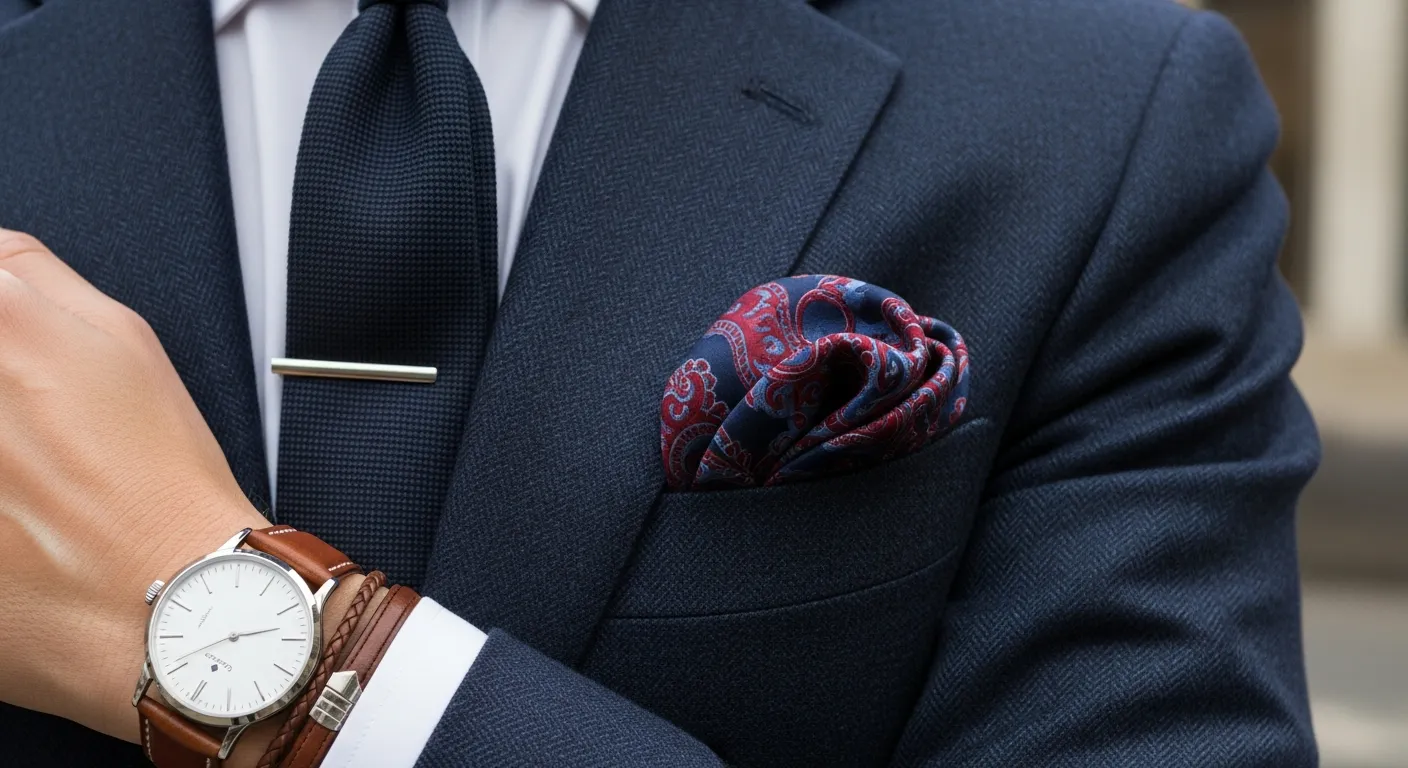
Accessories possess the incredible power to completely transform a simple, everyday outfit into a striking and memorable look.
The Power of Accessories
You can easily wear a basic white t-shirt and jeans every single day of the week, but by simply changing your accessories, the outfit looks entirely different each time. Accessories allow you to quickly inject personality and flair into your daily wardrobe without having to buy entirely new outfits. This is a fundamental concept in any comprehensive men and women style guide.
Explore Different Types of Accessories
The broad category of accessories includes many different tools for self-expression. Jewelry ranges from delicate, understated gold chains to bold, chunky statement necklaces. Silk or wool scarves add necessary color and texture directly around the face. Belts serve the highly functional purpose of holding up your trousers while simultaneously defining your waist and breaking up your silhouette. Bags and shoes remain arguably the most important accessories, as they anchor the entire look and set the tone.
How to Choose the Right Accessories
Always select accessories that directly complement the specific scale and mood of your outfit. If you are wearing a dress featuring a very busy, colorful print, you should opt for simple, understated jewelry. If you are wearing a monochrome or neutral outfit, you can easily afford to carry a brightly colored handbag or wear bold, patterned shoes. This creates a strong focal point and shows you know how to have a good style.
Mixing Metals and Textures
Many people stick rigidly to wearing either all gold or all silver jewelry. However, intentionally mixing metals is a modern, sophisticated way to add visual interest to your look. Try pairing a classic gold watch with layered silver rings.
Similarly, mixing various textures within your accessories adds incredible depth to your outfits. Pair a smooth leather handbag with textured suede ankle boots, or wear a chunky knit scarf alongside a sleek metallic belt.
Decoding Dress Codes and Occasions
Part of figuring out how to have a good style is knowing exactly how to read the room and dress appropriately for the specific setting you are entering.
Understand Different Dress Codes
Dress codes often feel confusing and intimidating, but learning the basic rules is essential to improve fashion sense. “Business formal” typically requires a dark suit and tie or a highly conservative dress. “Smart casual” represents a comfortable middle ground that might involve pairing dark, well-fitting jeans with a tailored blazer and nice dress shoes. “Cocktail” attire specifically calls for elegant party dresses or a sharp, dark suit.
For a deeper dive into casual mastery, learning how to dress better everyday involves mastering the balance between comfort and presentation.
Navigate Specific Events
When attending major life events like weddings, important job interviews, or formal dinner parties, your chosen attire communicates your respect for the host. For job interviews, always lean slightly more conservative than you think is strictly necessary. For weddings, adhere strictly to the dress code clearly printed on the invitation and never, under any circumstances, wear white.
Dress for Confidence and Respect
Wearing the appropriate attire is never about conforming blindly to strict rules; it is about showing profound respect for your environment and setting yourself up for success. When you know for a fact you are dressed appropriately for an occasion, you completely stop worrying about your outfit. This allows you to focus entirely on being present, engaging confidently with others, and actually enjoying the event.
The Role of Fit and Tailoring
You can buy the most expensive, luxurious clothing in the world, but if it does not fit your body properly, it will never look good. Fit is the ultimate secret to how to have a good style.
Why Fit is Paramount
Fit stands as the single most important element of personal style. Clothes that are too tight look incredibly uncomfortable and pull awkwardly across the body. Conversely, clothes that are too baggy make you look sloppy and completely hide your natural shape. A garment fits well when it gently skims the body without pulling, allowing you a full, comfortable range of movement throughout your day.
When to Utilize a Tailor
Off-the-rack clothing is manufactured to fit a generic, statistical average of the population. Since human bodies come in infinite shapes and sizes, it is very rare for mass-produced clothing to fit perfectly right off the hanger. Taking your clothes to a skilled local tailor makes an inexpensive item look completely custom-made for your body.
Understand Basic Alterations
You certainly do not need to understand complex garment construction, but knowing a few basic alterations is incredibly helpful. Hemming trousers to the correct length is a quick, inexpensive fix that changes everything. Taking in the waist of a skirt, shortening the sleeves of a blazer, or adding darts to a boxy shirt are all standard alterations that dramatically improve how a garment looks on you.
Developing a Sustainable and Ethical Style
Building a great wardrobe should never come at the massive expense of the environment or the people who actually make our clothes.
The Impact of Fast Fashion
The modern fast fashion industry produces massive, unprecedented amounts of waste and pollution globally. Fast fashion brands churn out thousands of low-quality styles every single week, encouraging a toxic culture of overconsumption and disposal. Understanding this negative impact marks the very first step toward making better, more conscious purchasing decisions.
Explore Sustainable Brands
Actively look for clothing companies that prioritize ethical production methods, fair labor practices, and highly sustainable materials. Many great brands now use organic cotton, recycled polyester, and non-toxic dyes. While these specific items often cost more upfront, they are usually made with far greater care and will easily outlast cheap alternatives.
Shop Second-Hand and Vintage
Thrifting and shopping at curated vintage stores are excellent ways to find unique, high-quality pieces while drastically reducing your environmental footprint. Buying second-hand keeps perfectly good garments out of landfills and gives them a wonderful second life. You can often find incredible designer pieces or vintage denim constructed with a level of quality that is incredibly hard to find today.
Care for Your Clothes
Extending the total lifespan of your clothing remains the single most sustainable fashion choice you can possibly make. Read inside care labels carefully before washing. Wash your clothes on cold cycles, completely avoid over-using the harsh tumble dryer, and always fold heavy knitwear instead of hanging it so it does not stretch out. Regular maintenance keeps your wardrobe looking pristine and proves you know how to have a good style.
Evolving Your Style Over Time
Personal style is absolutely not a fixed destination you reach once and then never change. It is a continuous, lifelong evolution.
Style is a Journey
As you grow older, experience exciting new things, and boldly enter different phases of life, your personal style will naturally shift. The colorful clothes you loved in your twenties might not resonate with you at all in your forties, and that is perfectly normal. Allow your wardrobe to continuously act as a living, breathing reflection of exactly who you are at this current moment in time.
Experiment with New Trends
While you should never exhaust yourself chasing every fleeting micro-trend, trying new things keeps your personal style feeling fresh and modern. If a brand new silhouette or color becomes popular and you genuinely like it, incorporate it seamlessly into your existing wardrobe. Mix a trendy new piece with your classic staples to quickly create a perfectly balanced, modern look.
Embrace Personal Growth
Fashion serves as a powerful tool for daily self-expression. If you receive a major promotion, move to a brand new city, or simply undergo a deep personal transformation, let your clothes reflect that growth. Embrace the natural changes in your body and your lifestyle, and adjust your wardrobe so that it continues to serve and empower you every day.
Common Style Mistakes to Avoid
As you actively work to refine your look, keep a close eye out for a few common pitfalls that easily detract from your overall aesthetic.
Wearing Ill-Fitting Clothes
As discussed earlier, poor fit completely ruins even the most expensive outfit. Avoid holding onto clothes that are two sizes too small in the fading hopes that they will magically fit one day. Dress the beautiful body you have right now, today.
Over-Accessorizing
Before you walk out the door, take a long look in the mirror and strongly consider removing one single accessory. Wearing a large hat, a thick scarf, a chunky necklace, and heavy earrings all at once creates overwhelming visual clutter. Let one or two great accessories take center stage.
Chasing Every Trend
Buying clothing simply because it is incredibly popular right now leads directly to a disjointed, chaotic closet full of items you will discard in six months. Only participate in trends that genuinely align with your core fashion identity. This is one of the most vital personal style tips to remember.
Neglecting Comfort
If a pair of beautiful shoes gives you painful blisters or a nice dress requires you to constantly adjust the tricky neckline, you will always look uncomfortable and awkward. True style requires physical ease. If you are not comfortable, you cannot possibly be confident.
Frequently Asked Questions
What does it mean to figure out how to have a good style?
Having good style means discovering clothing that authentically represents your personality and makes you feel confident. It is about choosing garments that fit your specific body type properly rather than blindly following trends. True style merges visual appeal with genuine personal comfort.
How much money do I need to build a good wardrobe?
You absolutely do not need a massive budget to improve fashion sense. By focusing heavily on second-hand shopping, prioritizing versatile capsule pieces, and taking good care of your garments, you look incredibly stylish on a modest budget. Strategic buying is much better than expensive buying.
What are the best personal style tips for beginners?
Start by completely decluttering your current closet to see what you actually wear. Invest your initial budget in high-quality basics like a great pair of jeans and a crisp white shirt. Finally, focus heavily on ensuring everything you buy fits your body perfectly.
How is technology changing how we find our style?
Technology is making it easier than ever to experiment with fashion without wasting money. For example, using virtual try-on tools allows you to see how different cuts and colors look on your body before you make a purchase. This drastically reduces shopping mistakes.
How do I find a reliable and skilled tailor?
Start your search by reading local reviews online or asking stylish friends for personal recommendations. A good tailor listens carefully to your needs and explains the alterations process clearly. They should always pin the garment on you so you see the expected result first.
What if my lifestyle changes dramatically?
When your lifestyle shifts, evaluate exactly what pieces from your old wardrobe can be adapted for new uses. A silk blouse might easily be paired with comfortable jeans instead of a formal pencil skirt. Gradually introduce new, practical items without throwing everything out at once.
Can a men and women style guide apply to gender-neutral dressing?
Absolutely. The foundational principles of proportion, tailoring, and color theory apply to all human bodies regardless of gender presentation. A great style guide focuses on how fabric drapes and how garments make the wearer feel.
How do I know which colors look best on me?
Look at the veins on the inside of your wrist; blue indicates cool undertones, while green indicates warm undertones. Hold different colored fabrics up to your face in natural daylight to see which ones make your skin look bright and awake.
How can I stop buying clothes I never wear?
Create a strict “cooling off” period before buying any new item. If you see something you like, wait at least 48 hours before purchasing it to ensure it is not an impulse buy. Ask yourself if you can create at least three different outfits with it using clothes you already own.
How to dress better everyday without spending hours getting ready?
The secret to dressing well quickly is maintaining a highly organized capsule wardrobe. When all your basic pieces naturally match each other, you can pull items out in the dark and still look put together. Preparation and organization eliminate morning stress entirely.
