

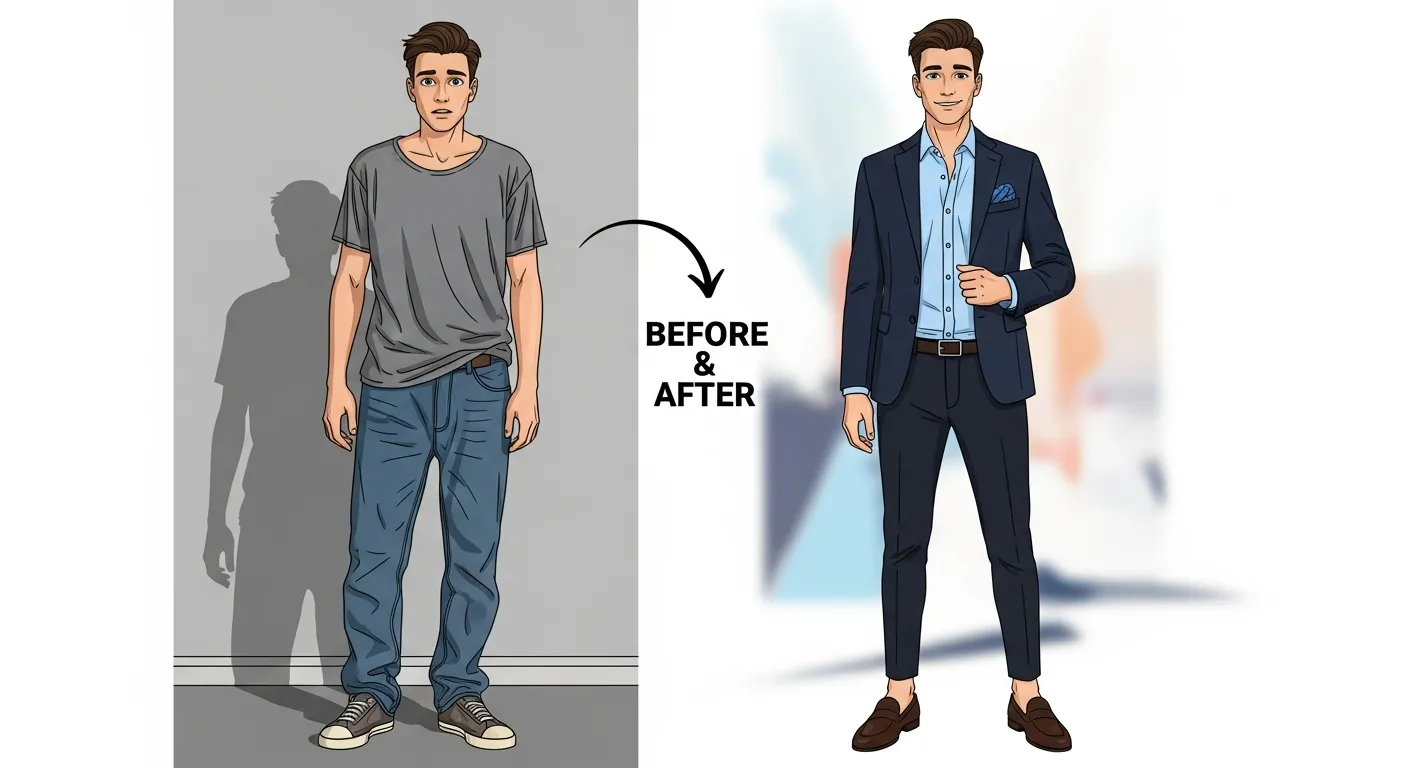
This guide explains how to improve personal style through wardrobe audits, inspiration, smart shopping, proper fit, and accessories, helping you build confidence, create versatile outfits, and develop a unique, evolving fashion identity.
Learning how to get better style goes far beyond the clothes you pull out of your closet each morning. It serves as a visual language, communicating who you are, what you value, and how you want the world to perceive you before you even speak a single word. When you wear clothing that genuinely reflects your personality, you project an undeniable sense of style, confidence, and authenticity.
Developing your Personal Style is an ongoing process of self-discovery. Many people feel overwhelmed by shifting trends and overcrowded closets, leading to the common frustration of having a wardrobe full of clothes but absolutely nothing to wear. Building a clear personal aesthetic solves this problem by giving you a framework for getting dressed every day.
If you frequently ask yourself how to get better style, you are in the right place. By taking the time to refine your look, you will streamline your morning routine, save money on misguided purchases, and ultimately feel more comfortable in your own skin. This guide will walk you through the practical steps required to execute a complete Wardrobe Upgrade, find your unique aesthetic, and step out the door feeling your absolute best.
Understanding Your Current Style Landscape
Before you can build a new wardrobe or figure out how to get better style, you need to understand what you are currently working with. A thorough assessment of your current closet is the crucial first step in any style transformation. You cannot know where you are going unless you know where you are starting.
Conduct a Comprehensive Wardrobe Audit
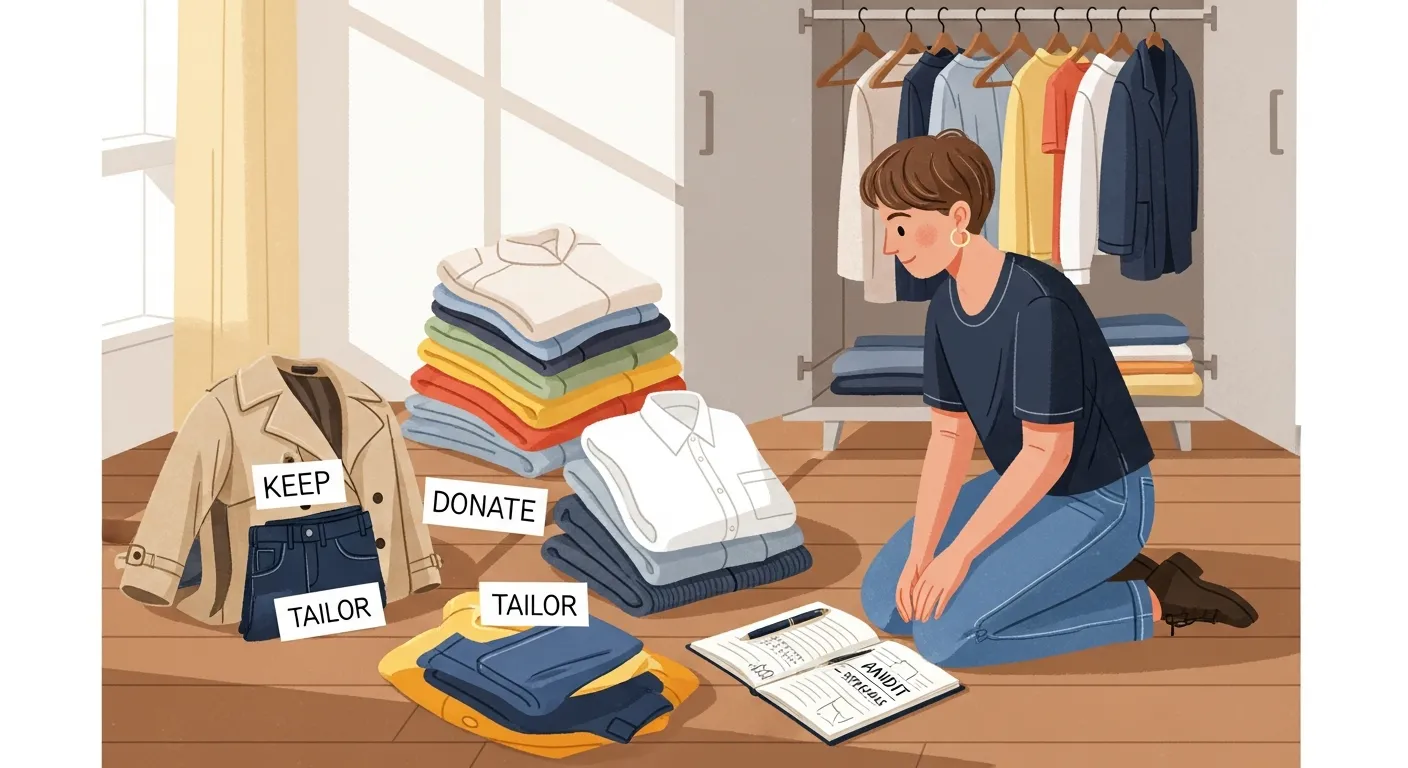
Set aside an afternoon to go through every single item in your closet. To truly understand how to get better style, you must sort your clothing into three distinct piles: things you wear constantly, things you never wear, and things you are unsure about.
Look closely at the “wear constantly” pile to identify common themes. Perhaps you gravitate toward a specific fabric, a certain neckline, or a particular color. Conversely, examine the items you never wear and figure out why they sit untouched. Understanding these patterns will prevent you from making the same shopping mistakes in the future.
Identify Your Style Comfort Zone
We all have a style comfort zone. For some, it means throwing on the same pair of jeans and a black sweater every single day. While having a reliable uniform is helpful, getting stuck in a rut can prevent your Personal Style from evolving.
Recognize the silhouettes and colors you hide behind. Once you identify these safety nets, you can start making small, calculated choices to step outside of them. You might swap your usual black sweater for a rich navy or try a wide-leg trouser instead of your standard skinny jeans. Learning how to get better style means challenging these comfort zones gradually.
Discovering Your Style Inspirations
Great style rarely happens by accident. It requires research, observation, and a clear vision of what you want to achieve. Gathering inspiration is a highly effective way to figure out what resonates with your personal taste and is a critical step in learning how to get better style.
Create Mood Boards and Gather Visual Research
Digital platforms like Pinterest and Instagram are incredible tools for style research. Start saving images of outfits that catch your eye. Do not overthink it initially; just save what you like.
After you collect fifty or so images, look for the common threads. You might notice a recurring preference for structured blazers, monochromatic color schemes, or vintage denim. Physical magazines also offer a tactile way to tear out inspiration and create a physical mood board for your bedroom or closet. If you need a deeper dive into this process, read more about how to find your fashion essentials.
Identify Style Icons and Their Key Elements
Think about the public figures, celebrities, or even people in your everyday life whose style you admire. Pinpoint exactly what makes their look work. Does a certain actor always wear perfectly tailored suits? Does your favorite musician mix vintage band tees with high-end designer pieces?
By isolating the specific elements that make their style successful, you can begin to adapt those concepts for your own Wardrobe Upgrade without simply copying their exact outfits.
Popular Style Aesthetics Explained
Figuring out how to get better style often involves choosing an aesthetic lane. Here is a breakdown of popular aesthetics to help guide your choices:
|
Aesthetic |
Key Elements |
Color Palette |
Best For |
|---|---|---|---|
|
Minimalist |
Clean lines, uncluttered silhouettes, simple fabrics. |
Black, white, gray, navy, beige. |
Streamlined, professional environments. |
|
Bohemian |
Flowing fabrics, eclectic accessories, layering. |
Earth tones, rich jewel tones, warm neutrals. |
Casual, creative, and relaxed lifestyles. |
|
Classic |
Timeless silhouettes, structured fits, traditional patterns. |
Navy, camel, white, red accents. |
Corporate settings and everyday elegance. |
|
Edgy |
Hardware, leather, distressed fabrics, bold shapes. |
Black, deep reds, metallics, dark grays. |
Expressive, nightlife, and creative fields. |
The Pillars of a Great Wardrobe
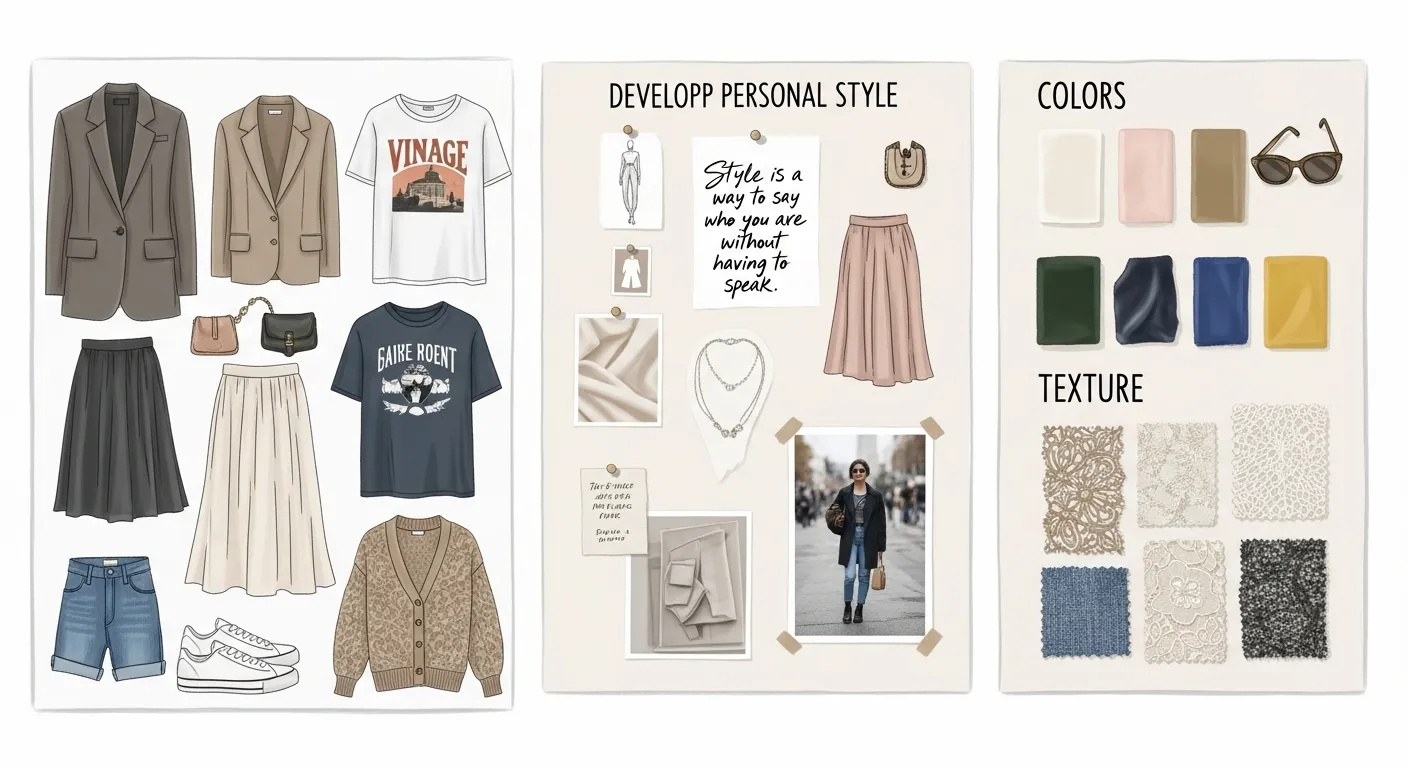
A functional closet is built on a foundation of reliability. When you prioritize structure and quality, getting dressed becomes an effortless experience, heavily boosting your Style Confidence.
Choose Investment Pieces Over Fast Fashion
Quality always trumps quantity when it comes to building a better wardrobe. Fast fashion garments often lose their shape, fade in the wash, and fall apart after a single season. If you want to know how to get better style, you must prioritize longevity.
Instead of buying five cheap sweaters, save your budget for one high-quality knit made from natural fibers like wool or cashmere. These investment pieces drape better on the body, last significantly longer, and elevate the overall look of your outfit.
Build a Capsule Wardrobe
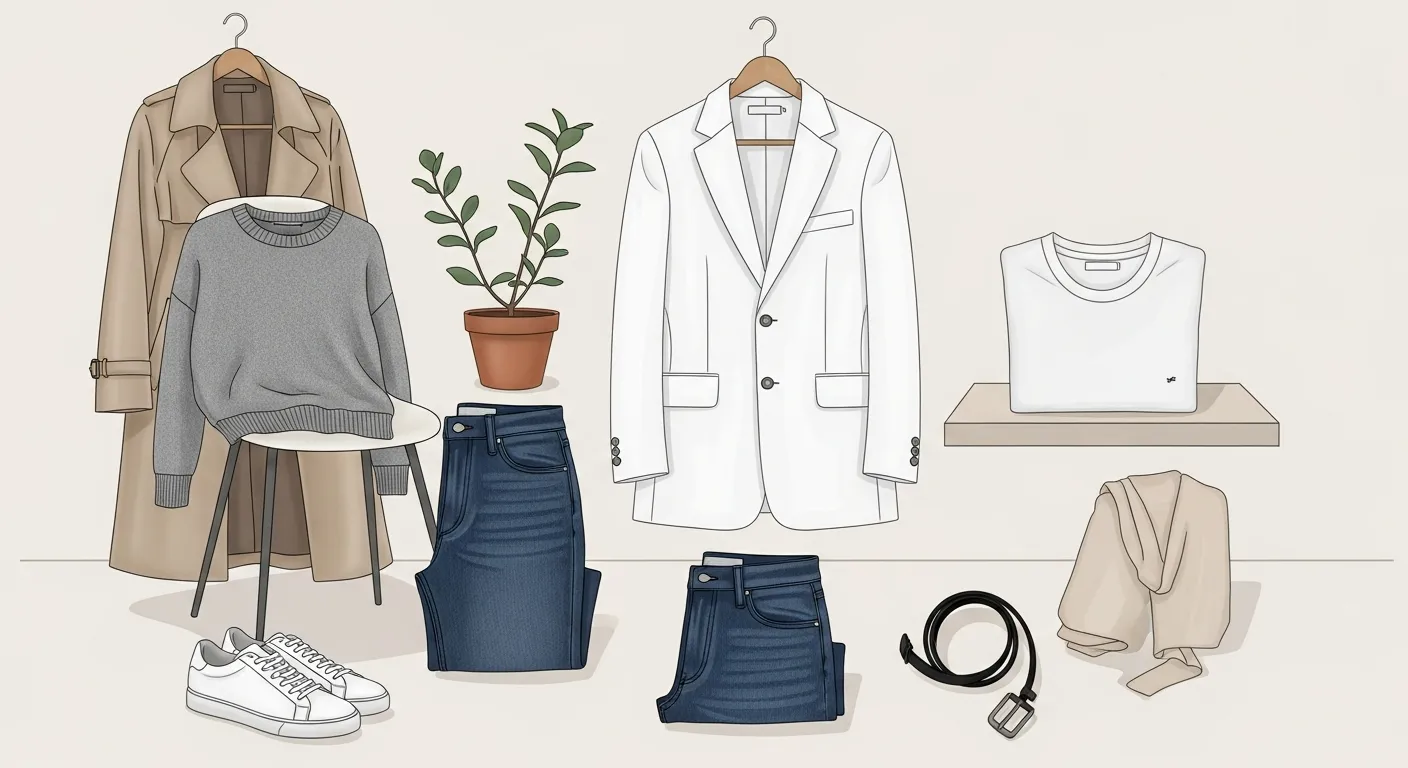
A capsule wardrobe is a curated collection of versatile, timeless Fashion Essentials that you can easily mix and match. The goal is to maximize the number of outfits you can create with a minimal number of items.
A well-planned capsule typically includes neutral bottoms, versatile layering tops, reliable outerwear, and a few key dresses or suits. Because everything coordinates, you eliminate the daily stress of figuring out what goes with what, which is a key component of how to get better style.
Select Your Foundational Basics
Basics are the glue that holds your wardrobe together. When planning your Wardrobe Upgrade, focus on these Fashion Essentials:
- A crisp white t-shirt made of high-quality cotton
- A perfectly fitting pair of dark wash jeans
- A tailored blazer in a neutral color
- A versatile neutral sneaker for casual days
- A reliable, well-fitting pair of dress shoes or boots
When purchasing these items, pay strict attention to the fabric and the cut. A high-quality basic will make even your most vibrant, statement-making pieces look grounded and intentional.
Mastering the Art of Accessorizing
Accessories hold the power to completely change the mood and formality of an outfit. They are the finishing touches that show you put thought into your appearance and are essential when learning how to get better style.
Understand How Accessories Transform an Outfit
You can wear the exact same white button-down shirt and jeans three days in a row and make them look completely different using accessories. Paired with a delicate gold necklace and ballet flats, the outfit feels appropriate for a casual office. Swapping the flats for a pair of heels and adding a bold red lip and a structured leather clutch instantly readies the look for a dinner date.
Utilize Key Accessory Types
Jewelry, bags, shoes, belts, and scarves are the primary tools in your accessory arsenal. A high-quality leather belt can cinch a loose dress to create a completely new silhouette. A silk scarf tied around your neck or attached to your handbag adds a pop of color to a neutral outfit. Shoes heavily dictate the formality of a look, while your choice of bag combines necessary function with aesthetic appeal.
Fit is King: The Tailoring Advantage
You can spend a fortune on designer clothing, but if it does not fit properly, it will never look stylish. Understanding how to get better style means understanding how clothes should drape on your specific frame.
Recognize Why Fit Makes All the Difference
Clothing off the rack is manufactured to fit a generic, mathematically average body shape. Since very few people actually have this exact body type, most garments need minor adjustments. Sleeves that are too long make you look sloppy, while trousers that bunch at the ankles disrupt the visual line of your legs. Proper fit ensures that the clothing flatters your natural proportions.
Utilize Basic Alterations to Elevate Your Look
Find a reliable local tailor and become their best friend. Simple alterations can drastically improve your Wardrobe Upgrade efforts. Hemming pants to the correct length, taking in the waist of a dress, or shortening the sleeves of a jacket are relatively inexpensive tweaks that yield massive visual dividends. Always buy clothing that fits the largest part of your body perfectly, as a tailor can easily take in the rest.
Color and Pattern Play
Moving beyond a wardrobe of pure black and gray can feel intimidating. However, mastering color and pattern is a fast track to developing standout Personal Style.
Master Color Theory and Your Personal Palette
Understanding which colors complement your natural skin tone, hair color, and eye color is a game changer. People with cool undertones typically look vibrant in jewel tones like sapphire blue, emerald green, and stark white. Those with warm undertones shine in earthy colors like mustard yellow, rust orange, and cream. Knowing your best colors makes shopping significantly easier and is a core rule of how to get better style.
Incorporate Patterns Successfully
Patterns add visual interest and depth to an outfit. If you are new to prints, start small. Try a striped t-shirt under a solid jacket, or wear a subtly patterned sock. As you grow more comfortable, you can mix patterns by ensuring they vary in scale. A large, bold floral print pairs surprisingly well with a very fine, subtle pinstripe.
Developing a Shopping Strategy
A great wardrobe is the result of intentional, disciplined shopping habits. Walking into a mall without a plan is a guaranteed way to end up with items you do not need, halting your progress on how to get better style.
Practice Conscious Consumption
Always shop with intention. Keep an active list on your phone of the specific items your wardrobe is missing. When you go to a store, only look for the items on that list. Before making a purchase, ask yourself if you can create at least three different outfits using the new item and clothes you already own. If you cannot, leave it on the rack.
Explore Thrifting and Vintage Finds
Secondhand shopping is an excellent way to find unique, high-quality garments at a fraction of their original cost. Vintage clothing often features superior craftsmanship and durable fabrics. Thrifting also guarantees that you will not walk into a room wearing the exact same mass-produced sweater as three other people, which helps you build authentic Style Confidence.
Experimentation and Evolution: Style as a Journey
Personal Style is not a destination you reach and then abandon. It is a living, breathing expression of your life that should change as you do. Understanding how to get better style means embracing change.
Try New Things Regularly
Do not be afraid of making a style mistake. Try on that bold jacket or test out a completely new silhouette. Go into a fitting room with an open mind and bring in a few pieces you normally would never glance at. You might be surprised to find that a new cut or color looks phenomenal on you.
Document Your Style Journey
Taking quick mirror selfies of outfits you genuinely love is a great habit to build. On days when you are rushing or feeling uninspired, you can scroll through your own camera roll for guaranteed outfit formulas. A style journal serves as a personalized catalog of your very best looks.
Allow Your Style to Evolve
The clothes that suited you perfectly at age twenty will likely not serve your lifestyle at age forty. A change in career, moving to a new city, or becoming a parent will naturally shift your wardrobe needs. Embrace these transitions. Your style should adapt to support your current reality, not trap you in the past.
By applying these strategies consistently, you will build a closet that serves you beautifully for years to come. Ultimately, learning how to get better style is about wearing your clothes with absolute conviction and letting your true self shine through.
Frequently Asked Questions (FAQ)
What is the first step in learning how to get better style?
The very first step is conducting a thorough wardrobe audit. You need to pull everything out of your closet and assess what you actually wear versus what just takes up space. This helps you understand your current habits and paves the way for a successful Wardrobe Upgrade.
How do I figure out what my Personal Style actually is?
Finding your Personal Style requires active research and observation. Create a mood board using platforms like Pinterest to save outfits that appeal to you. Over time, you will notice recurring patterns, colors, and silhouettes that define your unique aesthetic preferences.
Does learning how to get better style require a lot of money?
Not at all; great style is about fit, proportion, and intention, not expensive price tags. You can find incredible Fashion Essentials at thrift stores or vintage shops for a fraction of retail prices. The key is buying strategically and ensuring your clothes fit your body perfectly.
Why do my outfits always look so boring?
Your outfits might look flat because they lack visual interest like texture, layers, or accessories. Adding a structured belt, a piece of statement jewelry, or layering a jacket over a basic tee can instantly elevate a dull look. Mastering these details is a huge part of learning how to get better style.
How should I dress if I am currently looking for a new job?
When dressing for interviews, aim for a classic, tailored look that aligns with the company’s dress code while still showing a bit of your personality. For expert tips on upgrading your professional style and standing out, you can visit this guide on finding your personal style. A sharp outfit combined with a great resume builds ultimate confidence.
What are Fashion Essentials that everyone should own?
Every wardrobe needs a solid foundation of basics to function properly. This includes a crisp white t-shirt, dark-wash denim, a versatile blazer, and comfortable but stylish neutral footwear. These foundational items allow you to mix and match with trendier pieces effortlessly.
How does tailoring impact how to get better style?
Tailoring is the secret weapon of stylish people everywhere. Off-the-rack clothing rarely fits perfectly, so taking your garments to a tailor for minor adjustments—like hemming pants or taking in a waist—makes inexpensive clothes look custom-made.
What is a capsule wardrobe and do I need one?
A capsule wardrobe is a small, curated collection of versatile clothing items that all coordinate with one another. It drastically reduces decision fatigue and helps you maximize outfit combinations. It is a highly recommended strategy for anyone looking to execute a lasting Wardrobe Upgrade.
How can I build Style Confidence when wearing new trends?
Building Style Confidence takes practice and starts by wearing new pieces in low-stakes environments. Wear that bold new jacket to the grocery store or around the house before debuting it at a major event. The more you wear an item, the more natural it will feel on your body.
Can my Personal Style change over time?
Yes, your style absolutely should evolve as your life circumstances change. A promotion, a move to a new climate, or a shift in personal interests will naturally dictate different clothing needs. Embrace these changes as a natural part of your continuing style journey.
