

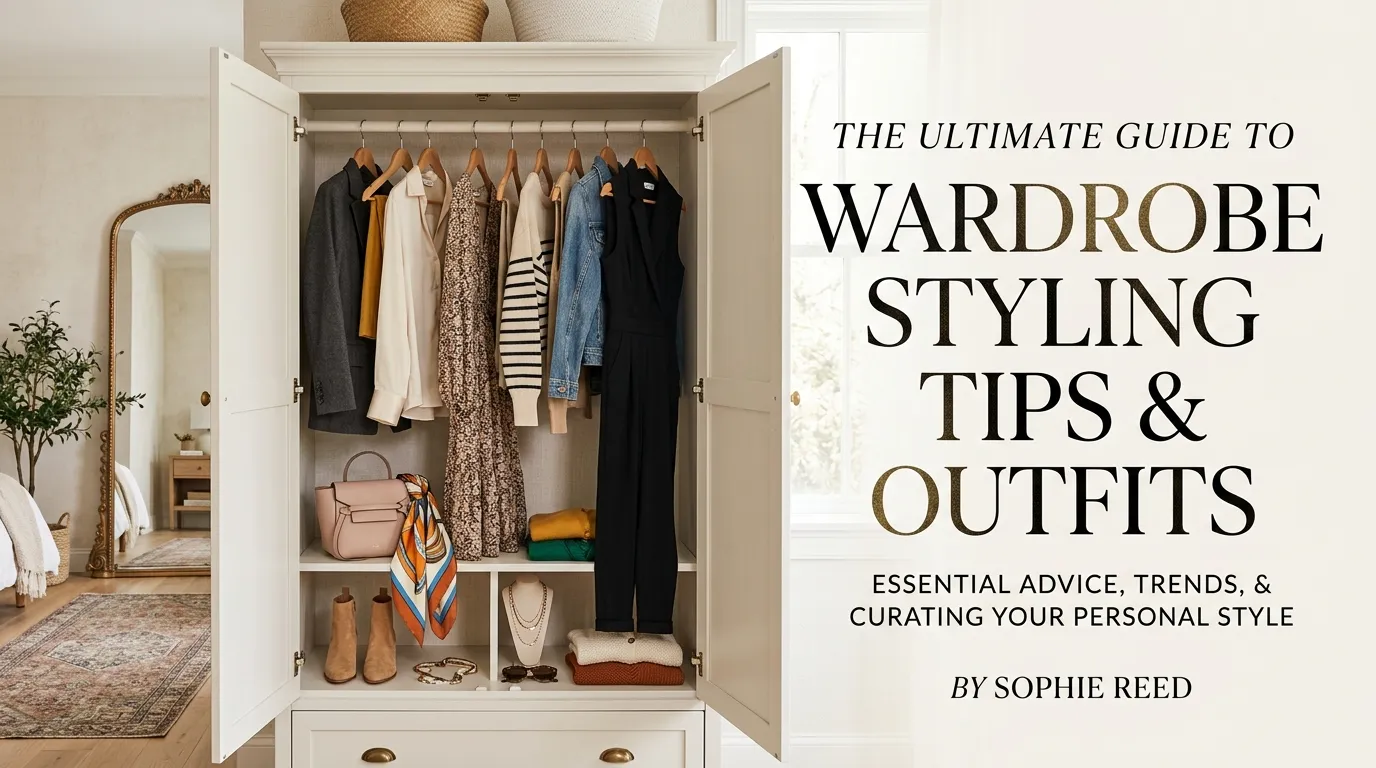
Discover practical wardrobe styling tips to build a confident, versatile, and stylish closet. Learn how to dress for your body shape, master color coordination, create capsule wardrobes, accessorize effectively, and embrace sustainable fashion for effortless everyday style.
Clothing offers an incredible opportunity for self-expression. What you wear speaks volumes before you even say a word. It influences how you feel, how you carry yourself, and how others perceive you. Mastering wardrobe styling tips is not about chasing fleeting trends or spending a fortune on designer labels. Instead, it involves intentionally selecting pieces that make you feel confident, comfortable, and uniquely yourself.
In today’s world, personal wardrobe styling is a lifelong journey. As trends come and go, your wardrobe evolves alongside your personality and stage of life. Building a cohesive collection takes planning, but it also rewards you each and every time you open your closet to get dressed. Your wardrobe becomes a tool for empowerment—representing your mood, goals, and identity.
Many people view getting dressed as a stressful daily chore. You might look at a closet bursting with clothes and still feel like you have absolutely nothing to wear. This common frustration usually stems from a lack of cohesiveness and a misunderstanding of what actually flatters you. When your closet lacks direction, putting together an outfit feels like a puzzle with missing pieces. Having a structured approach to fashion outfit tips is the surest way to minimize stress and maximize joy.
By applying fundamental wardrobe styling tips, you can transform this daily routine into a creative and enjoyable practice. Learning how to dress for your shape, utilize color, and build a versatile foundation will completely change your relationship with your closet. The goal is to curate a collection of garments that work seamlessly together, allowing you to step out the door feeling your absolute best every single day.
Understanding the Basics of Personal Wardrobe Styling
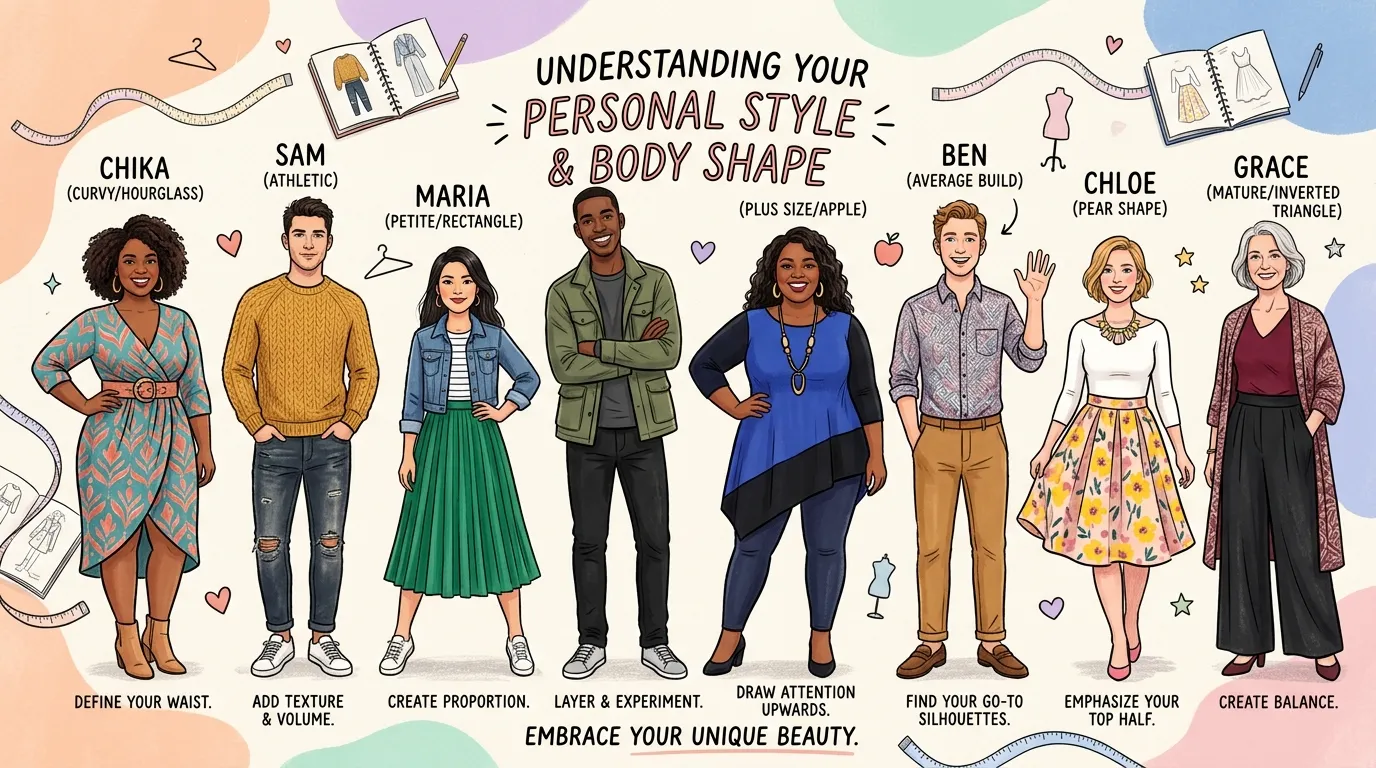
Great style starts with a solid foundation. Personal wardrobe styling goes beyond just picking out nice clothes; it is about curating a collection that serves your lifestyle, aligns with your aesthetic preferences, and fits your body perfectly.
When you focus on personal wardrobe styling, you learn to identify which fabrics drape well, which silhouettes enhance your proportions, and which colors make you shine. It requires a bit of an audit. Look at your current closet. Which pieces do you reach for constantly? Which items still have the tags attached? Understanding your own habits is the first step toward better wardrobe styling tips.
If you want inspiration for your style evolution and want to understand the timeless elements behind today’s top trends, check out this clothing styles guide. It delves into the history of iconic trends and helps you understand the links between personal style and fashion evolution—vital knowledge for building a closet that feels authentic now and always.
A smart approach is to think seasonal: keep staple pieces in easy reach and rotate in statement colors or prints for a sense of freshness. Organizing your wardrobe by occasion is another proven way to avoid the “nothing to wear” dilemma, especially if your week involves varied settings from the office to workouts to nights out.
The Importance of High-Quality Basics
You need reliable staples to anchor your outfits. Excellent fashion outfit tips always emphasize the power of basics.
- Invest in sturdy denim that holds its shape.
- Find plain white t-shirts made from thick, breathable cotton.
- Purchase a well-tailored blazer that can dress up casual looks.
- Keep neutral knitwear on hand for easy layering.
Building slowly but intentionally gives you the freedom to mix and match for years to come. Basics are the hardest-working part of any closet—comfortable pants, a versatile little black dress, and simple outer layers can be styled in countless ways.
Remember: the difference between “okay” and “amazing” often comes down to fabric quality and fit. Higher-end basics last longer, resist pilling, and retain their shape after many washes.
Decoding Body Shapes for Flawless Fits
Finding clothes that look amazing on you starts with understanding your body shape. Rather than trying to change your body to fit the clothes, you should choose clothes that fit and flatter your natural silhouette. Effective wardrobe styling tips rely heavily on this concept.
Identifying Your Proportions
Body shapes generally fall into a few main categories. Recognizing yours makes shopping incredibly simple.
|
Body Shape |
Defining Characteristics |
Best Clothing Choices |
|---|---|---|
|
Pear |
Hips and thighs are wider than the shoulders and bust. |
A-line skirts, structured tops, boat necklines. |
|
Apple |
Midsection is wider compared to shoulders and hips. |
Empire waistlines, V-neck tops, monochromatic looks. |
|
Hourglass |
Shoulders and hips are roughly equal with a defined waist. |
Wrap dresses, tailored belts, high-waisted trousers. |
|
Rectangle |
Measurements are uniform from top to bottom. |
Ruffles, peplum tops, belted jackets to add volume. |
|
Inverted Triangle |
Shoulders are broader than the hips. |
Wide-leg pants, pleated skirts, deep V-necks. |
Understanding your proportions is more than labels; it’s about pinpointing individual preferences. For example, those with broad shoulders can experiment with soft fabrics and V-necks to create a lengthened effect, while a defined waist pairs beautifully with cinched silhouettes and wrap styles.
Many stylists recommend taking measurements yearly or after significant life changes. Body shapes may subtly shift, influencing what works best for you.
The Power of Professional Tailoring
Even the most expensive garments look sloppy if they do not fit properly. Tailoring is the secret weapon of every stylish individual. Having a pair of trousers hemmed, taking in the waist of a dress, or shortening the sleeves of a blazer elevates an off-the-rack item to a custom-fit masterpiece.
Applying these wardrobe styling tips means accepting that clothes are made for a standard fit model, not your unique body. Spending a little extra on alterations transforms your entire appearance.
If you’re unsure what needs adjusting, visit a local tailor for a quick fitting. Often, the smallest changes—tapering pants, nipping in a jacket, or lifting shoulder seams—dramatically improve your overall look.
Color Theory: Mastering Your Personal Palette
Color profoundly impacts how we look and feel. Wearing the right colors makes your skin glow and your eyes pop, while the wrong shades might wash you out. Good wardrobe styling tips always include a basic understanding of color theory.
Discovering Your Undertone
Your skin’s undertone dictates which colors look best on you. Undertones typically fall into three categories: warm, cool, or neutral.
Cool Undertones
Look for silver jewelry and check if the veins on your wrist appear blue or purple. Jewel tones like emerald green, sapphire blue, and crisp white look stunning on you. Cool undertones also pair well with pastel lavender, icy blues, and charcoal.
Warm Undertones
Gold jewelry tends to flatter you best, and your veins might look green. Earth tones like mustard yellow, rich olive, and warm rust make you shine. Try coral, burnt orange, or terracotta for standout pieces in your wardrobe.
Neutral Undertones
You have a mix of both and can successfully pull off almost any color on the spectrum. Seasonally, you can shift your main palette (pastels in spring, jewel tones in winter) for variety and vibrancy.
Creating Cohesion in Your Closet
Once you know your best colors, try to build your wardrobe around them. Start with a base of neutral colors—like navy, black, gray, or camel—for your staple items. Then, weave in two or three accent colors that complement your undertone. This cohesive approach ensures that almost every top can match almost every bottom, expanding your outfit options exponentially.
A harmonious palette also means your accessories will tie into multiple looks. Scarves, shoes, and jewelry in your accent shades can become your signature. Creating color stories across your wardrobe will simplify packing for travel and make putting together outfits intuitive and fun.
Capsule Wardrobe Ideas for Effortless Dressing
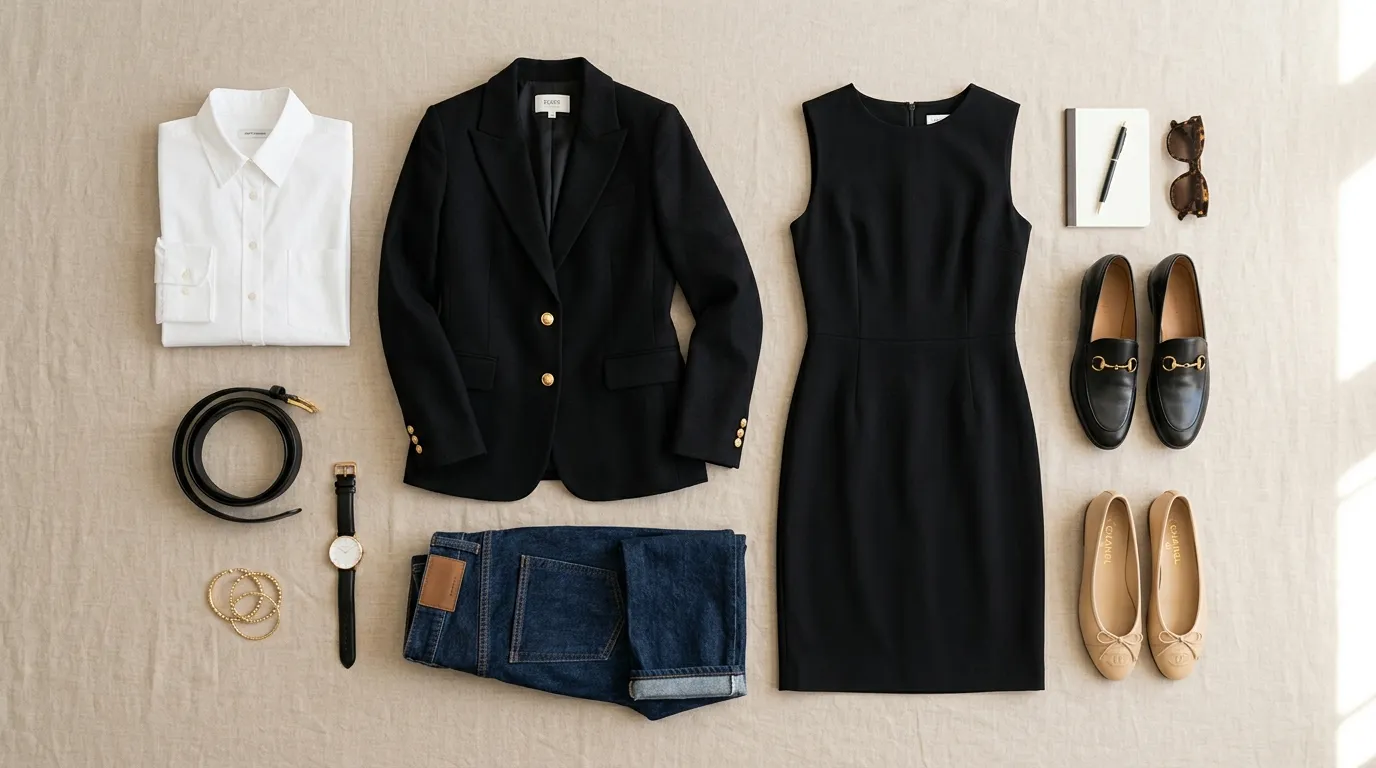
A capsule wardrobe is a curated collection of essential, timeless garments that easily mix and match. This concept significantly reduces decision fatigue and ensures you always have a stylish outfit ready to go.
Selecting Your Core Pieces
The foundation of a capsule relies on high-quality basics. Outstanding capsule wardrobe ideas usually include:
- A crisp white button-down shirt.
- A tailored blazer in a neutral color.
- A versatile pair of dark denim jeans.
- A classic trench coat for layering.
- A simple dress that easily transitions from day to night.
Depending on your climate or work lifestyle, your capsule can expand: think cozy knit pullovers, linen trousers for summer, or sleek boots. Capsule wardrobes can also rotate seasonally, so twice a year, review your collection and swap in weather-appropriate or trend-driven pieces.
For those new to this idea, try a minimalist wardrobe challenge—wear only your curated capsule for a month. You’ll find gaps to fill and core pieces you love.
The Art of Mixing and Matching
With a solid foundation in place, outfit creation becomes incredibly simple. A white button-down shirt can be worn tucked into trousers for the office, tied over a slip dress for a weekend brunch, or paired with jeans and sneakers for running errands. By keeping your capsule highly versatile, you create dozens of different looks from just a handful of carefully selected garments.
Don’t underestimate layering: a light turtleneck under a dress or a blazer over a T-shirt are classic wardrobe styling tips that reinvent your essentials. Accessories like hats or statement bags will inject new personality into your standard outfits.
Accessorizing: The Secret to Great Fashion Outfit Tips
Accessories are the ultimate tools for personalizing an outfit. They have the power to take a basic jeans-and-tee combination and transform it into a highly stylized ensemble.
Jewelry and Hardware
The jewelry you choose sets the tone for your entire look. Delicate gold chains and small hoops offer a refined, elegant vibe suitable for everyday wear. On the other hand, a chunky statement necklace or oversized geometric earrings serve as the focal point of an otherwise simple outfit. Pay attention to the hardware on your bags and belts, as coordinating these metals with your jewelry adds a layer of intentionality to your styling.
Rotating your jewelry seasonally can also keep your looks fresh. Layer thin chains for a boho effect, or opt for a single bold cuff for minimal drama.
Bags, Belts, and Footwear
Never underestimate the impact of a great belt. It cinches a flowy dress, adds structure to an oversized blazer, or provides a necessary break between your top and bottom halves. Footwear is equally important. Swapping out casual white sneakers for a sleek pointed-toe boot instantly upgrades your look from casual to chic. Invest in high-quality bags in neutral tones that comfortably hold your essentials while complementing your aesthetic.
Experiment with trend-driven bags or shoes if your basics are neutral—an electric blue crossbody or snakeskin boot adds edge without overwhelming your style.
Seasonal accessories, from cashmere beanies to woven totes, make your wardrobe both functional and expressive.
Seasonal Wardrobe Styling Tips
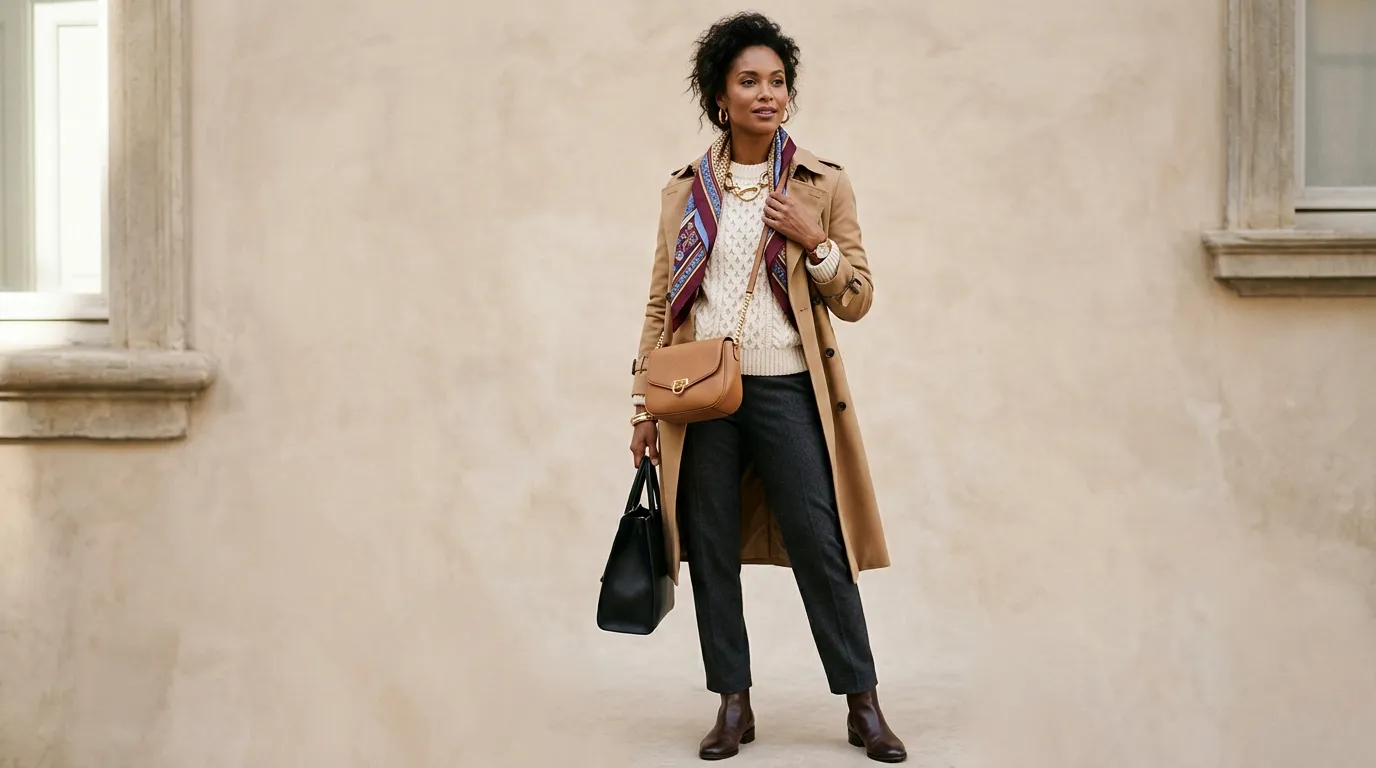
Dressing well requires adapting to the changing seasons while maintaining your personal style. It involves a strategic rotation of fabrics and a mastery of layering techniques.
Mastering the Art of Layering
Layering is crucial for both style and comfort, especially during the transitional months of spring and autumn. Start with a lightweight, breathable base layer. Add an insulating middle layer, such as a cashmere sweater or a denim button-down. Finish with a structured outer layer like a leather jacket or a wool coat. Letting cuffs, collars, and hemlines peek out from beneath outer layers adds wonderful visual interest and depth to your outfit.
Mastering layering also means learning proportions: Crop a sweater over a long shirt or play with a slouchy cardigan over a fitted dress for dimension.
Choosing the Right Fabrics
The materials you wear should shift with the weather. Summer calls for breathable, natural fibers like linen, cotton, and silk to keep you cool. As the temperature drops, transition into heavier materials like wool, cashmere, and tweed. Following a proper clothing style guide helps you select fabrics that perform well in your specific climate.
Blend seasons by pairing summer dresses with chunky sweaters or layering a turtleneck under a slip dress. This not only maximizes outfit options but is a cornerstone of smart wardrobe styling tips.
Sustainable Clothing Style Guide
As consumers become more aware of the environmental impact of the fashion industry, sustainable styling has transitioned from a niche concept to a mainstream necessity. You can look incredibly stylish while still making ethical choices.
Prioritizing Quality Over Quantity
Fast fashion encourages buying cheap, poorly made items that fall apart after a few washes. Instead, adopt a cost-per-wear mentality. A slightly more expensive, ethically produced wool sweater that lasts for ten years is ultimately a better investment than a cheap synthetic one you have to replace every winter. Great wardrobe styling tips emphasize buying less but buying better.
Research brands with transparent supply chains, fair labor policies, and recycled materials. When you invest in quality, you support not just your own style journey, but the health of people and the planet.
Embracing Second-Hand Shopping
Thrifting and buying vintage are excellent ways to build a unique wardrobe sustainably. Consignment shops and online resale platforms offer access to high-quality, designer, and one-of-a-kind pieces at a fraction of the retail cost. Wearing vintage clothing guarantees that you will not walk into a room wearing the exact same outfit as someone else, adding a deeply personal touch to your style.
Host clothing swaps or visit local markets—these are not only eco-friendly but are fantastic ways to find your next fashion inspiration.
Frequently Asked Questions
What are the most important wardrobe styling tips for beginners?
The most important wardrobe styling tips involve understanding your body shape, identifying your color undertones, and investing in high-quality basics. Start by clearing out items that do not fit properly or make you feel uncomfortable. Build a foundation of versatile neutrals before adding trendy pieces or bright patterns.
How do I figure out my personal style?
Figuring out your style requires experimentation and observation. Start saving images of outfits you love and look for common themes in the cuts, colors, and fabrics. For a deeper dive into this process, check out this resource on developing personal style to help refine your aesthetic.
What is a capsule wardrobe?
A capsule wardrobe is a small, curated collection of versatile clothing items that easily mix and match with one another. It usually consists of 30 to 40 pieces, including shoes and outerwear. The goal is to maximize outfit combinations while minimizing closet clutter and decision fatigue.
How do I dress for my body shape?
Dressing for your body shape means choosing silhouettes that balance your natural proportions. For example, if you carry weight in your hips, you might wear structured tops to broaden your shoulders. The key is to highlight your favorite features and ensure your clothing fits well without pulling or bagging.
Why is tailoring so highly recommended?
Tailoring ensures that your clothing fits the specific measurements of your body, rather than a generic sizing chart. A cheap garment that fits perfectly often looks far more expensive than a designer piece that fits poorly. Simple alterations like hemming pants or taking in a waistline make a massive difference in your appearance.
What colors should I wear?
You should wear colors that complement your skin’s natural undertones. Cool undertones look best in jewel tones like emerald and sapphire, while warm undertones shine in earthy colors like mustard and olive. Neutral undertones can generally pull off most colors on the spectrum.
How can I make a basic outfit look more stylish?
You can elevate a basic outfit by utilizing smart fashion outfit tips, particularly through accessories. Add a structured belt, layer delicate jewelry, or wear a stylish pair of shoes to instantly upgrade a simple jeans-and-t-shirt combination. Tucking in your shirt or rolling your sleeves also adds a polished touch.
Is sustainable fashion expensive?
Sustainable fashion does not have to be expensive, especially if you focus on buying less and shopping second-hand. While ethically made new clothing often has a higher upfront cost, its durability makes it cheaper in the long run. Thrifting and participating in clothing swaps are incredibly budget-friendly ways to shop sustainably.
How do I organize my closet effectively?
Organize your closet by categorizing items by type (e.g., all shirts together, all pants together) and then color-coding them from light to dark. Remove out-of-season clothing and store it elsewhere to free up visual space. Using uniform hangers also makes your closet look much cleaner and more inviting.
Can I mix metals when accessorizing?
Yes, mixing metals is highly encouraged in modern personal wardrobe styling. Combining gold and silver adds texture and visual interest to your outfit. To make it look intentional, try wearing a piece of jewelry, like a watch or a stacked ring, that already incorporates both metal tones to tie the look together.
Conclusion
Curating a closet that truly reflects who you are takes time, patience, and a bit of experimentation. You do not need to overhaul your entire collection overnight. Start by auditing what you already own, identifying the pieces that make you feel amazing, and letting go of the items that no longer serve you.
Wardrobe styling is an ongoing evolution. As your lifestyle, career, and tastes change, your closet naturally shifts alongside them. By focusing on fit, color harmony, versatility, and sustainability, you build a collection of clothing that brings you joy. Trust your instincts, apply these wardrobe styling tips daily, and step into the world with absolute confidence.
