

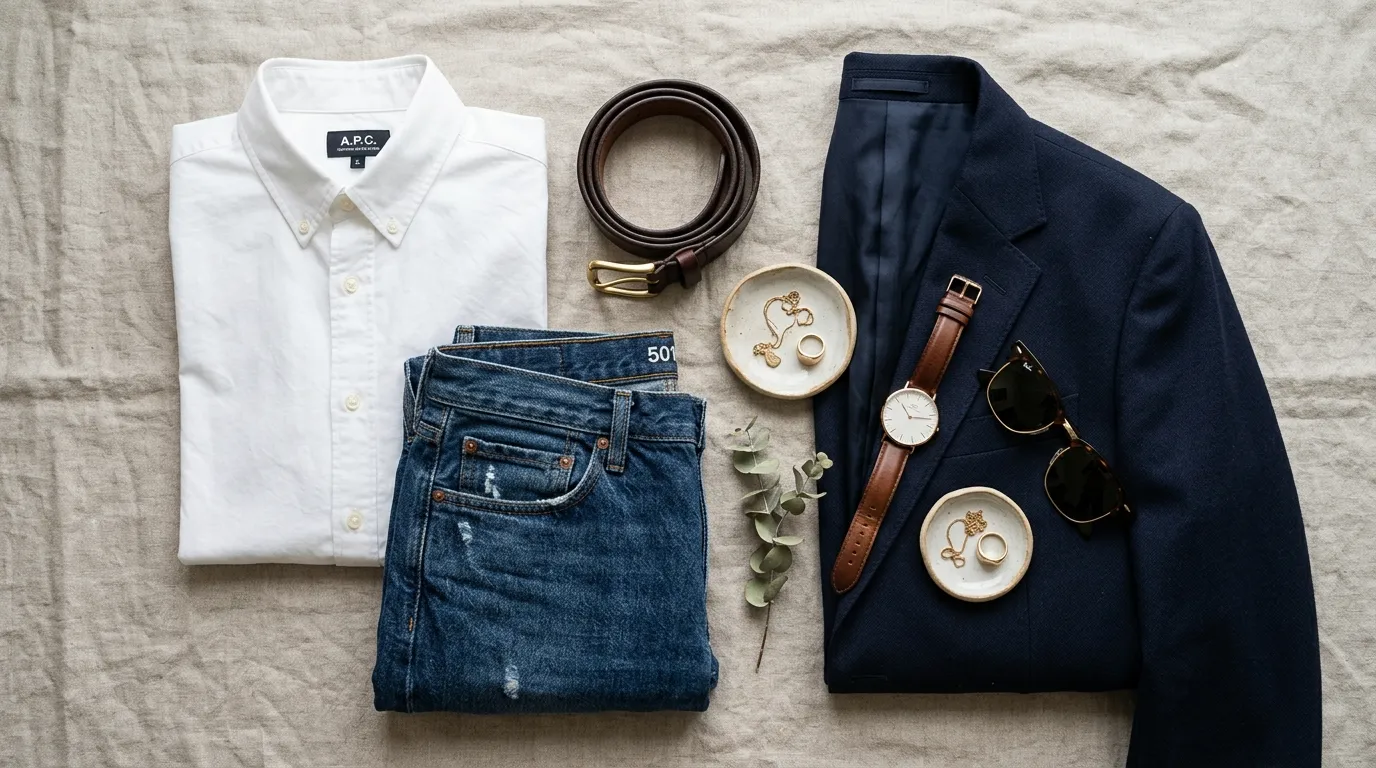
Discover essential wardrobe styling tips to build a functional, stylish closet. Learn personal style, outfit coordination, decluttering, and smart shopping strategies to create versatile outfits that boost confidence and simplify daily dressing effortlessly for everyone.
The clothes you wear have a profound impact on how you carry yourself throughout the day. When you put on an outfit that fits perfectly and reflects your personality, your confidence naturally soars. Clothing serves as a powerful form of non-verbal communication, shaping how others perceive you before you even speak a word. Mastering wardrobe styling tips allows you to take control of this narrative.
However, wardrobe styling goes far beyond chasing the latest fashion trends. It involves curating a collection of garments that suit your lifestyle, flatter your body, and make getting dressed an effortless experience. A well-styled wardrobe serves as a functional toolkit for daily life, ensuring you always have the right pieces for any occasion. Implementing solid wardrobe styling tips saves you time and money while boosting your day-to-day confidence.
This guide will provide comprehensive wardrobe styling tips for building and maintaining a stylish, functional closet. By following these foundational steps, you can transform your wardrobe from a source of daily frustration into a curated space of endless inspiration, filled with practical wardrobe ideas and excellent outfit coordination. Whether your goals include updating your work outfits, revisiting your everyday look, or planning special occasion ensembles, the following advice can jump-start your style evolution.
Understanding Your Personal Style
Before buying new clothes, you need a clear vision of what you actually like. Establishing your personal style forms the foundation of a successful wardrobe. Without this foundation, the best wardrobe styling tips will not help you achieve a cohesive look.
Personal style is deeply individual, combining your preferences, lifestyle needs, and even your mood on any given day. It evolves with you as you grow and experience life changes—so what worked a few years ago may need updating as your circumstances shift.
Identifying Your Aesthetic
Start by gathering inspiration. Create mood boards using platforms like Pinterest or Instagram to save outfits that catch your eye. Look for common themes among your saved images. Do you gravitate toward minimalist tailoring, bohemian prints, or edgy streetwear? Consider your daily lifestyle as well. A corporate lawyer will have different wardrobe needs than a freelance graphic designer. Exploring different style tips will help you pinpoint exactly what makes you feel comfortable and confident.
Don’t be afraid to take fashion personality quizzes or follow influencers whose style resonates with you. Observe how they pair pieces, use color, and choose accessories. Noting what you don’t like is just as important as what you do. Keep a list of no-go items to avoid wasting money on pieces you end up disliking.
Discovering Your Best Colors
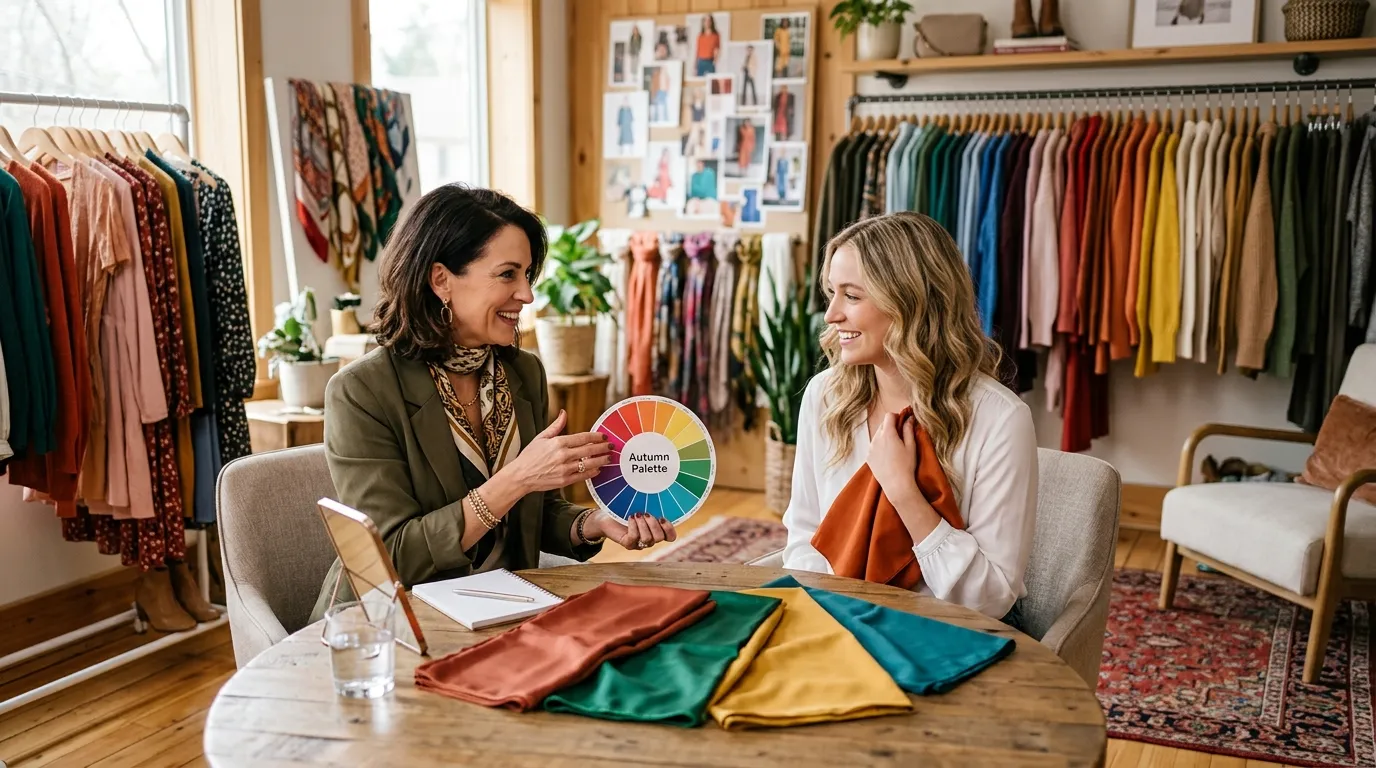
Color analysis can dramatically shift how you shop. Certain hues make your skin glow and your eyes pop, while others might wash you out. Generally, people fall into warm, cool, or neutral undertones. Hold different colored fabrics up to your face in natural light to see which ones enhance your complexion. Once you know your best colors, applying wardrobe styling tips becomes much easier because every piece will naturally complement your features.
Building your closet around a personalized color palette will save you time when shopping and make creating outfits far more streamlined. If you’re unsure, there are many online resources and professional color consultants who can help you figure out your most flattering shades. Remember, colors can influence your mood as well, so stock up on hues that make you feel your best.
Dressing for Your Figure
Understanding your body shape helps you highlight your favorite features. Whether you are pear-shaped, an hourglass, athletic, or apple-shaped, specific cuts and silhouettes will flatter you most. Focus on how clothing makes you feel rather than the size on the tag. Tailoring your garments to fit your unique proportions can make an inexpensive item look luxurious, which is one of the most vital style tips you can learn.
When shopping, try on a variety of shapes—not just what’s familiar. You might be surprised how a new neckline or cut can refresh your profile. Ultimately, there are no strict rules: fashion is about expressing yourself. Use wardrobe styling tips as guidelines rather than limitations.
Decluttering and Auditing Your Wardrobe
A stylish wardrobe requires breathing room. If your closet is packed tightly with clothes you never wear, getting dressed will always feel like a chore. Proper outfit coordination starts with knowing exactly what you own.
Decluttering makes space for meaningful wardrobe ideas and ensures you actually use what you own. An organized closet fuels excitement and creativity, helping you see new possibilities in long-neglected pieces.
The Keep, Toss, Donate Method
Take everything out of your closet and assess each item individually. Sort your clothing into three piles. Keep the pieces you wear regularly and feel great in. Donate items that are in good condition but no longer fit your body or lifestyle. Toss or recycle garments that are stained, torn, or beyond repair. Be ruthless; if you have not worn it in a year, let it go.
- Keep: Items worn in the last 6 months, fit perfectly, and align with your current lifestyle.
- Donate: Items in great condition that no longer fit or match your style.
- Toss: Damaged, permanently stained, or worn-out clothing.
For best results, make this a semi-annual routine. Not only does this step make more room, but it also lets you rediscover pieces you forgot you owned. Invite a friend over for a second opinion, or donate together to make the process social and rewarding.
Identifying Gaps and Redundancies
Once you have pared down your collection, evaluate what remains. You might realize you own ten striped t-shirts but lack a professional blazer. Take note of these redundancies to avoid buying the same items again. Simultaneously, write down the missing pieces that would help connect your existing clothes into complete outfits, enhancing your overall outfit coordination.
Start a digital inventory or use a wardrobe app to track what you own and areas you’d like to improve. Gaps are not limited to clothing; they can also be in accessories, shoes, or even outerwear. Periodically review your inventory to keep your wardrobe fresh and exciting.
Organizing Your Closet for Efficiency
An organized closet saves time and reduces stress. Arrange your clothes by category and then by color. Use matching velvet or wooden hangers for a streamlined visual effect. Keep seasonal items stored away in bins to maximize everyday space for the current weather. Good organization is one of the most practical wardrobe styling tips.
Go beyond hanging or folding—use labeled storage bins, shelf dividers, and drawer organizers for belts, scarves, and jewelry. Consider placing pictures of outfits or inspiration cards inside your closet for quick ideas on how to style new combinations. This extra effort streamlines your routine and makes everyday dressing much more enjoyable.
Building a Versatile Core Wardrobe
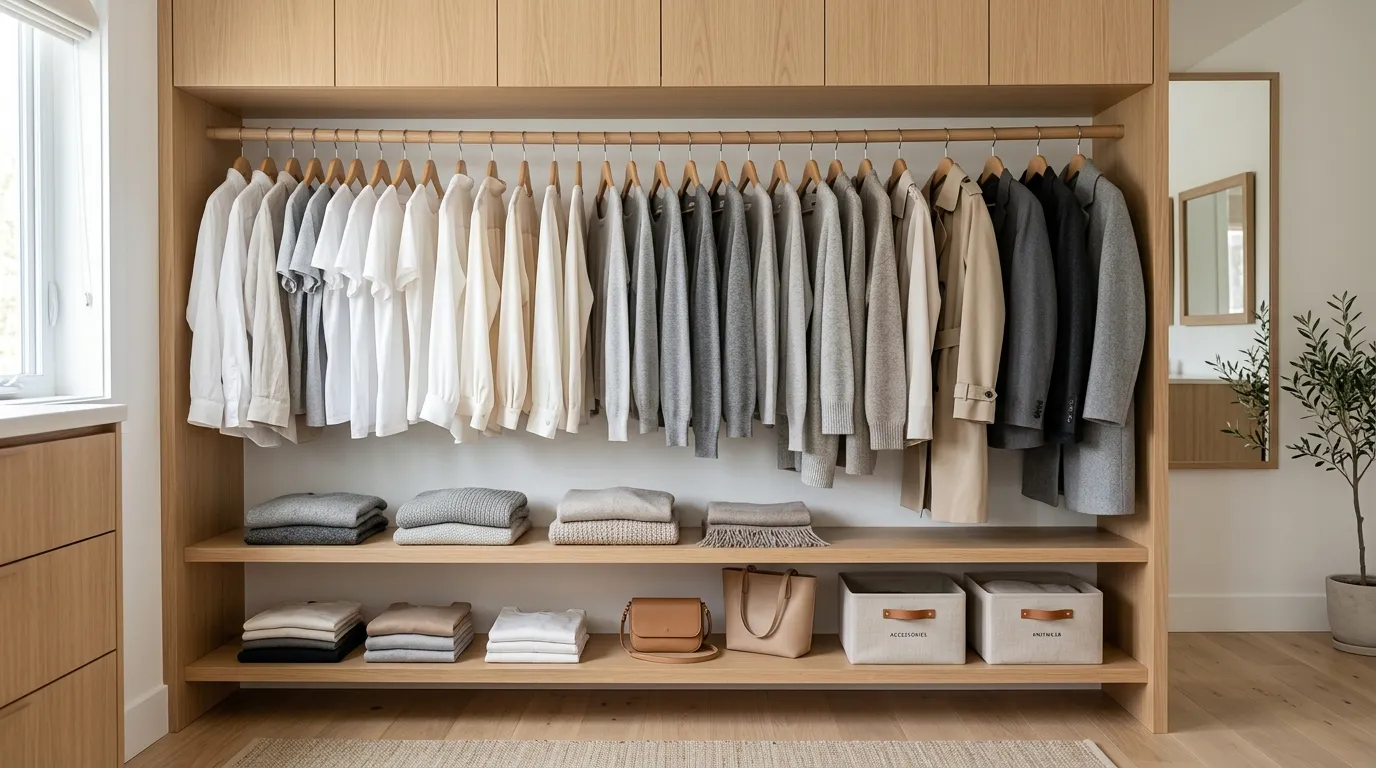
A core wardrobe consists of reliable staples that form the base of most outfits. These essentials ensure you always have something appropriate to wear.
The importance of a solid foundation cannot be overstated. These wardrobe basics form the skeleton for endless outfit coordination possibilities, letting you seamlessly transition between casual, business, and formal scenarios.
Classic Pieces Every Wardrobe Needs
Certain garments remain stylish decade after decade. A tailored blazer instantly elevates a simple t-shirt. A crisp white button-down shirt offers endless styling possibilities. Dark denim jeans seamlessly transition from casual Fridays to weekend dinners. These classic pieces act as the glue that holds your wardrobe together.
- A little black dress (LBD): Adaptable from day to evening.
- Crisp white shirts: Perfect for layering or standing alone.
- Neutral sweaters and cardigans: Great for any occasion.
- Well-fitted jeans in dark and light washes: Dress up or down.
- Structured blazers: Instantly smarten any outfit.
- Black or nude pumps/flats: Go with everything.
To truly understand how these essentials function together, you should study core principles. Learn more about essential fashion basics to build your foundation. Mastering these elements is crucial for effective outfit coordination.
Investing in Quality Over Quantity
When purchasing core essentials, prioritize quality fabrics and solid construction. A well-made wool coat might cost more upfront, but it will last for years and retain its shape. Fast fashion garments often lose their structural integrity after a few washes. Focus on acquiring fewer, better things.
Get familiar with how quality feels—examine seams, stitching, zippers, and linings. Good quality doesn’t always mean luxury brands; sometimes smaller brands or vintage shops offer the best craftsmanship. Document your best-value purchases to help guide future shopping.
The Importance of Neutrals
Neutral colors like black, white, navy, gray, and camel are incredibly versatile. They anchor your wardrobe and provide a quiet background for bolder accent pieces. A closet built on a foundation of neutrals allows for maximum mixing and matching, greatly expanding your wardrobe ideas.
Neutrals also provide visual balance in your closet. If you prefer color, choose one statement hue per outfit and ground it with neutrals. This not only makes outfit coordination easier but makes your morning routine smoother.
Incorporating Trends Thoughtfully
Fashion should be fun, and trying out new trends is a great way to keep your style fresh. The trick is integrating them without losing your personal aesthetic.
When you understand your style foundation, you can branch out in new directions without diluting your unique voice. Use trends as an opportunity to experiment, but never compromise your core wardrobe ideas for a fleeting moment.
Distinguishing Between Fleeting and Lasting
Some trends burn bright and fade quickly, while others evolve into modern classics. Highly specific novelty prints usually fall out of favor within a season. Conversely, wider leg trousers or a new neutral color often stick around for years.
Ask yourself: Will this piece fit into my long-term vision? Can I wear it in multiple ways? The best wardrobe styling tips encourage balance between trendy flair and investment pieces. Save money on ephemeral trends—spend more on those with staying power.
Integrating Trendy Pieces Gracefully
You do not need to overhaul your entire closet to look current. Pick one or two trends that genuinely resonate with your style and weave them in. Pair a trendy brightly colored top with your trusty classic denim. This balances the outfit and ensures you still look like yourself.
Trendy shoes, bags, or jewelry are fantastic low-risk ways to inject freshness into your outfits without overwhelming your core style. If you’re anxious about a trend, rent it or thrift it before committing.
The Art of Accessorizing
Accessories are the finishing touches that transform a collection of clothes into a fully realized outfit. They offer a fantastic opportunity to showcase your personality.
Explore at least one new accessory each season—scarves in winter, sunglasses in summer, layered necklaces for spring. Accessories can tie together an outfit, introduce a pop of color, or create visual interest where needed.
Statement vs. Delicate Jewelry
Jewelry changes the entire mood of a look. Delicate gold chains offer subtle polish for everyday wear. Statement necklaces serve as conversation starters and make a simple black dress feel incredibly glamorous.
Rotate your selection depending on the occasion. Stackable rings, layered bracelets, and earrings let you play with scale and style. Remember, less is often more—let one statement piece shine at a time for optimal impact.
Scarves, Belts, and Hats
These functional items pack a major stylistic punch. A silk scarf tied around your neck adds a touch of vintage elegance. A quality leather belt cinches the waist and breaks up a monochromatic outfit. Hats protect you from the elements and add architectural interest to your silhouette.
Change up your look with a new belt or hat when you’re short on time for a full outfit change. This keeps your style feeling creative and fresh without a complete overhaul.
Mastering Outfit Coordination
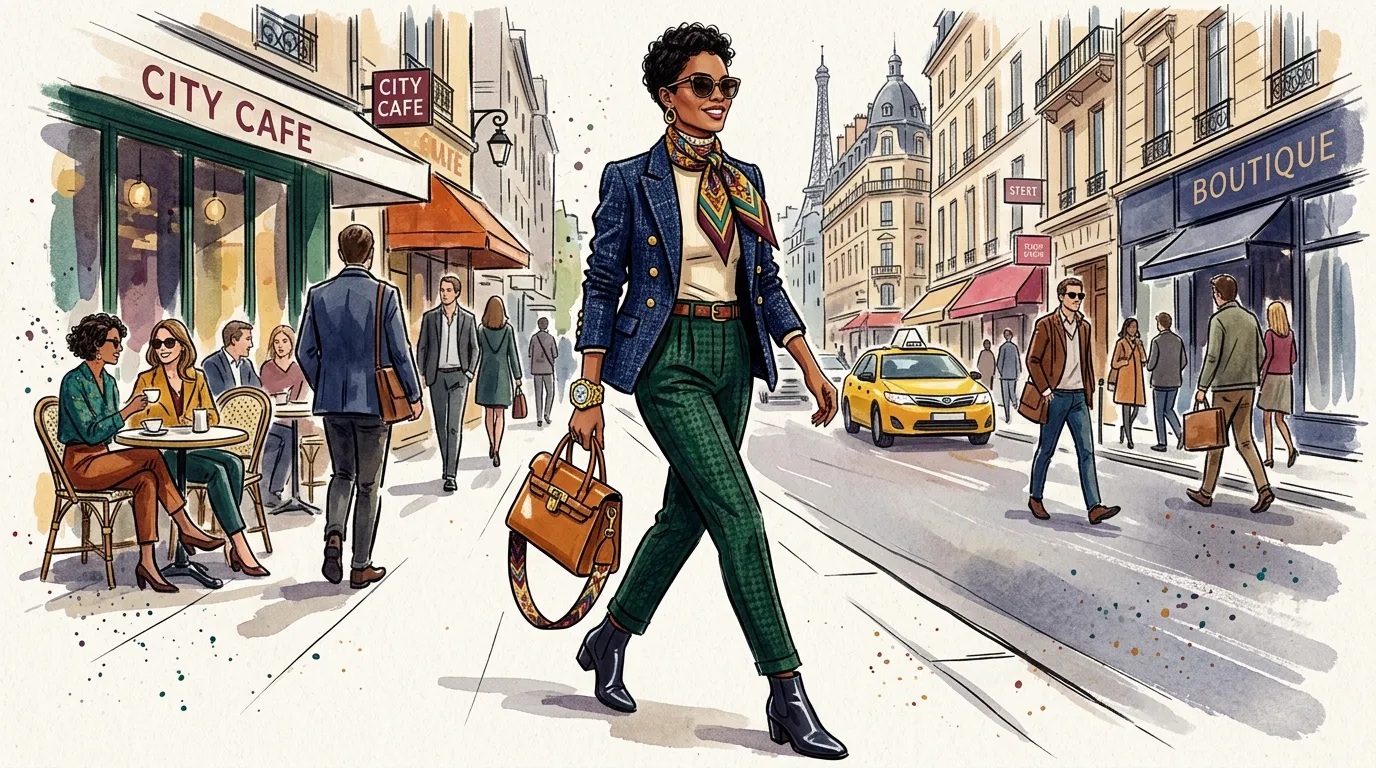
Having great clothes is only half the battle. Knowing how to put them together creatively elevates your styling game.
Develop a habit of planning your outfits for major events in advance. Snapshot your favorite combinations and keep them for reference. Experiment regularly—try pairing unexpected items or layering in new ways to discover hidden favorites.
Layering Techniques
Layering adds depth and visual interest to your outfits while providing practical warmth. Start with a thin base layer, add a textured middle layer like a cardigan or vest, and finish with a structured coat. Roll up your sweater sleeves so the cuffs of your shirt peek through. This is one of the best wardrobe styling tips for transitional weather.
Layer summer dresses over turtlenecks in winter, or slip an oversized denim jacket over your go-to athleisure wear for a new twist. Consider the weight, length, and color of each layer—balance proportions and vary textures for a polished look.
Mixing Patterns and Textures
Do not be afraid to mix different fabrics and prints. Pair a chunky knit sweater with a smooth silk skirt. Combine a subtle pinstripe with a larger floral print, ensuring they share at least one common color.
Start simple with a printed scarf or shoes, then work up to more daring combinations. Always add a solid neutral to ground the look.
Wardrobe Maintenance and Care
To keep your styled wardrobe looking sharp, you must properly care for your garments. Good maintenance extends the life of your clothing significantly.
Proper wardrobe care is part of responsible fashion. Treat your garments well, and they’ll look better and last longer.
Proper Storage for Different Garments
Heavy sweaters should be folded to prevent them from stretching out on hangers. Suits and blazers need shaped wooden hangers to maintain their shoulder structure. Keep delicate silks away from direct sunlight to prevent the colors from fading.
Refresh your clothing between wears with fabric sprays designed to eliminate odors and kill bacteria. For special items, invest in professional storage solutions such as airtight dust bags for shoes or custom garment bags for eveningwear.
Basic Clothing Care
Read the care labels on your clothing. Wash darks and lights separately in cold water to preserve colors and save energy. Invest in a steamer to remove wrinkles quickly without the risk of scorching fabrics with a hot iron.
Learn basic clothing repairs—replacing a button or repairing a hem extends your clothing’s lifecycle and saves you repair costs. Schedule seasonal wardrobe checks to catch problems early and keep your closet rotation in top shape.
Shopping Smart and Sustainably
Building a stylish wardrobe requires strategic shopping habits. Mindless purchasing quickly leads to a cluttered closet full of clothes you never wear.
Before purchasing, ask yourself three questions: Does it fill a gap? Does it work with at least three things I already own? Is it comfortable for daily wear? Adopting a mindful approach ensures every addition makes sense and adds value.
Creating a Targeted Shopping List
Always shop with a purpose. Refer to the list of wardrobe gaps you identified during your closet audit. A list prevents you from wandering into a store and leaving with three things you do not need.
Shop seasonally for the best deals. End-of-season clearance sales are perfect for scoring high-quality basics at a fraction of the price.
Conscious Consumerism
Consider the environmental and social impact of your clothing purchases. Support ethical brands that prioritize fair labor practices and sustainable materials. Explore local thrift stores and high-end consignment shops for unique wardrobe ideas.
Embrace renting or swapping clothing for special events—a sustainable way to enjoy new-to-you pieces without commitment. Challenge yourself with “no-buy” months to refresh your perspective and inspire creativity with what you already own.
Wardrobe Styling Ideas Comparison
To better understand how different wardrobe styling tips apply to various lifestyles, review the comparison table below.
|
Lifestyle |
Core Staples Needed |
Key Accessories |
Best Fabrics |
|---|---|---|---|
|
Corporate Professional |
Tailored suits, blazers, dress trousers |
Leather tote, minimalist watch |
Wool, silk, crisp cotton |
|
Creative Freelancer |
Denim, relaxed blazers, oversized shirts |
Statement jewelry, crossbody bag |
Linen, denim, chunky knits |
|
Active/On-the-Go |
Premium leggings, tech-wear jackets |
Stylish sneakers, durable backpack |
Moisture-wicking blends |
|
Work From Home |
Elevated loungewear, soft cardigans |
Blue-light glasses, cozy slippers |
Cashmere, modal, soft cotton |
Frequently Asked Questions
What are the most essential wardrobe styling tips for beginners?
The most essential step is to focus on fit and comfort before worrying about trends. Build a foundation of high-quality neutral basics that you can easily mix and match. Understanding your body proportions will completely change how you approach shopping.
How do I figure out my personal style?
Start by creating a digital mood board of outfits you naturally gravitate toward. Look for recurring themes, colors, and silhouettes in the images you save. Then, evaluate your daily lifestyle to ensure your desired aesthetic is actually practical for your routine.
How can I elevate my everyday look effortlessly?
Focus on small details and proper grooming to instantly upgrade your appearance. Read how to get a better style to discover practical strategies for daily refinement. Even a simple t-shirt and jeans look polished with the right accessories and well-groomed hair.
What is a capsule wardrobe?
A capsule wardrobe is a curated collection of versatile, high-quality clothing items that all coordinate perfectly with one another. It usually consists of around 30 to 40 items, including shoes and outerwear. This approach minimizes decision fatigue and maximizes outfit coordination.
How often should I audit my closet?
You should aim to audit your closet at least twice a year, typically during seasonal transitions. This helps you rotate your clothing, store out-of-season items properly, and identify any gaps in your wardrobe. Regular audits prevent clutter from building up.
Are expensive clothes always better for outfit coordination?
Price does not always guarantee quality or style. While investing in well-made staples is wise, you can find excellent fashion basics at affordable price points. Focus on the fabric composition, the stitching, and how the garment fits your body.
How do I mix patterns without looking messy?
The key to mixing patterns is maintaining a cohesive color palette. Pair a large, bold pattern with a smaller, more subtle print. Make sure at least one color is shared between the two patterns to tie the look together seamlessly.
What colors count as neutrals in fashion basics?
Traditional neutrals include black, white, navy, gray, beige, and camel. However, olive green and muted blush pink can also act as neutrals depending on your skin tone and the rest of your wardrobe. These colors provide a grounding base for bolder pieces.
How do I stop making impulse clothing purchases?
Implement a strict 24-hour waiting period before buying any new item. Ask yourself if you can create at least three different outfits using the new piece and items you already own. Shopping with a specific list of needed items also greatly reduces impulse buying.
Can I still wear trends while keeping a minimalist wardrobe?
Absolutely. The best way to incorporate trends into a minimalist wardrobe is through accessories or single statement pieces. Pair a trendy handbag or a seasonal color with your classic, neutral staples to look current without cluttering your curated closet.
Conclusion
Building a functional and beautiful wardrobe is a continuous process of discovery and refinement. By auditing your current closet, investing in versatile core pieces, and practicing smart shopping habits, you will create a collection of clothing that truly serves your lifestyle. Keep these wardrobe styling tips in mind as you refine your everyday look. Use these strategies as a framework, but always trust your own instincts and wear what makes you feel fantastic. With patience and creativity, you can build a wardrobe that works for every part of your life and truly expresses who you are.
