

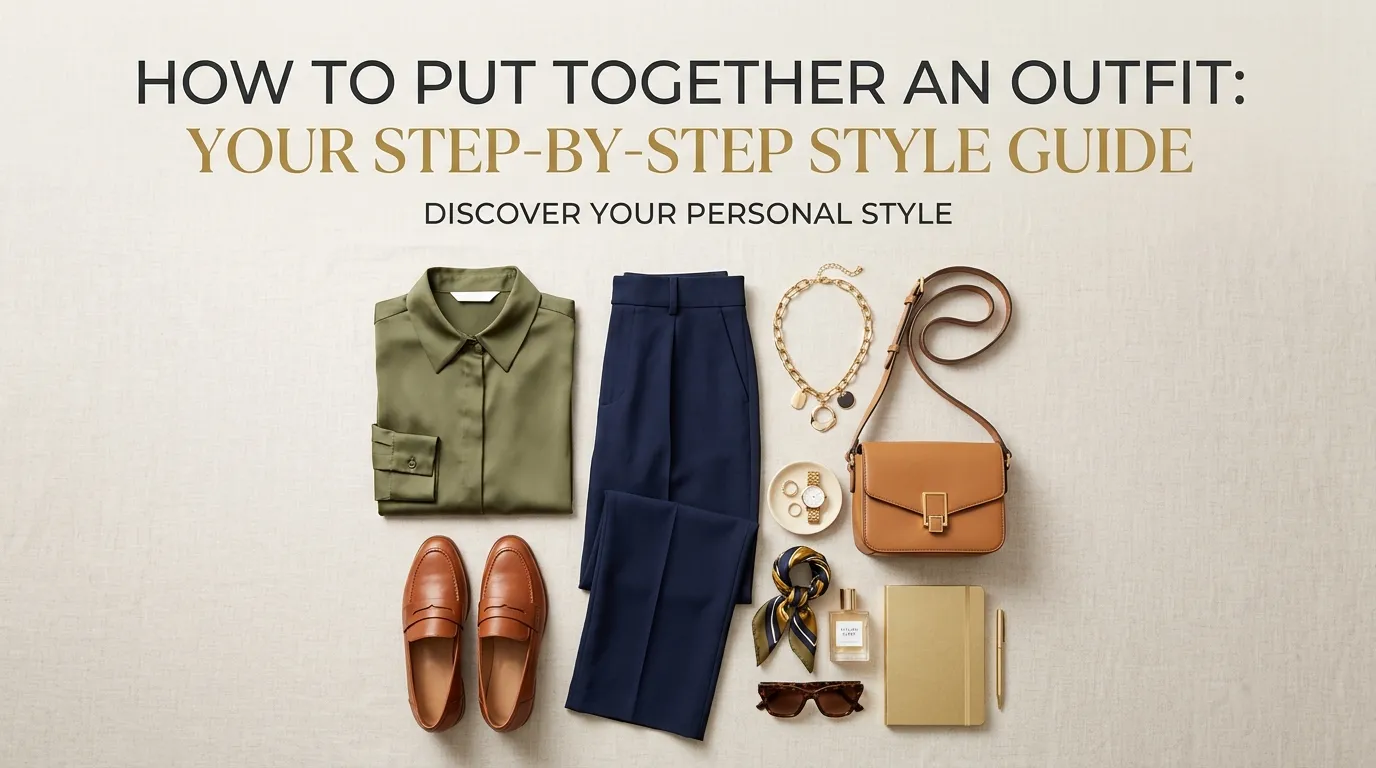
This guide explains how to put together an outfit by understanding personal style, building a versatile wardrobe, mastering layering, using accessories effectively, and dressing appropriately for different occasions while balancing comfort, confidence, and everyday practicality.
We all know the feeling of staring at an overflowing closet and thinking you have absolutely nothing to wear. You try on five different shirts, swap out your jeans twice, and still end up wearing the exact same clothes you wore three days ago. Getting dressed should never feel like a high-stress puzzle you have to solve before your morning coffee. Learning how to put together an outfit is a fundamental skill, and like any skill, it can be learned, practiced, and mastered.
A great outfit makes you feel confident, comfortable, and ready to face the day. This step-by-step guide will walk you through the entire process of creating effortlessly stylish outfits. You will learn how to pinpoint your personal style aesthetic, build a versatile wardrobe foundation, and use accessories and layers to elevate your daily looks.
By the time you finish reading, you will have a clear strategy for getting dressed. You will understand how colors work together, how to shop for pieces that actually fit your lifestyle, and how to conquer the infamous “nothing to wear” syndrome once and for all. Let’s explore exactly how to put together an outfit from the ground up.
Understanding Your Personal Style
Before you can assemble a great look, you need to understand what you actually like. Your personal style acts as a reflection of your personality, your lifestyle, and your preferences. Knowing how to put together an outfit begins with knowing yourself.
Identifying Your Style Aesthetic
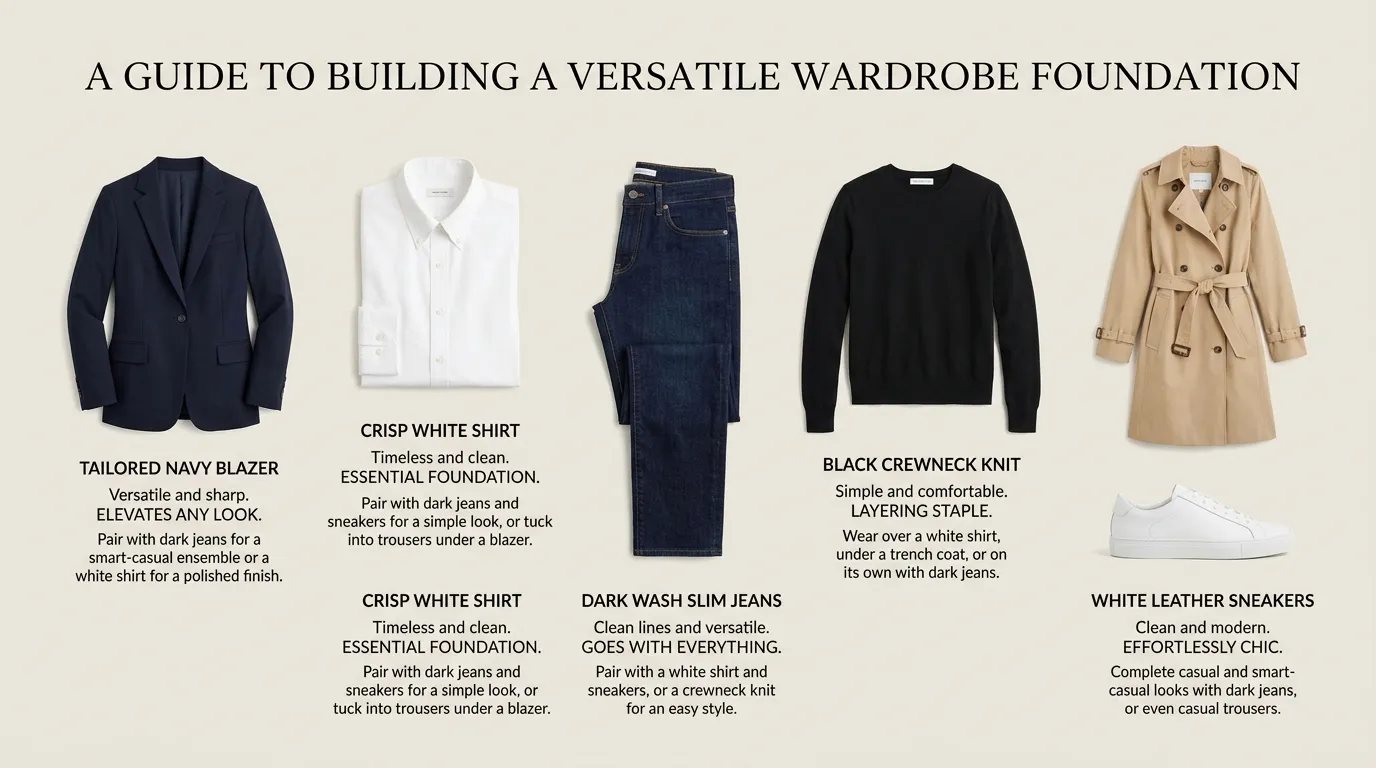
Take a moment to evaluate the clothes you already wear the most. Look for common themes. Do you gravitate toward tailored blazers and crisp button-downs? Your style might be classic and professional. Do you prefer relaxed fits, vintage band tees, and distressed denim? You might lean toward a grunge or casual street-style aesthetic. Create a mood board using platforms like Pinterest to collect images of outfits you admire. Over time, a clear pattern will emerge, highlighting the specific cuts, vibes, and details that appeal to you.
Body Shape and Flattering Silhouettes
Knowing your body shape helps you choose clothing silhouettes that highlight your favorite features. If you have an hourglass figure, you might find that high-waisted trousers and wrap dresses flatter your natural waistline. Those with a pear shape often look fantastic in A-line skirts that balance their proportions. Understanding your shape is about giving yourself the knowledge to pick items that make you feel your best. When you know how to put together an outfit that flatters your frame, you stop forcing yourself into trends that do not serve you.
Color Theory Basics for Your Wardrobe
Color plays a massive role in how an outfit comes together. Start by determining if you have warm, cool, or neutral undertones in your skin.
- Warm undertones: Pair beautifully with earthy colors like olive green, mustard yellow, and warm browns.
- Cool undertones: Pop against jewel tones like emerald green, sapphire blue, and stark black.
- Neutral undertones: Look great in almost anything, especially muted shades like blush pink and soft grey.
Once you know your best colors, build your wardrobe around a cohesive palette. Pick two or three base neutrals—like navy, camel, or charcoal—and add a few accent colors to keep things interesting.
The Foundation: Building a Versatile Wardrobe
You cannot build a beautiful house without a solid foundation. The same rule applies to your closet. A versatile wardrobe relies on core staples that work together seamlessly. Understanding how to put together an outfit requires having the right building blocks.
Essential Staples Every Wardrobe Needs
Every closet requires a few reliable basics. A well-fitting pair of blue jeans remains non-negotiable. Add a crisp white t-shirt, a classic tailored blazer, and a versatile neutral sweater. You should also have a reliable pair of everyday trousers and a simple dress that can easily transition from day to night. These basic items act as the blank canvas for your daily outfits, allowing you to mix and match without stress.
Investing in Quality Pieces
Focus on buying the best quality you can afford for items you wear constantly. A high-quality wool coat will keep you warmer and last years longer than a cheap synthetic alternative. Leather shoes provide better support and wear better over time than faux leather. Spending a little extra on your core staples saves you money in the long run because you will not have to replace them every few months.
Seasonal Considerations
Your foundation should adapt to the changing weather. In the summer, your staples might include breathable linen shirts and comfortable cotton shorts. During the colder months, heavy knit sweaters and insulated coats become your daily uniform. Store out-of-season clothing in bins or vacuum-sealed bags to free up closet space and keep your daily choices focused and relevant.
Comparing Wardrobe Basics vs. Trendy Pieces
To understand how to put together an outfit effectively, you need to balance your closet between basics and trends.
|
Feature |
Wardrobe Basics |
Trendy Statement Pieces |
|---|---|---|
|
Lifespan |
Years to decades |
One to two seasons |
|
Versatility |
High (pairs with anything) |
Low (requires specific matching) |
|
Cost Per Wear |
Very low |
High |
|
Colors |
Neutrals (black, white, navy) |
Bold prints, neon colors, current fads |
|
Purpose |
Forms the foundation of the outfit |
Adds personality and current flair |
The Art of Accessorizing
Accessories act as the finishing touches that take an outfit from basic to brilliant. They allow you to show off your personality without committing to bold clothing choices. Learning how to put together an outfit means mastering the details.
Jewelry: From Subtle to Statement
Jewelry completely alters the mood of your clothing. A simple pair of gold hoop earrings and a delicate chain necklace add quiet elegance to a white t-shirt and jeans. On the other hand, a chunky statement necklace or a stack of thick bangles can make a simple black dress feel vibrant and bold. Try mixing metals if you feel adventurous, or stick to one metal tone for a highly polished appearance.
Scarves, Belts, and Hats: Adding Personality
Do not underestimate the power of functional accessories. A patterned silk scarf tied around your neck or attached to your handbag adds a sudden pop of color. Belts are excellent for defining your waist and breaking up monochromatic outfits. Hats—from wide-brimmed fedoras to casual baseball caps—can hide a bad hair day while adding a distinct edge to your overall look.
For more tips on styling pieces to match flawlessly, read how to coordinate your outfits here to elevate your styling game.
Shoes and Bags: Completing the Look
Your choice of footwear and bag dictates the formality of your outfit. Pairing a floral dress with white sneakers creates a relaxed, weekend-ready vibe. Swap those sneakers for a sleek pair of ankle boots, and that exact same dress is instantly ready for a dinner date. Keep a structured tote bag for workdays and a smaller crossbody bag for running errands or casual outings.
Mastering Layering
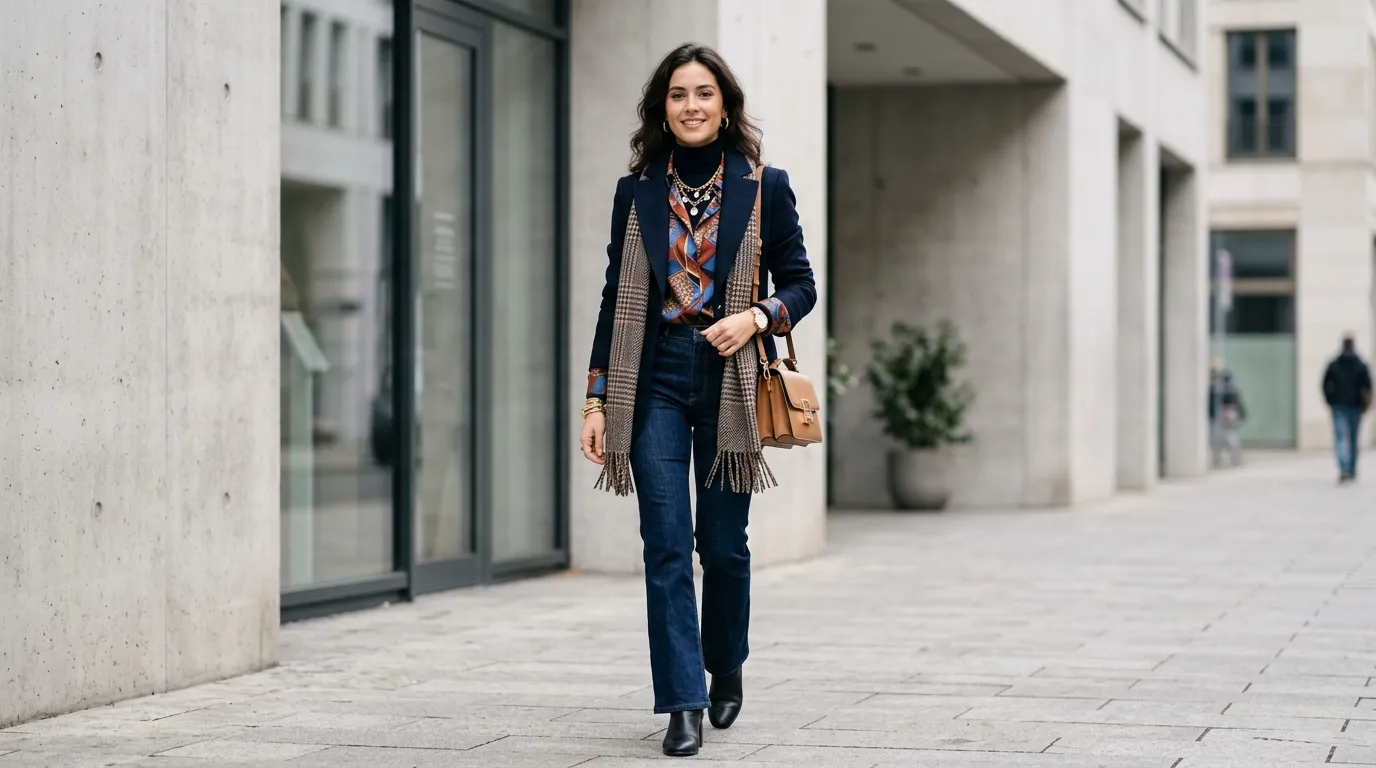
Layering represents the secret weapon of incredibly stylish people. It adds visual interest, depth, and practicality to any look. If you want to know how to put together an outfit like a fashion editor, focus on layers.
Why Layering Matters
Wearing a single shirt and a pair of pants can sometimes look flat. Adding a third piece—like a cardigan, a denim jacket, or a tailored vest—brings texture and dimension to your outfit. Layering also allows you to play with proportions and colors in a way that feels intentional and put-together.
Techniques for Effective Layering
The golden rule of layering is to start thin and work your way to thicker fabrics. Wear a fitted cotton turtleneck under a slightly looser cashmere sweater, and top it all off with a heavy wool trench coat. Keep your inner layers relatively form-fitting to avoid looking bulky. Let your collars, cuffs, and hemlines peek out to show off the different elements of your look.
Balancing Proportions
When learning how to put together an outfit using layers, always balance your proportions. If your top layers are oversized and chunky, keep your bottom half fitted with slim trousers or leggings to avoid looking swallowed by your clothes.
Practical and Stylish Layering for Different Climates
Layering is crucial for transitional weather. During mild autumn days, a lightweight trench coat over a cotton sweater provides warmth without causing you to overheat. In extremely cold climates, thermal base layers under your everyday clothes provide essential insulation without sacrificing your personal style.
Occasion-Based Dressing
Knowing how to dress appropriately for different environments ensures you always feel comfortable and confident in your surroundings. Tailoring your approach based on the event is a key part of how to put together an outfit.
Casual Chic: Everyday Outfits
Everyday dressing should prioritize comfort while still looking neat. Elevate your basic leggings or sweatpants by swapping them for relaxed-fit jeans or comfortable wide-leg linen pants. Pair them with a high-quality graphic tee and a slightly oversized cardigan. Finish the look with clean sneakers and a simple crossbody bag for an outfit that feels easy but looks highly intentional.
Professional Polish: Office Attire
Workwear does not have to be boring. If your office requires business casual attire, rely on tailored trousers and silk blouses. A well-fitted blazer instantly adds authority to any outfit. Play with subtle patterns, like a pinstripe trouser or a houndstooth jacket, to show off your personality while remaining strictly professional. Keep your footwear polished, opting for loafers, oxfords, or closed-toe heels.
Evening Elegance: Special Occasions
Dressing for an evening out gives you permission to play with luxurious fabrics and dramatic silhouettes. Velvet, silk, and satin catch the evening light beautifully. A tailored jumpsuit acts as a fantastic alternative to the traditional cocktail dress. Focus on one statement element—like a bold red lip, a plunging neckline, or a pair of sparkling chandelier earrings—and keep the rest of your outfit relatively restrained.
Outfit Planning Strategies
A little bit of preparation prevents morning fashion panics. Adopting a few strategic planning methods will transform how you interact with your wardrobe and change how to put together an outfit.
The 5-Piece Rule
If you feel your outfits lack depth, try the 5-piece rule. Count your top and bottom as pieces one and two. Your shoes are piece three. To complete the outfit, you must add at least two more pieces. These could be a jacket, a hat, a statement belt, or a prominent piece of jewelry. This simple checklist guarantees your outfit always has enough visual interest to stand out.
Creating a Capsule Wardrobe
A capsule wardrobe consists of a limited number of highly versatile items that all mix and match perfectly. By paring down your closet to 30 or 40 essential items, you eliminate decision fatigue. Because everything coordinates, you can reach into your closet blindfolded and still pull out a cohesive outfit.
Using Apps and Tools for Outfit Planning
Technology can help you manage your closet. Apps allow you to upload photos of your clothing and create digital lookbooks. You can plan your outfits for the entire week on a Sunday afternoon, saving you precious time on busy weekday mornings.
Troubleshooting Common Outfit Dilemmas
Even the most stylish people run into wardrobe roadblocks. Here is how to handle the most common fashion frustrations when figuring out how to put together an outfit.
“Nothing to Wear” Syndrome
When you feel like you have nothing to wear, your closet is likely too cluttered. Take an afternoon to declutter. Remove items that no longer fit, pieces with permanent stains, and clothes you simply do not like anymore. Once you can actually see the clothes you love, putting together an outfit becomes significantly easier.
Mixing Patterns and Textures
Mixing patterns can feel intimidating, but it yields amazing results. The trick is to vary the scale of the prints. Pair a large, bold floral skirt with a top featuring tiny, subtle polka dots. Unifying the patterns with a common color also helps them blend smoothly. If patterns feel like too much, mix textures instead. Wear a chunky knit sweater with a smooth silk skirt for a beautiful contrast.
Dressing for Comfort Without Sacrificing Style
You do not have to suffer to look good. Seek out brands that prioritize comfortable fabrics with stretch. Tailoring is your best friend here; a cheap pair of pants tailored to fit your body perfectly will always feel better and look more expensive than designer pants that pinch or sag.
Frequently Asked Questions (FAQ)
How do I figure out my personal style?
You figure out your personal style by analyzing what you currently wear and making mood boards of outfits you love. Look for recurring colors, cuts, and overall aesthetics in the images you save. Over time, you will notice a distinct pattern that defines your unique look.
What are the most important wardrobe staples to own?
The most important staples include a great pair of fitting jeans, a white t-shirt, a classic blazer, and comfortable neutral shoes. These items act as the building blocks for almost any look. When you have strong basics, knowing how to put together an outfit becomes incredibly easy.
How can I make a basic outfit look more interesting?
You make a basic outfit look more interesting by adding a “third piece” like a jacket, cardigan, or vest. Accessorizing with statement jewelry, a patterned scarf, or a bold belt also elevates the look. Textural contrast, like mixing leather with chunky knitwear, adds immediate visual depth.
How many colors should I wear in one outfit?
A good rule of thumb is to stick to three colors in a single outfit to maintain a cohesive look. Use a dominant neutral color for your main pieces, a secondary color for depth, and a third color as a bright accent. This keeps the outfit balanced without overwhelming the eye.
What is a capsule wardrobe and do I need one?
A capsule wardrobe is a small collection of versatile, mix-and-match items designed to streamline your dressing process. It helps reduce decision fatigue and saves you money. Check out this guide on building a sustainable capsule wardrobe to start minimizing your closet effectively.
How do I know if clothes actually fit me properly?
Clothes fit properly when they do not pull, pucker, or restrict your natural movement. Shoulder seams should sit right at the edge of your shoulders, and pants should not gap at the waistband. When clothes fit well, they drape smoothly over your body and feel comfortable all day.
Can I mix black and navy blue in the same outfit?
Yes, you can absolutely mix black and navy blue in the same outfit. To make it look intentional, ensure there is a clear contrast in texture or tone between the two pieces. Adding a third neutral, like a white shirt or metallic accessories, helps bridge the two dark colors seamlessly.
How do I dress well on a tight budget?
You dress well on a budget by investing in a few high-quality basics and skipping fast-fashion trends. Shop at thrift stores, consignment shops, or online resale platforms for gently used premium items. Focus on proper fit and fabric care; well-ironed, tailored clothes always look more expensive.
What is the 5-piece rule in fashion?
The 5-piece rule is a styling trick to ensure your outfit has enough visual interest to stand out. Your top, bottom, and shoes count as the first three pieces. You then add at least two more items, like a jacket, a hat, or a statement necklace, to complete the look.
How can I make my legs look longer with clothes?
You can make your legs look longer by wearing high-waisted pants or skirts that sit above your natural waistline. Monochromatic dressing, such as wearing the same color pants and shoes, creates an unbroken vertical line. Pointed-toe shoes and vertical stripes also visually elongate the lower body.
Elevate Your Daily Style Routine
Learning how to put together an outfit is an ongoing process of self-discovery. By identifying your aesthetic, investing in versatile basics, and playing with layers and accessories, you turn dressing from a daily chore into an enjoyable creative exercise. Keep your closet organized, plan ahead when possible, and always prioritize clothing that makes you feel confident.
Start small this week. Try the 5-piece rule tomorrow morning, or spend an hour organizing your closet to see what hidden gems you already own. Fashion provides an amazing outlet for self-expression, so give yourself the freedom to experiment and find joy in your daily routine.
