


In today’s digital landscape, runway trends continue to captivate fashion enthusiasts by showcasing boundary-pushing designs, innovative silhouettes, and fresh color narratives straight from global catwalks. While these high-fashion moments can feel remote, the true magic lies in translating those avant-garde concepts into approachable, everyday outfits. Whether you’re grabbing coffee with friends, heading to the office, or enjoying a weekend gallery visit, harnessing runway trends can infuse your wardrobe with creativity and confidence.
Designers are drawing inspiration from sustainable craftsmanship, ’70s nostalgia, and futuristic minimalism. From exaggerated shoulders to sculptural accessories, each statement piece tells a unique story. By deconstructing the essence of these looks—focusing on proportion, palette, texture, and personal expression—you can curate ensembles that feel both high-end and authentic. In this guide, we’ll explore five essential strategies to decode, adapt, and wear runway trends in ways that align with your lifestyle, budget, and individual flair. Get ready to reimagine your closet and make every day a showcase of your style evolution.
Understanding the Core Elements of Runway Trends
Defining Collection Narratives
Each runway presentation begins with a central theme—an artistic vision that shapes every aspect of the collection. Many designers are weaving stories of sustainability, retro revival, and architectural forms. To tap into these narratives, follow fashion week reviews on credible education platforms like the Fashion Institute of Technology. Analyze whether the designer emphasizes fluid movement, structural details, or eco-friendly materials. By pinpointing the underlying concept, you’ll be better equipped to select pieces that resonate with your personal taste.
Identifying Signature Silhouettes
From voluminous outerwear to streamlined tailoring, signature silhouettes set the tone for each season. Observe runway galleries to spot consistent shapes—are models rocking exaggerated shoulders, low-slung waists, or asymmetrical hems? Note how proportions balance fitted and loose elements. This awareness helps you choose wearable interpretations: a softly tailored blazer instead of an oversized sculptural coat or a subtly flared pant rather than a gravity-defying wide-leg style.
Spotting Standout Fabrics and Finishes
Materials convey mood as much as cuts. Runway trends this year spotlight vegan leather, bonded knits, metallic mesh, and recycled denim. Create a reference folder of textures you admire, then hunt budget-friendly alternatives at high-street retailers or thrift shops. Understanding which fabrics give the desired effect allows you to recreate that tactile richness without relying on original designer price tags.
Learning from Influential Voices
Fashion editors, stylists, and street-style photographers share invaluable insights into runway interpretations. Follow reputable industry commentators on social media and read critiques from research-focused institutions to discover analytical perspectives. This layering of expert viewpoints sharpens your ability to extract versatile elements from the most experimental looks.
Aligning Trends with Your Personal Style and Lifestyle
Assessing Daily Routines
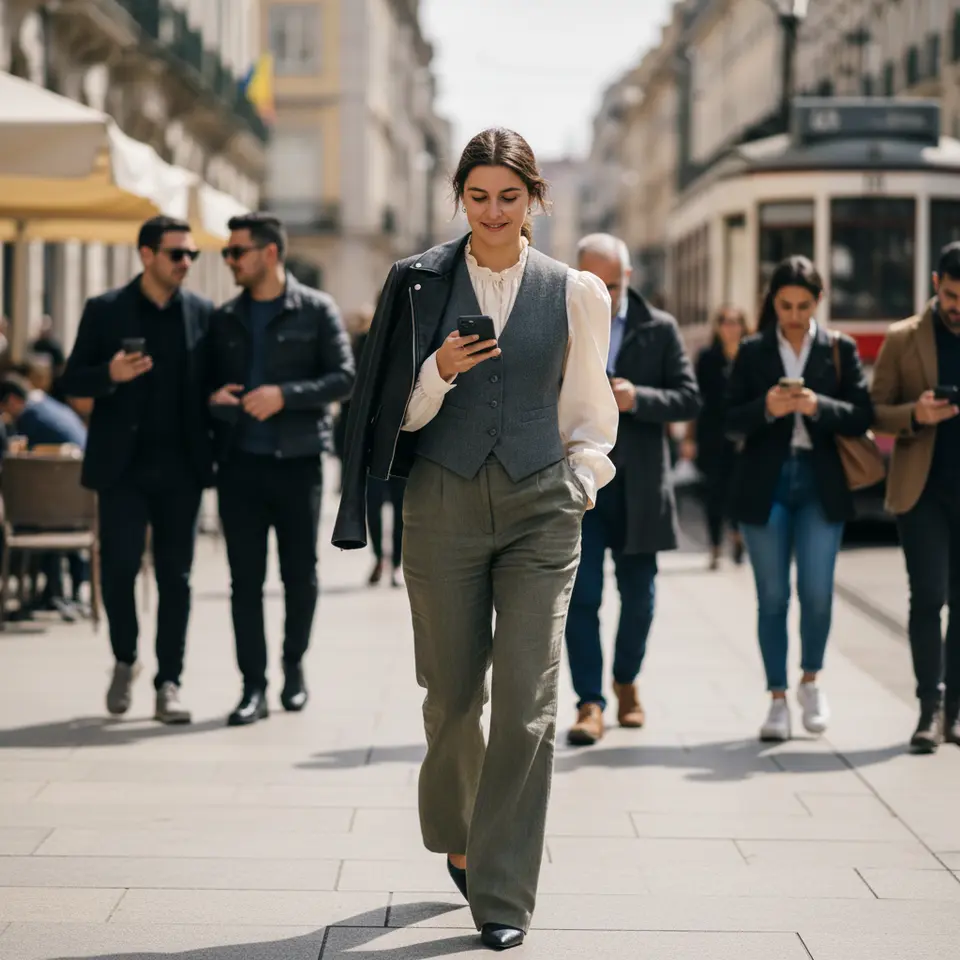
No matter how striking a trend may be, it only shines when it complements your routine. Consider how you spend most days: are you in a traditional office environment, working remotely, or constantly on the move? Reflect on the activities and dress codes that dominate your schedule. This practical audit ensures that runway-inspired pieces enhance your comfort and functionality rather than hinder it.
Curating Your Style Preferences
Develop a mood board filled with outfits that genuinely excite you—celebrity street style, editorial spreads, and influencer posts all count. As patterns emerge (e.g., you gravitate toward monochrome layering or vintage-inspired prints), you’ll gain clarity on which runway trends deserve adaptation. This visual strategy streamlines decision-making and keeps your wardrobe cohesive.
Budgeting for Trend Investments
Allocating funds thoughtfully allows you to invest in statement items that anchor your wardrobe. Choose one or two key runway-inspired pieces each season—perhaps a sculptural jacket or a pair of bold trousers. Supplement with more affordable trend-driven accessories. This approach creates a balanced mix of high and low spends, resulting in a curated closet that feels both luxurious and economically sensible.
Considering Climate and Comfort
Seasonality plays a pivotal role in how runway trends translate to street style. In colder months, look for oversized coats with insulating linings; in warmer weather, select breathable fabrics like linen or lightweight silks. Always prioritize comfort: if an experimental hemline or extreme tailoring feels restrictive, seek a subtler variation that celebrates the trend without compromising ease of movement.
Adapting Silhouettes and Shapes for Everyday Wear
Moderating Exaggerated Proportions
Runway designers often amplify proportions to make dramatic statements. To incorporate this into daily attire, begin with scaled-down versions. For instance, if you admire voluminous sleeves, opt for a blouse with slightly puffed shoulders rather than an oversized balloon sleeve. If ultra-wide trousers grab your attention, try a pair of trousers with a gentle flare and a high waist to elongate your silhouette.
Layering for Depth and Dimension
Layering can emulate runway impact while maintaining practicality. Combine a structured vest over a slender turtleneck, or wear a longline shirt beneath a cropped jacket. This technique injects visual intrigue and showcases multiple shapes in one outfit. Keep base layers streamlined to prevent bulk and ensure each piece retains its distinct silhouette.
Utilizing Tailoring Techniques
Tailoring is your secret weapon for adapting dramatic lines. Commission a skilled seamstress to adjust pieces to flatter your body. Shorten hemlines, nip in waistlines, or add darts for a custom fit. A runway-inspired blazer or coat becomes infinitely more wearable when it aligns with your unique measurements.
Combining Structure with Fluidity
Experiment by pairing architectural garments with flowing counterparts. Wear a sharply tailored blazer over a draped silk slip dress or match a rigid corset top with soft wide-leg trousers. This juxtaposition honors the runway’s bold shapes while delivering balance and comfort for everyday settings.
Infusing Color Palettes into Your Wardrobe
Embracing Trend Colors Incrementally
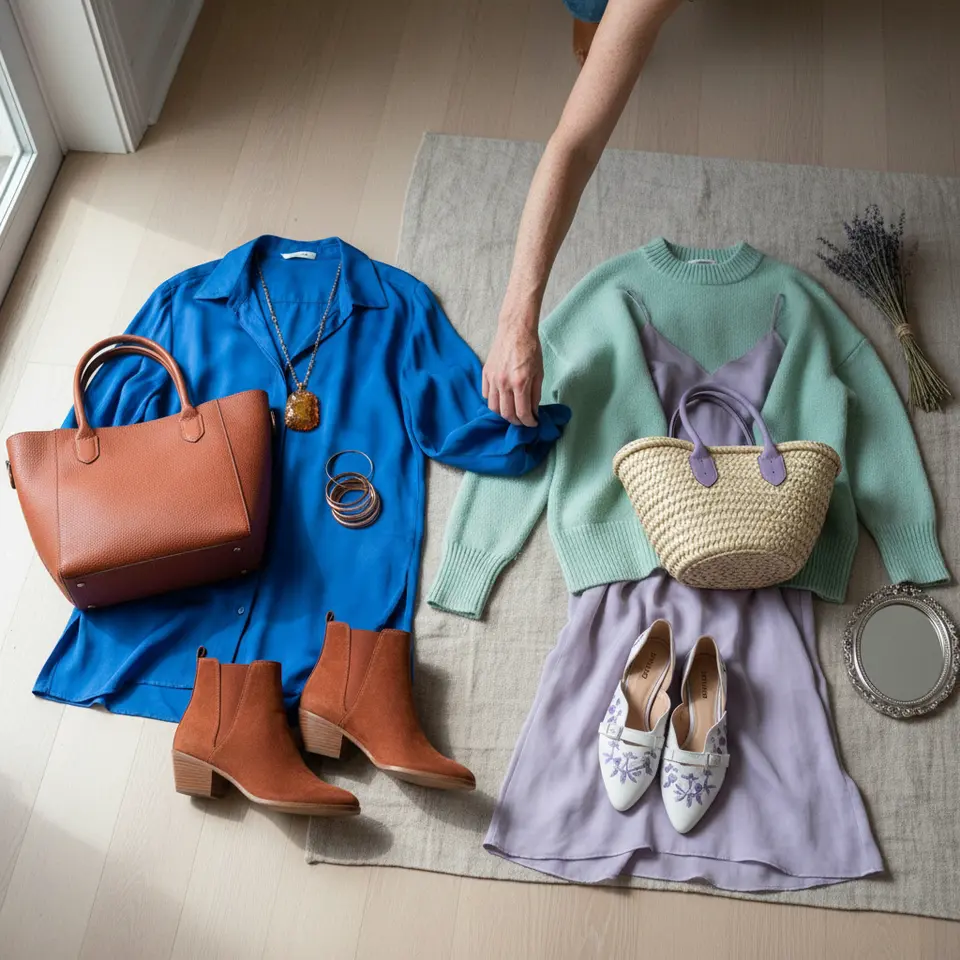
Color forecasts often predict season-specific hues—neon brights, muted earth tones, or pastel infusions. To test-drive a new color, start with small accents: a neon belt, an earth-toned crossbody bag, or pastel-hued sunglasses. As confidence grows, layer these shades into larger garments like dresses or tailored tops.
Maintaining Foundation Neutrals
A wardrobe anchored by classic neutrals—black, white, navy, or camel—serves as an ideal backdrop for bold runway colors. Pair a statement fuchsia blazer with black denim or integrate olive green loafers into a beige ensemble. This method ensures that vibrant hues pop without overwhelming your overall aesthetic.
Creating Harmonious Color Combinations
Consult color theory guidelines to blend runway palettes seamlessly. Complementary colors (opposites on the color wheel) create dynamic contrast, while analogous hues (neighbors on the wheel) offer a harmonious look. For example, team a cobalt blue blouse with rust-colored accessories or layer mint green and soft lavender for a subtly unexpected pairing.
Leveraging Digital Tools
Use online color palette generators and fashion apps to visualize combinations before purchasing. These resources help you experiment risk-free, ensuring each new shade aligns with your existing pieces. Visual planning accelerates outfit creation and keeps your wardrobe feeling fresh .
How Runway Trends Influence Everyday Fashion
Modern runway trends are no longer limited to luxury fashion shows or celebrity wardrobes. In today’s fashion landscape, designers create collections that inspire both high-end couture and practical everyday outfits. From oversized tailoring to minimalist layering and bold accessories, runway trends shape how people dress, shop, and express themselves across every season.
As fashion evolves, runway-inspired styling focuses heavily on individuality, sustainability, comfort, and creative self-expression. Understanding how to adapt these trends for daily wear allows you to create stylish outfits that feel modern without sacrificing practicality.
Why Runway Trends Matter in Modern Fashion
Runway trends influence everything from retail collections to street style culture. Designers introduce new silhouettes, fabrics, colors, and styling techniques that eventually become mainstream fashion staples.
Key benefits of following runway trends include:
- Discovering fresh outfit inspiration
- Experimenting with new colors and textures
- Updating your wardrobe creatively
- Building confidence through personal style
- Understanding future fashion movements
Rather than copying designer looks exactly, most people adapt runway trends into wearable combinations that suit their lifestyle and personality.
Popular Runway Trends
| Trend | Description | Everyday Styling Idea |
|---|---|---|
| Oversized Tailoring | Relaxed blazers and wide-leg pants | Pair oversized blazers with fitted basics |
| Futuristic Minimalism | Clean cuts and neutral palettes | Wear monochrome outfits with sleek accessories |
| ’70s Revival | Retro prints and flared silhouettes | Combine vintage-inspired denim with modern tops |
| Sustainable Fashion | Eco-friendly fabrics and timeless designs | Choose recycled materials and capsule pieces |
| Statement Accessories | Sculptural bags and bold jewelry | Use one standout accessory per outfit |
Smart Ways to Wear Runway Trends Daily
Start with Small Statement Pieces
Instead of transforming your entire wardrobe, begin with one runway-inspired item such as a structured blazer, metallic bag, or bold sunglasses.
Balance Trendy and Classic Pieces
Pair fashion-forward garments with timeless basics like neutral denim, plain t-shirts, or minimalist footwear to keep outfits balanced and wearable.
Prioritize Comfort and Functionality
Not every runway look is practical for daily life. Choose softer, more comfortable variations of dramatic silhouettes to maintain both style and mobility.
Experiment with Layering
Layering different textures, lengths, and shapes creates depth and adds a runway-inspired feel to simple outfits without appearing excessive.
Essential Elements Behind Runway Trends
| Fashion Element | Impact on Style |
|---|---|
| Color Palettes | Sets the mood and seasonal aesthetic |
| Silhouettes | Defines structure and body proportions |
| Fabrics and Textures | Adds depth and visual interest |
| Accessories | Creates statement-focused styling |
| Tailoring | Improves overall fit and sophistication |
Common Styling Mistakes to Avoid
| Mistake | Better Alternative |
|---|---|
| Wearing too many trends at once | Focus on one statement trend |
| Ignoring body proportions | Choose silhouettes that flatter your shape |
| Over-accessorizing | Use one or two bold accessories |
| Prioritizing trends over comfort | Adapt trends to suit your lifestyle |
| Copying runway looks exactly | Personalize trends for authenticity |
Building a Personalized Runway-Inspired Wardrobe
The best way to embrace runway trends is by adapting them to reflect your personality instead of following fashion rules rigidly. A well-balanced wardrobe combines trend-driven pieces with timeless staples, allowing you to stay stylish while maintaining versatility.
Fashion trends will continue evolving, but confidence and individuality remain timeless. By understanding silhouettes, textures, colors, and layering techniques, you can transform runway inspiration into wearable outfits that feel modern, expressive, and uniquely your own.
Enhancing Looks with Textures, Fabrics, and Accessories
Mixing Contrasting Textures
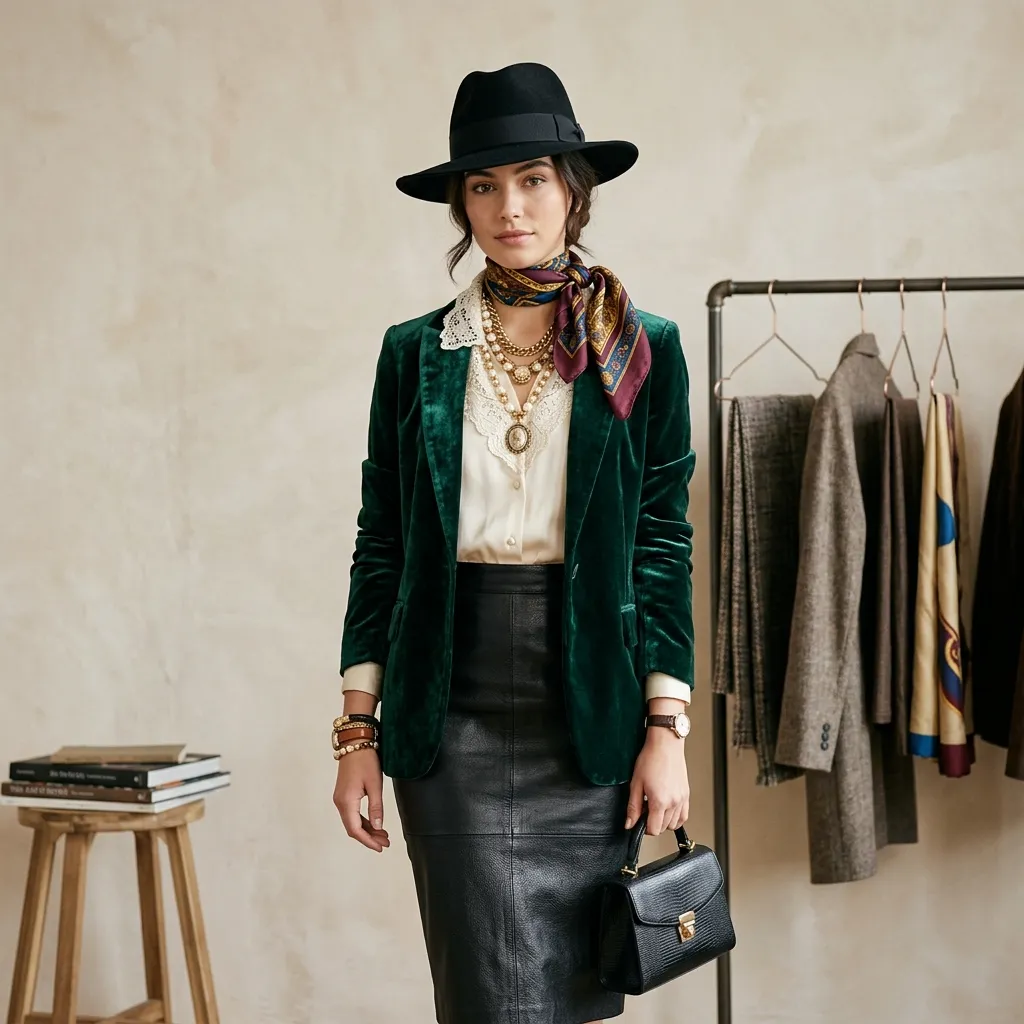
Texture interplay elevates even the simplest outfits. Pair a chunky knit sweater with a sleek satin skirt or combine metallic lamé accessories with matte cotton separates. The tactile diversity brings runway-level depth to everyday ensembles. When sourcing materials, explore eco-friendly options highlighted by research institutions or government guidelines like those on EPA.gov. This ensures your sartorial decisions support sustainable practice.
Selecting Statement Accessories
Accessories are your runway shorthand. Oversized chain necklaces, angular sunglasses, and sculptural belts can instantly shift an outfit’s vibe. Limit yourself to one or two impactful pieces to avoid clutter. For instance, a bold collar necklace with minimalist attire or a geometric clutch paired with monochrome separates makes a precise style statement.
Balancing High-Quality and Budget Finds
Invest in lasting staples—structured blazers, premium denim, and versatile footwear—then integrate trend-driven accessories or budget-friendly pieces. Mix designer bags or shoes with high-street garments to achieve a curated, editorial look that remains financially sustainable.
Personalizing Through Custom Details
Custom tailoring, monogramming, or adding ornamental patches allows you to inject personal flair. Even simple modifications—replacing buttons on a coat or adding lace trims to a blouse—can transform basic items into signature pieces that echo runway innovation.
Frequently Asked Questions About Runway Trends
How can I incorporate bold runway silhouettes into a professional setting?
Start by scaling down dramatic runway shapes into wearable office pieces, such as fitted blazers with structured shoulders instead of oversized couture styles. Pair statement garments with tailored basics like straight trousers or pencil skirts to maintain balance. Keep colors neutral or muted to ensure the overall look stays professional and polished.
What are budget-friendly ways to experiment with trend colors?
Begin with affordable accessories like bags, scarves, or shoes in trending seasonal colors. Thrift stores and budget-friendly fashion retailers are great for testing bold shades without commitment. Once you feel confident, gradually introduce color through larger wardrobe pieces.
How do I balance statement accessories without looking overdone?
Stick to one or two focal accessories per outfit, such as bold earrings or a sculptural belt. Keep clothing simple and neutral so the accessories stand out effectively. Avoid layering multiple statement pieces that compete for attention.
How important is sustainability when choosing runway-inspired pieces?
Sustainability is becoming a major part of modern fashion decisions and long-term wardrobe building. Choosing eco-friendly fabrics and ethical brands helps reduce environmental impact. Secondhand and vintage shopping also allows you to stay stylish while being conscious.
How can I build a versatile wardrobe inspired by runway trends?
Focus on timeless base pieces like tailored pants, neutral tops, and structured jackets. Add trend-driven items sparingly so they can be rotated across multiple outfits. This approach ensures your wardrobe stays stylish without becoming outdated quickly.
What fabrics work best for a polished yet modern look?
Natural fabrics like cotton, wool, silk, and linen often create a refined and breathable finish. Blended materials can add durability while maintaining a sleek appearance. Choosing quality fabric over quantity always elevates your overall style.
How can I make casual outfits look more high-fashion?
Upgrade basics with sharp tailoring, clean lines, and intentional layering. Swap everyday sneakers or flats for structured footwear or minimal statement shoes. Even small adjustments like tucking in shirts or adding a belt can elevate the look.
How do I adapt runway trends for different body types?
Focus on silhouettes that highlight your natural proportions rather than copying trends exactly. For example, balance oversized tops with fitted bottoms or vice versa. The goal is adaptation, not replication, to maintain both comfort and style.
What role do accessories play in modern fashion styling?
Accessories are often the easiest way to introduce trends without changing your entire outfit. They can define the tone of a look—minimal, bold, elegant, or experimental. Strategic use of accessories helps personalize even simple outfits.
How can I transition outfits from day to night easily?
Start with a neutral base outfit that works in both casual and formal settings. Switch accessories like bags, jewelry, or shoes to instantly change the mood. Adding a bold lip color or structured jacket can also transform the look quickly.
Conclusion
Bringing runway trends into your daily wardrobe is both an art and a science. By dissecting the core elements—narrative, silhouette, color, texture, and accessories—you unlock a world of styling possibilities. Align these components with your lifestyle, body shape, and comfort requirements to ensure each look feels authentic. Embrace incremental experimentation, mixing statement pieces with foundational neutrals, and prioritize sustainable choices in line with reputable guidelines.
Ultimately, confidence is the most essential accessory. Let the runway serve as your creative muse rather than a rigid blueprint. With these strategies, every stroll, meeting, and outing becomes an opportunity to showcase your evolved, runway-inspired persona—proof that high fashion and everyday wear can harmoniously coexist.
