


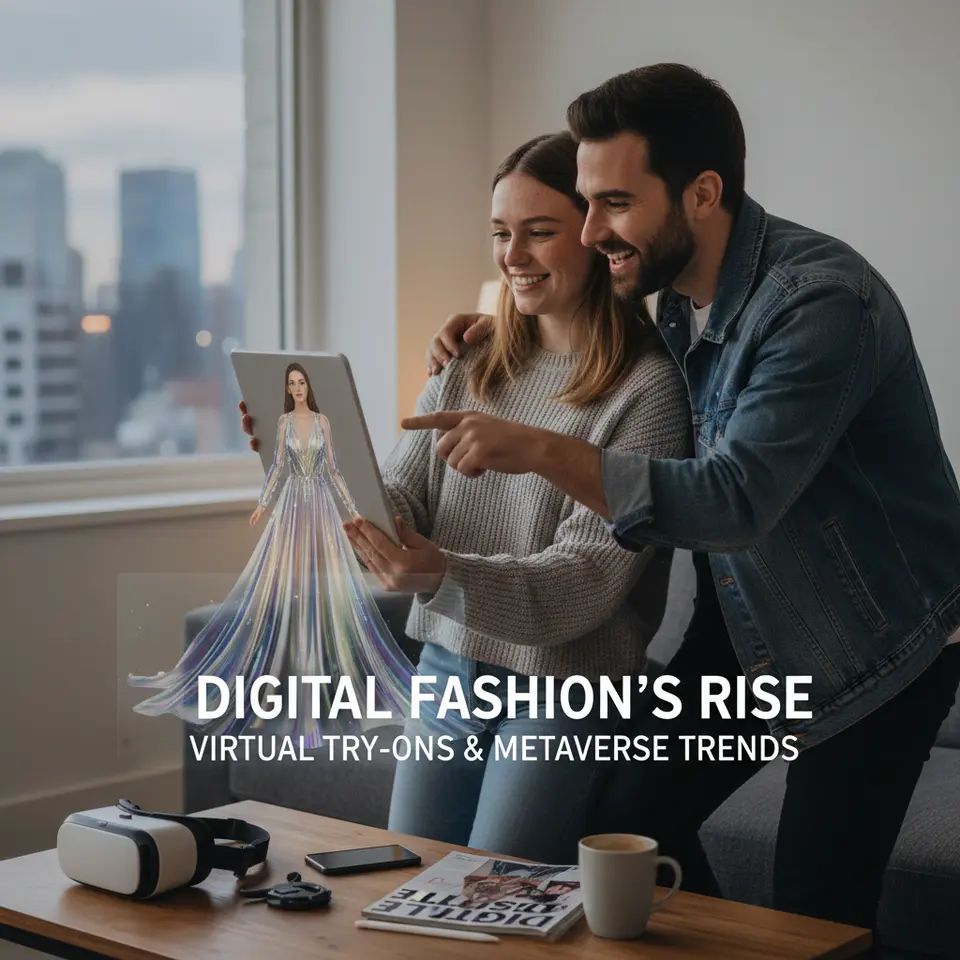
In today’s digital landscape, digital fashion has emerged as a transformative force that redefines how individuals discover, interact with, and purchase apparel. Fueled by rapid advances in 3D modeling, artificial intelligence, and augmented reality, this innovative approach allows garments to exist solely on screens, enabling consumers to experiment with looks via smartphones, desktops, and immersive headsets. As online retail accelerates, virtual try-on experiences, smart mirrors, and AR filters are bridging the gap between e-commerce convenience and in-store confidence.
Currently, digital fashion extends beyond mere visualization. Blockchain-secured non-fungible tokens (NFTs) authenticate ownership and scarcity of virtual wearables, while metaverse platforms host global runway events for avatars. These initiatives spawn new revenue streams, bolster sustainability by minimizing physical sampling, and foster community-driven engagement. This year (2026), brands of all sizes are pivoting to digital wardrobes and interactive showrooms, reflecting a broader shift toward experiential retail and personalized style journeys.
From heritage luxury houses to emerging independent labels, stakeholders recognize that digital fashion is not a passing fad but a core pillar of future growth. By embracing virtual storefronts, digital wardrobes, and interactive platforms, companies can connect with audiences across borders in real time. Over the following sections, we examine the foundational concepts behind digital fashion, survey its most impactful innovations, and offer actionable insights for brands poised to join the virtual style revolution.
Defining Digital Fashion in Today’s Digital Landscape
Digital fashion encompasses garments, accessories, and couture that exist purely in virtual form. Unlike traditional clothing, which relies on physical fabrics and manufacturing, these items are crafted using digital design software and experienced through screens or immersive environments. At its core, digital fashion leverages:
3D Modeling and Rendering
Advanced 3D tools enable designers to sculpt fabrics, textures, and silhouettes with photorealistic precision. Programs such as Clo3D, Marvelous Designer, and Blender allow for dynamic draping, pattern simulation, and color variation without producing a single physical sample.
Artificial Intelligence–Driven Design
Machine learning algorithms analyze trends, consumer preferences, and historic style data to generate novel patterns, prints, and silhouettes. By automating repetitive tasks, AI accelerates creative exploration and helps brands respond swiftly to emerging tastes.
Augmented and Virtual Reality Platforms
AR and VR technologies provide immersive interfaces for consumers to engage with digital wearables. Whether through mobile apps or dedicated headsets, users can view, rotate, and animate garments in real time, experiencing realistic lighting and fit simulations.
One key advantage of digital fashion lies in its flexibility. Designers can iterate rapidly, experimenting with bold textures and unconventional materials without production constraints. Furthermore, virtual collections can be distributed globally via downloads or in-app purchases, reducing logistical overhead and environmental impact. As digital fashion becomes woven into omnichannel strategies, it empowers brands to deliver tailored style experiences that resonate with today’s tech-savvy consumers.
Virtual Try-Ons: Bridging Online and In-Store Experiences
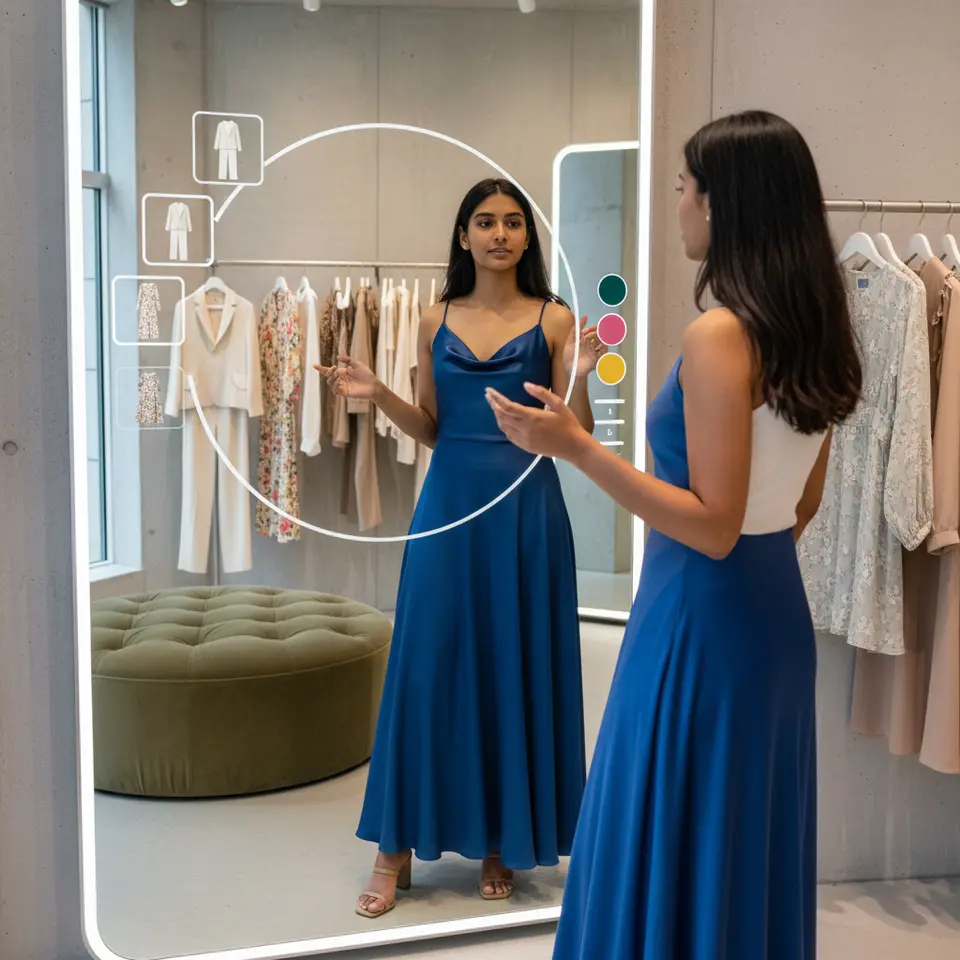
Virtual try-on solutions marry the convenience of online shopping with the experiential assurance of physical fitting rooms. By overlaying digital garments onto live camera feeds, these tools help customers visualize fit, scale, and style before committing to a purchase.
AR Filters and Mobile Applications
Social media platforms like Instagram and Snapchat have popularized AR filters that let users “wear” digital outfits, eyewear, and makeup in real time. Brands integrate shopping links directly into these filters for seamless transitions from exploration to checkout, reducing friction in the buyer journey.
3D Body-Scanning Technologies
Retailers are adopting 3D scanning kiosks and smartphone-based scanning apps to capture precise body measurements. Shoppers can create personalized digital avatars, ensuring that virtual garments conform accurately to individual shapes. This level of customization enhances confidence in online orders and drives down return rates.
Smart Mirrors and In-Store AR Displays
Physical boutiques are installing interactive mirrors equipped with AR overlays. Customers step into changing areas and toggle through styles, colors, and sizes without trying on multiple physical items. These smart installations merge tactile feedback with digital versatility.
By offering virtual try-ons across devices—mobile, desktop, and in-store hardware—brands can engage diverse audiences and accommodate varying comfort levels. Data collected from these interactions also informs inventory planning and design optimization, creating a feedback loop that refines collections in real time.
Blockchain-Enabled Fashion and NFTs
Non-fungible tokens (NFTs) are reshaping value exchange in digital fashion. Each NFT represents a unique digital asset secured on a blockchain ledger, guaranteeing its provenance and authenticity. This technology unlocks innovative business models and collector cultures within the style ecosystem.
Verifiable Ownership and Scarcity
Blockchain’s immutable records ensure that every digital garment has a transparent creation history. Consumers can verify the designer, issuance date, and edition size, minimizing counterfeits and reinforcing brand integrity.
Exclusive Drops and Community Building
Brands release limited-edition NFT fashion collections via timed drops, generating excitement akin to high-demand sneaker releases. Early adopters gain access to rare wearables, forums, and special events, fostering loyal communities and peer-to-peer trading.
Interoperability Across Virtual Worlds
Certain NFTs are engineered to function in multiple metaverse environments. Owners can dress avatars in Decentraland, Roblox, or other virtual realms, extending the utility and lifespan of each digital item. This cross-platform compatibility amplifies exposure and value.
For designers, NFTs create direct-to-consumer channels that bypass traditional intermediaries. Royalty mechanisms embedded in smart contracts allow creators to earn commissions on every secondary sale, promoting sustainable revenue and incentivizing ongoing engagement.
The Rise of Metaverse Fashion Events

Metaverse platforms are hosting avant-garde fashion shows, where avatars gather in virtual venues to experience runway spectacles. These events blend gaming, entertainment, and retail into cohesive experiences that transcend geographic boundaries.
Immersive 3D Runways
Designers partner with game engines and digital artists to craft dynamic environments—floating catwalks, interactive landscapes, and reactive visuals that respond to real-time user interactions. Attendees can switch camera angles, zoom in on details, and even purchase looks without leaving the show.
Avatar Customization and Social Features
Participants design their avatars with custom outfits, expressions, and accessories. Chat functions, emoji reactions, and shared photo modes transform passive viewing into a communal event, strengthening brand affinity and word-of-mouth promotion.
Collaborations with Tech and Art Communities
Fashion houses are teaming up with gaming studios, digital art collectives, and music artists to co-create multisensory experiences. Live soundtracks, virtual after-parties, and interactive NFTs enhance engagement and blur the lines between sectors.
By hosting metaverse fashion events, brands can reach audiences that might never attend physical shows, democratizing access to top-tier designers and fostering global cultural exchange. The scalability of digital venues also slashes logistical costs and carbon footprints associated with traditional runways.
Advantages and Obstacles of Digital Fashion
As digital fashion gains traction, brands must weigh its benefits against inherent challenges to build sustainable, scalable strategies.
Key Benefits
- Sustainability Gains: Virtual sampling and digital prototypes reduce fabric waste and unsold inventory, aligning with eco-initiatives promoted by organizations such as the United Nations (https://www.un.org/en/climatechange).
- Global Accessibility: Anyone with an internet connection can explore virtual collections, broadening market reach beyond traditional geographies.
- Enhanced Engagement: Interactive try-ons, AR filters, and metaverse events foster deeper emotional connections and personalized experiences.
- Innovative Revenue Streams: NFT drops, in-app purchases of digital wearables, and virtual event tickets open new profit channels.
Primary Challenges
- Technical Investment: High-fidelity 3D modeling, AR integration, and blockchain development require specialized talent and substantial budgets.
- Consumer Adoption Curve: While younger demographics embrace virtual style, some shoppers still favor tangible fabrics and in-person fitting rooms.
- Platform Fragmentation: Multiple metaverse ecosystems lack unified standards, hindering seamless interoperability of digital garments.
- Energy Consumption: Blockchain transactions can be energy intensive, though greener protocols and offsets promoted by agencies like the U.S. Environmental Protection Agency (https://www.epa.gov) are emerging.
Actionable Tips for Brands
- Collaborate with Experts: Partner with AR/VR developers, 3D artists, and blockchain consultants to craft tailored solutions.
- Pilot Virtual Try-Ons: Deploy a basic AR filter or website widget to gauge user interest and collect feedback.
- Launch a Limited NFT Capsule: Test demand with a small, exclusive drop and reward early adopters.
- Host a Mini Metaverse Showcase: Organize an intimate virtual runway or pop-up event, inviting influencers and loyal customers.
- Iterate with Data: Use analytics, user surveys, and social metrics to refine digital offerings and expand over time.
FAQ
- What is digital fashion?
- Digital fashion refers to garments and accessories that exist purely in virtual form, crafted using 3D design software and experienced through screens or immersive environments without physical production.
- How do virtual try-ons enhance the shopping experience?
- Virtual try-ons use AR filters, 3D body scanning, and smart mirrors to overlay digital garments on users in real time, helping them visualize fit and style before purchasing.
- What role do NFTs play in digital fashion?
- NFTs authenticate unique digital wearables on a blockchain, ensuring verifiable ownership, enabling scarcity-based drops, and allowing creators to earn royalties on secondary sales.
- How can brands start with digital fashion initiatives?
- Brands can pilot AR filters, collaborate with 3D and blockchain experts, launch small NFT drops, and host mini metaverse events to gauge interest and refine strategies.
Conclusion
In today’s digital landscape, digital fashion is far more than a novelty—it represents a strategic evolution toward sustainable sampling, personalized experiences, and boundary-less creativity. From virtual try-ons that boost consumer confidence to blockchain-enabled NFTs that cement authenticity, and metaverse runways that unite global audiences, the possibilities are vast. By carefully balancing technological investments with consumer education and adopting green practices, brands can harness the full potential of digital fashion.
This year (2026), momentum behind virtual wardrobes and immersive style events shows no sign of slowing. Whether you’re an established label or an emerging designer, now is the time to explore digital channels, experiment with interactive tools, and build communities in virtual realms. Embrace the digital fashion revolution today to secure your brand’s place on tomorrow’s global runway.
